

Autumn's child
A baby tree
“children are born with strong spiritual power, and they have an inexhaustible curiosity and desire to explore around the world. Education should adapt to this nature and guide them to learn and grow in practice.” through their personal involvement in planting, children are able not only to be close to nature, but also to learn in practice, to feel the beauty of life and the joy of growing up, for which they have embarked on a wonderful planting journey。

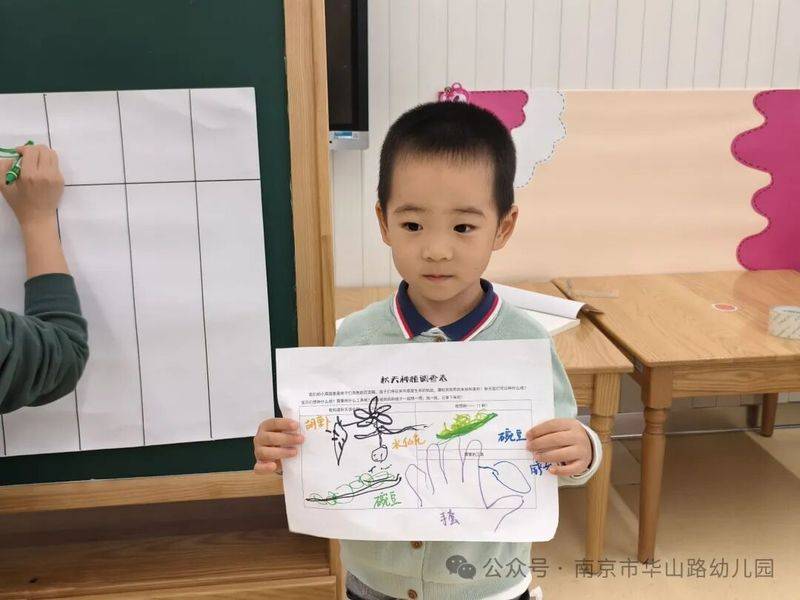
Questionnaire sharing: world of primary cultivation
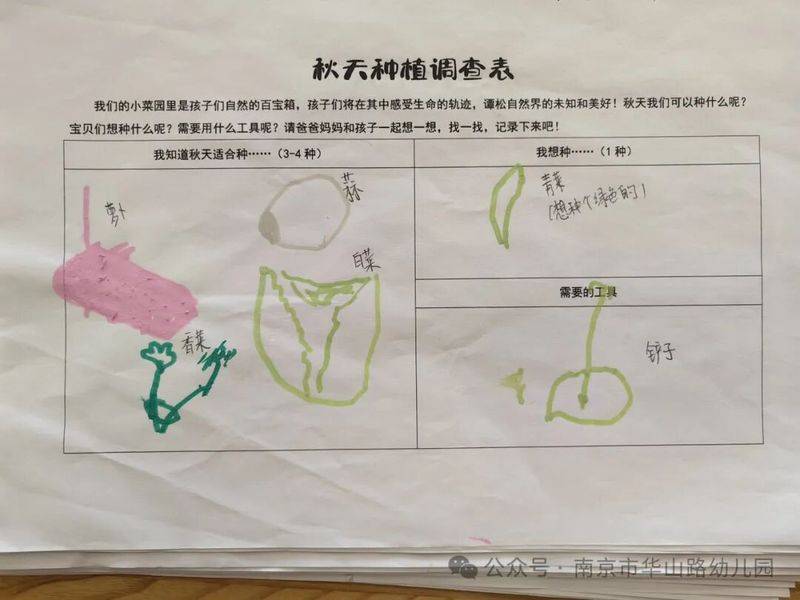
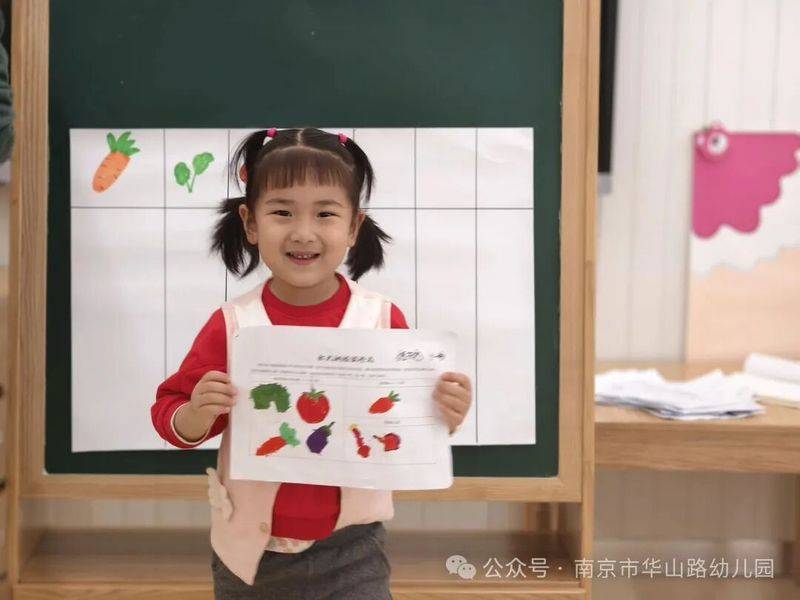
At the beginning of the campaign, we sent a questionnaire to our young friends on “autumn growing” to encourage them to search for information with the help of their parents and to draw or post the vegetables they found suitable for the autumn planting and the vegetables i want to grow. The feedback from the children is colourful, and some like red tomato because it tastes sour and some prefer green oil because mom always says it's nutritious. The survey not only gives us an idea of where the children are interested, but also provides a basis for subsequent planting options。
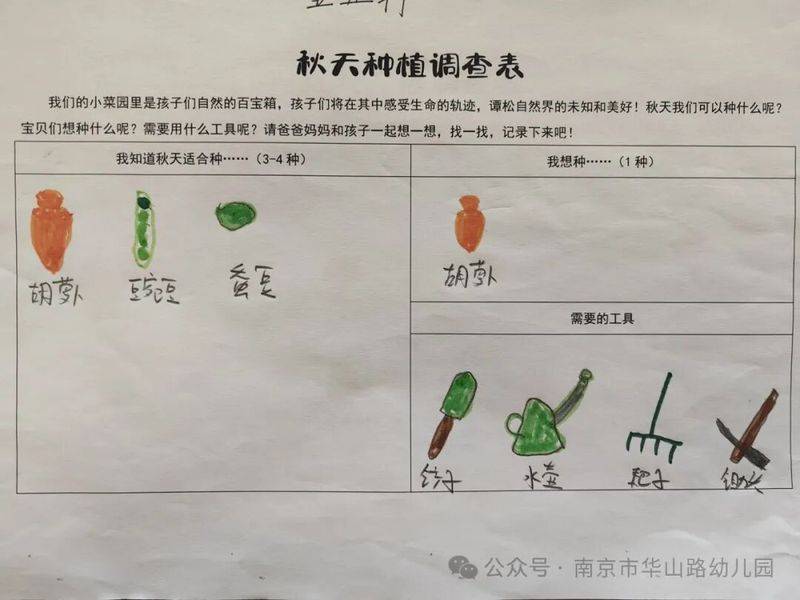
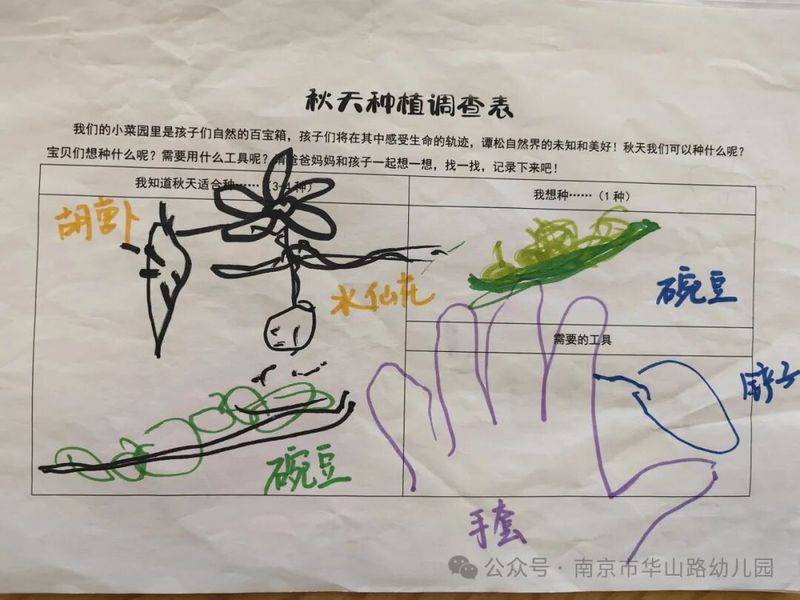
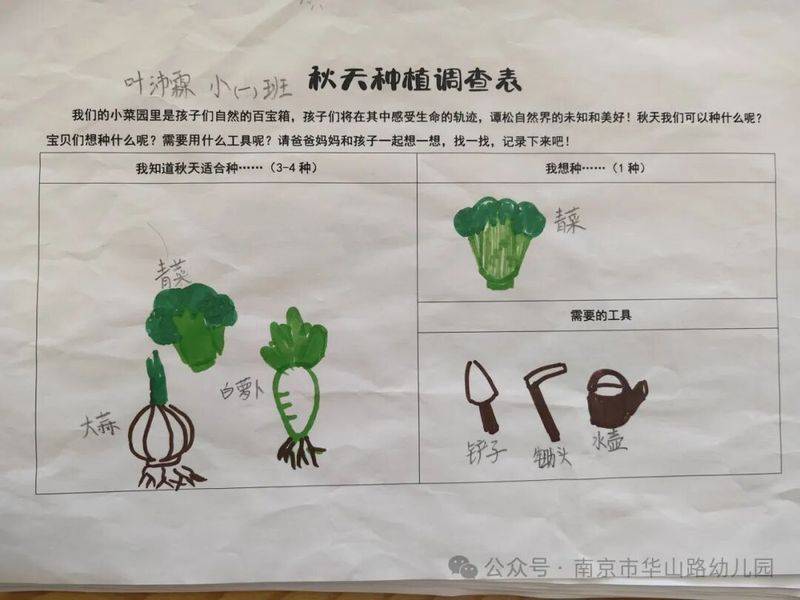
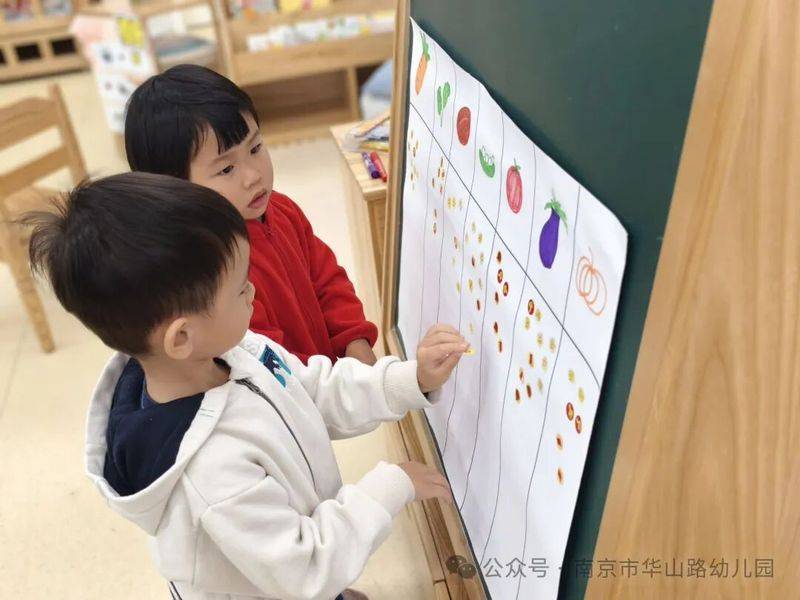
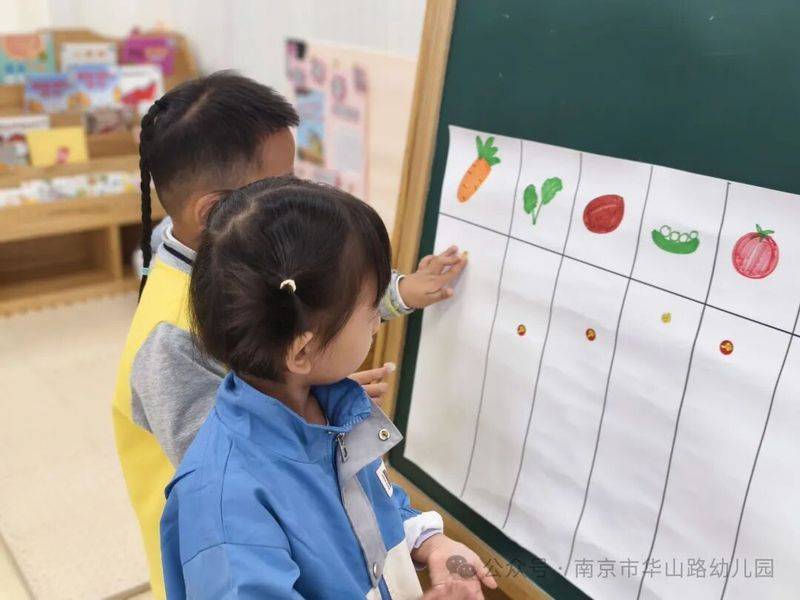
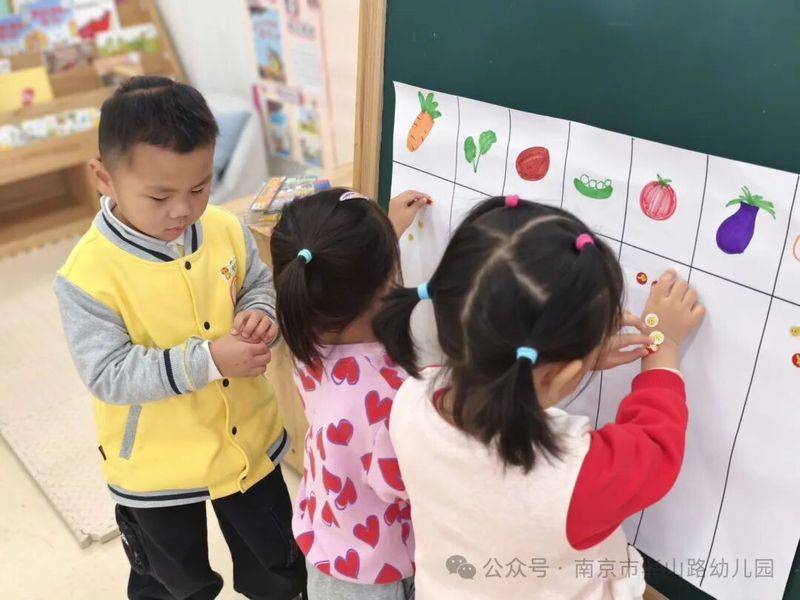
Vote for vegetables grown
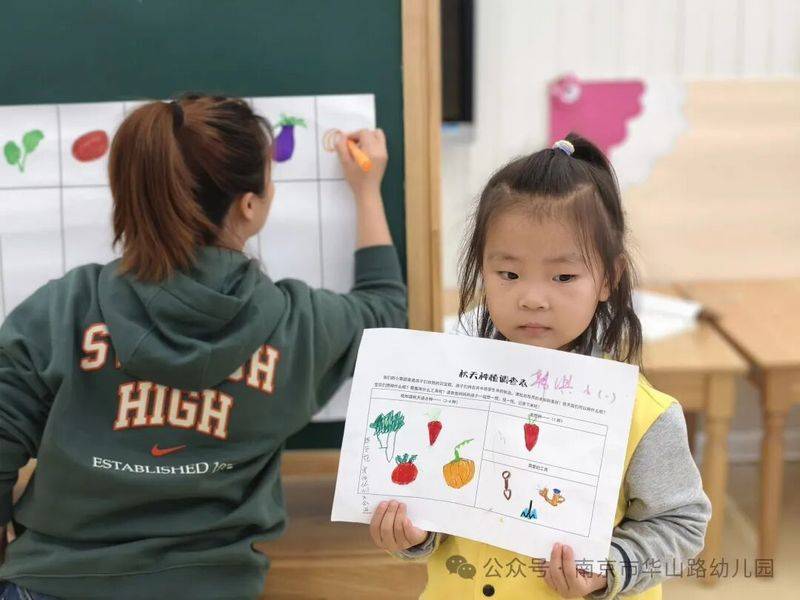
On the basis of the results of the survey, we conducted a voting exercise to determine the final planting of vegetables by voting. During the voting, the children were excited to discuss and hope that their favorite vegetables would be chosen. Finally, there was an intense and exciting vote line: carrots, potatoes, eggplants, cabbage and peas, which became the highest number of vegetables。
Start planting: sowing hope
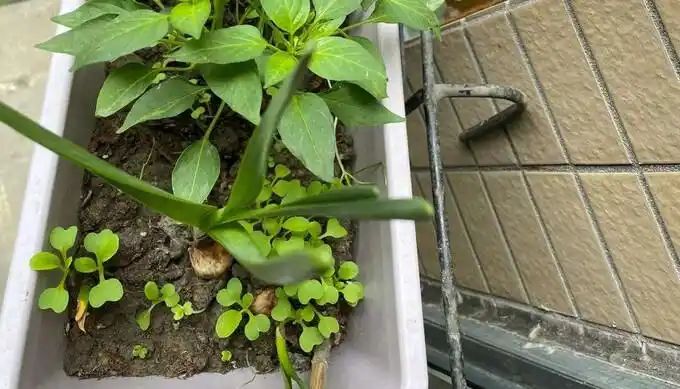
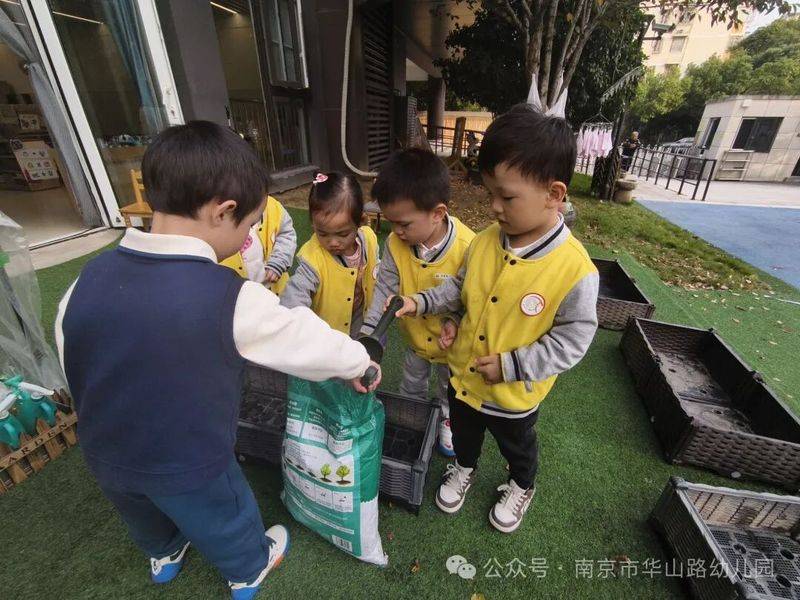
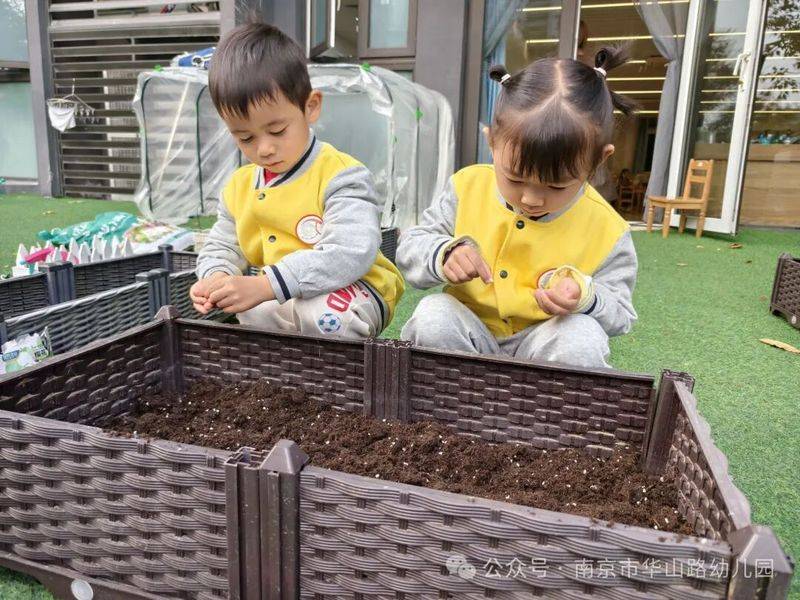
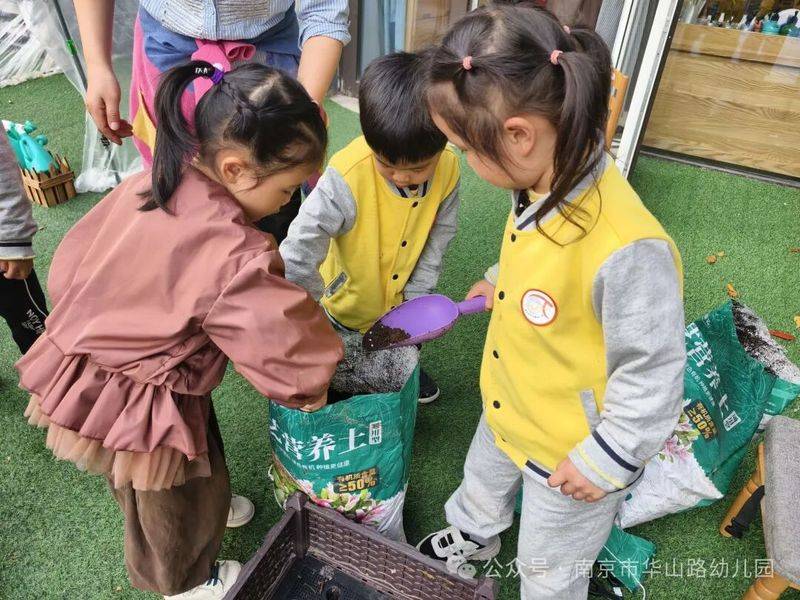
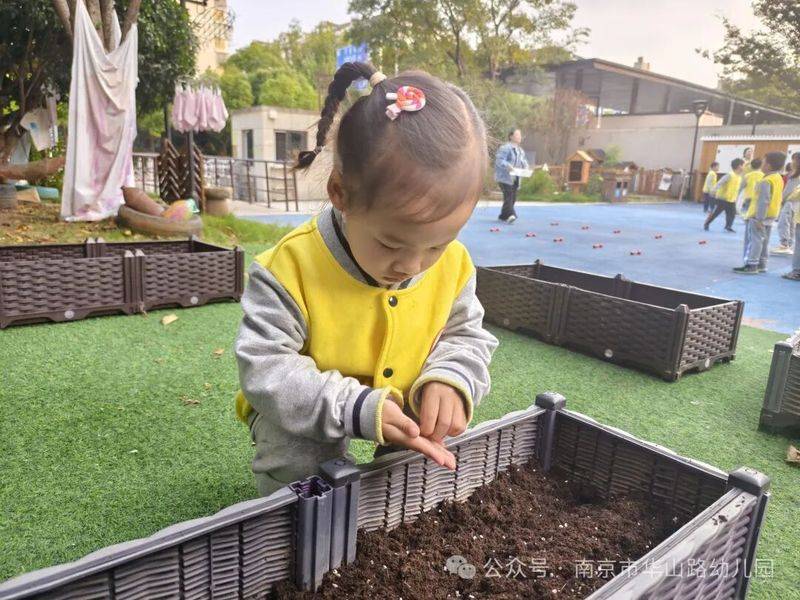
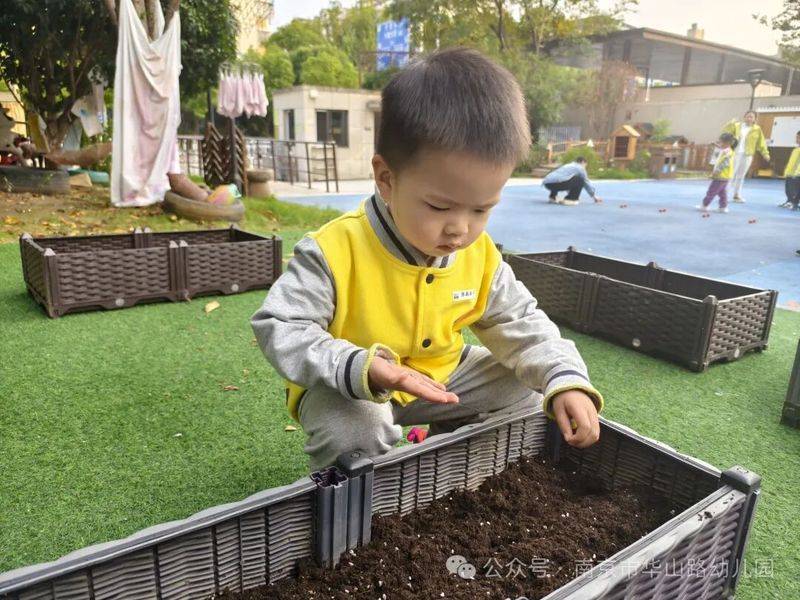
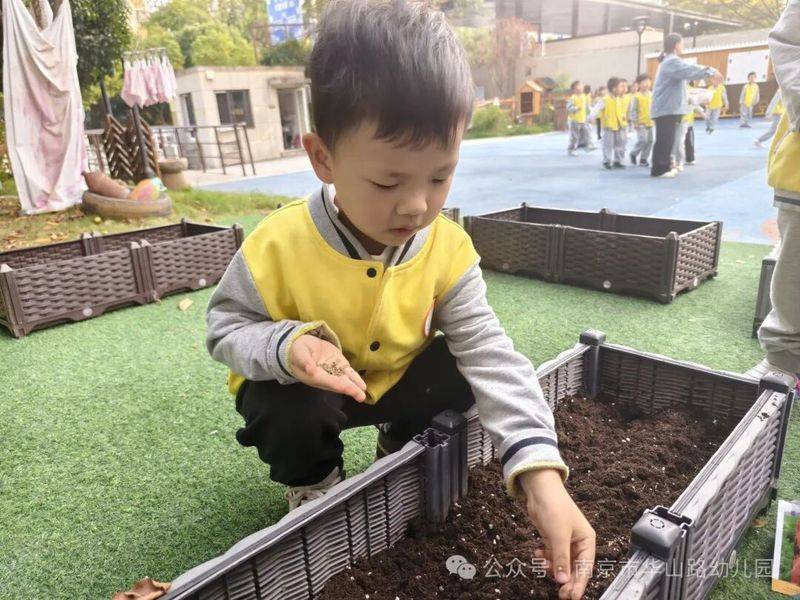
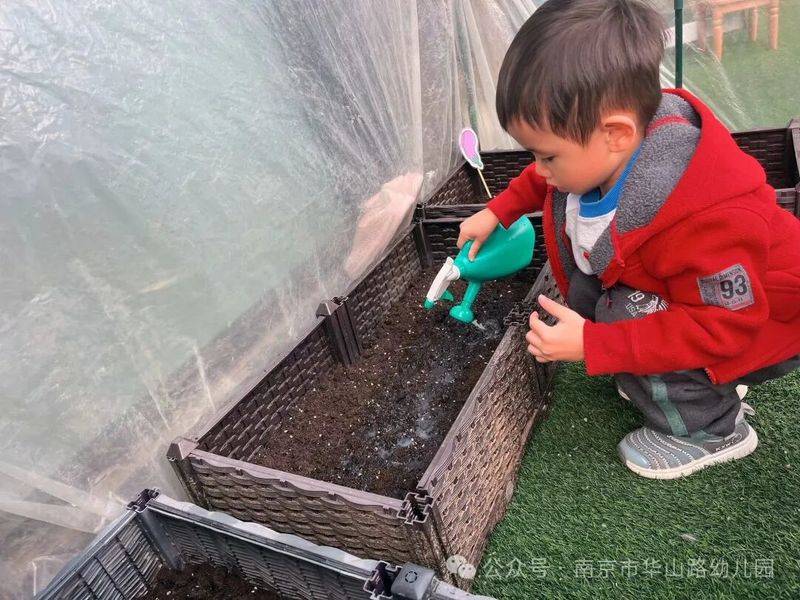
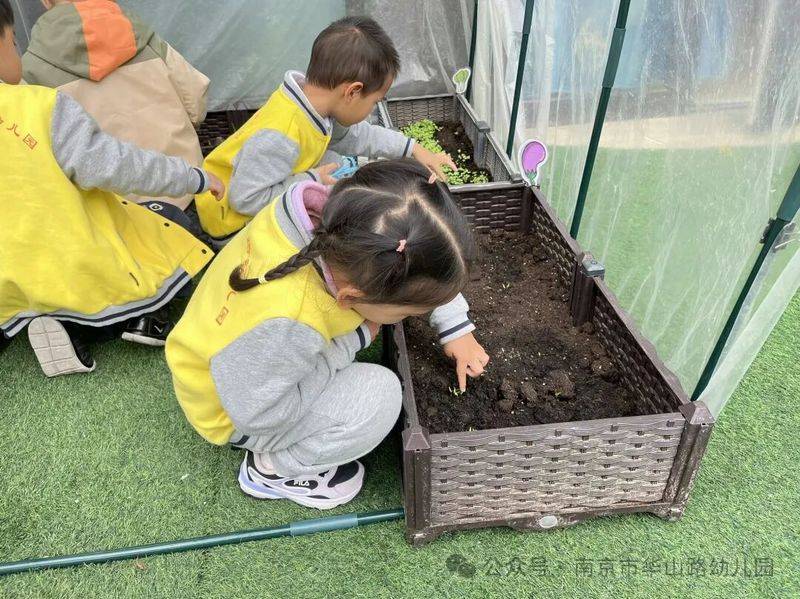
Then, in the afternoon of the next day, we came to the planting area outside the class with collected seeds. First, the teacher demonstrated the right way to dump, dig, sow and water. The children then turn around and try carefully to bury each seed in the soil as if it were sowing a little hope. At that moment, their faces were filled with anticipation and joy。
Watching vegetable change: witnessing the miracle of life
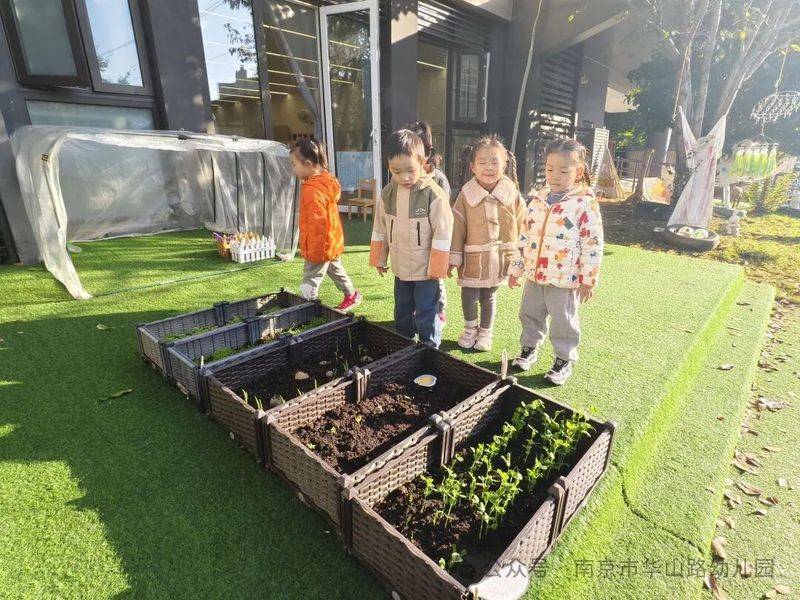
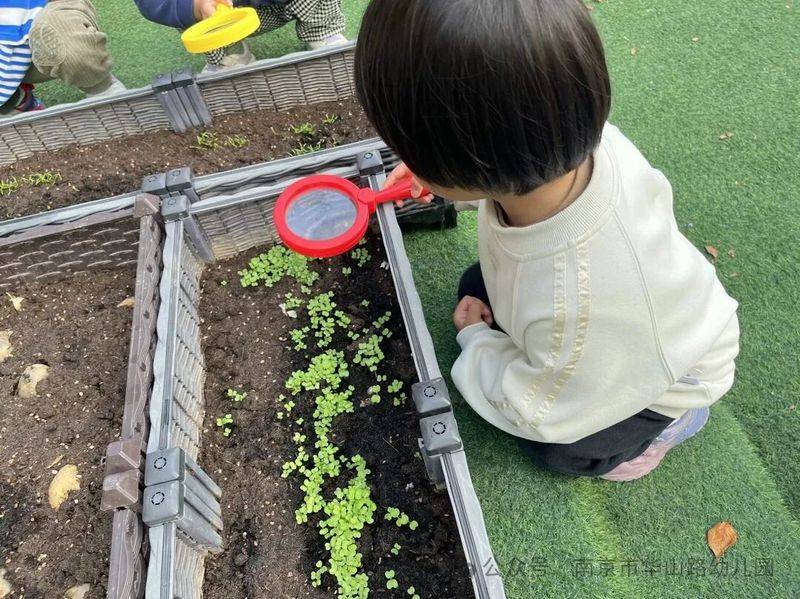
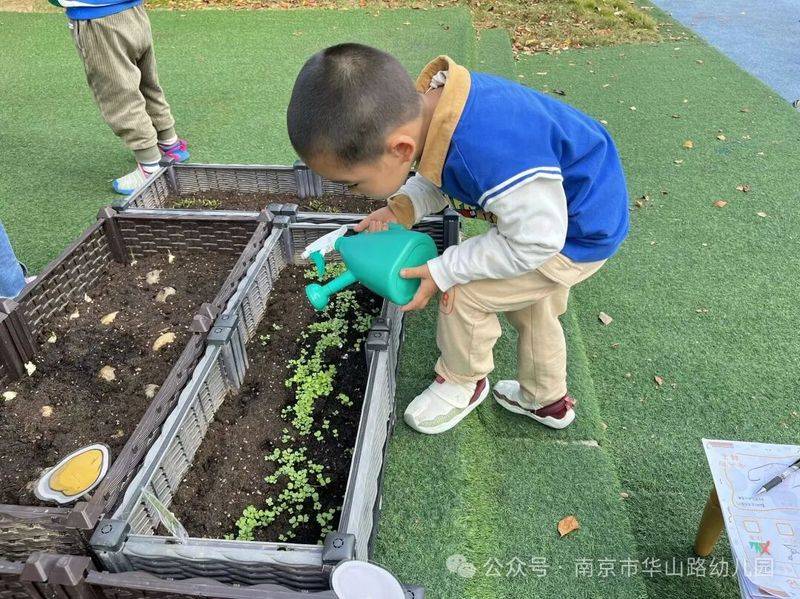
The guide states that young children should “like to touch nature and be interested in many things and phenomena around them”. After planting, day-to-day observations become the thing the children expect most. At first, under the direction of their teachers, they observed the growth of vegetables, recorded soil moisture, weather changes and changes in vegetables, and, slowly, they looked at the vegetables they had grown, either intentionally or inadvertently. Through observation, the children have witnessed the full process of seed breaking out of the ground and growing incubation, and have felt the great power of life and nature。
Recording changes in vegetables: leaving a trail of growth
To better document the growth trajectory of vegetables, we provide magnifying mirrors, log sheets, etc., and encourage children to record every observation in a drawing. Some drew the first leaf and others, “today the peas are growing a little higher”. These childish brushes are precious memories of children growing up。
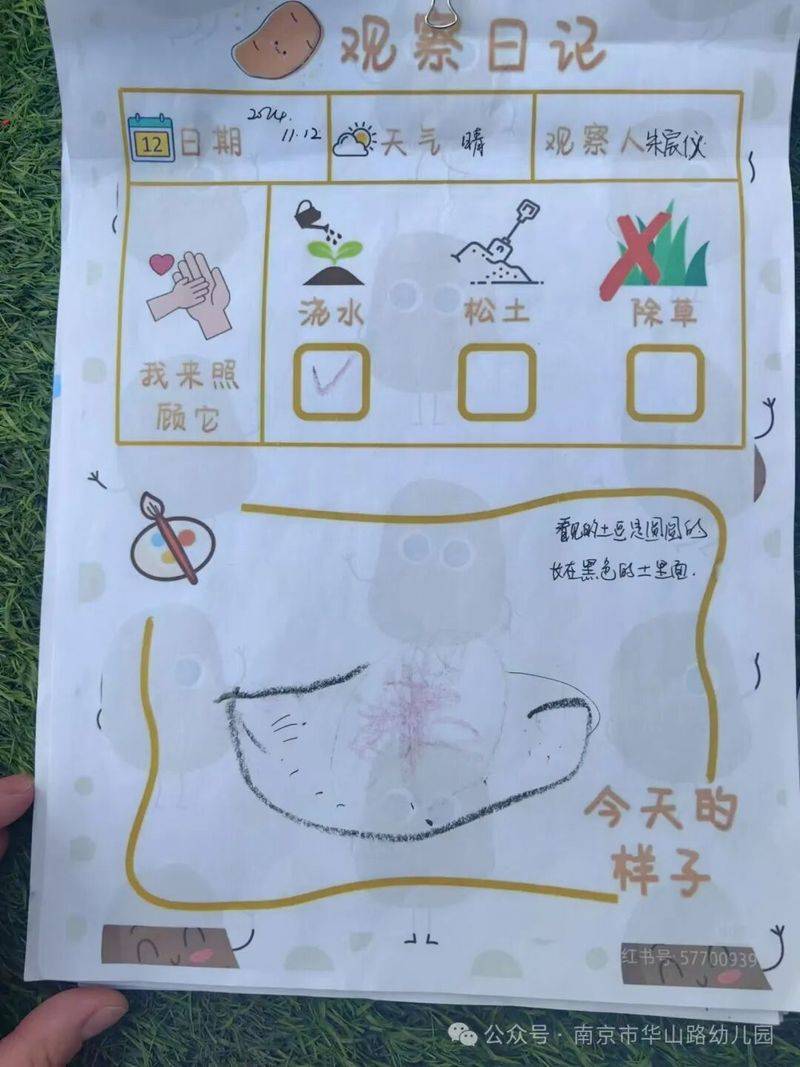
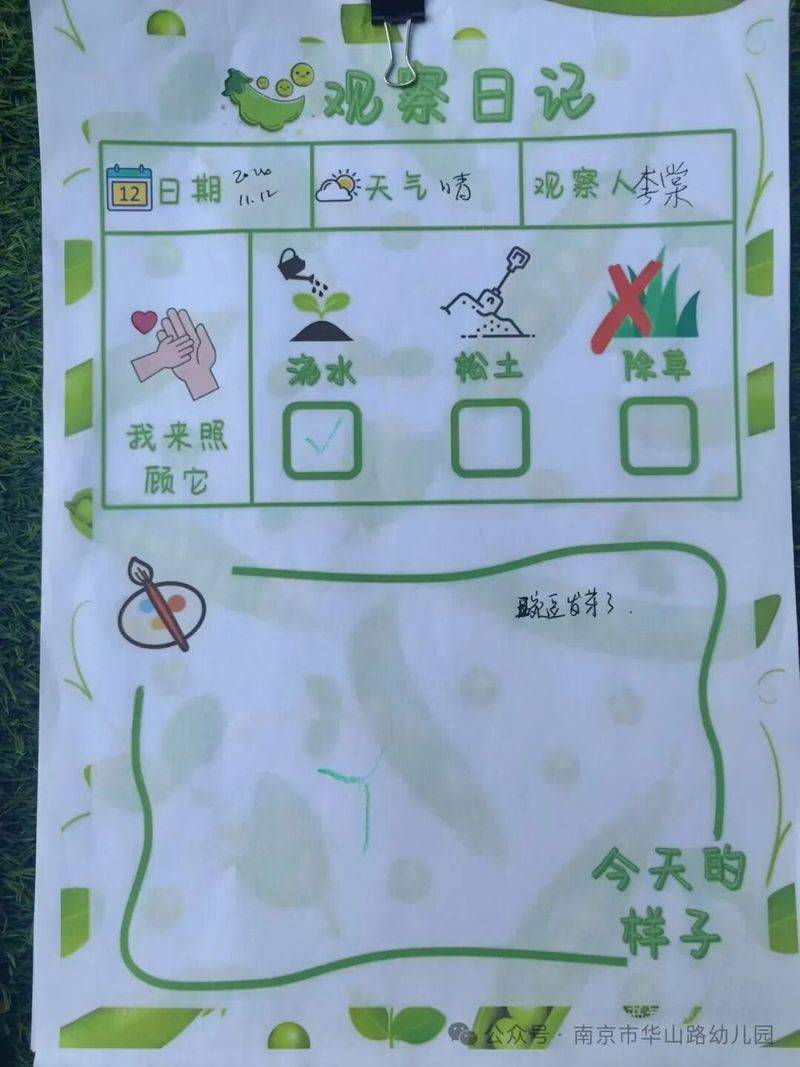
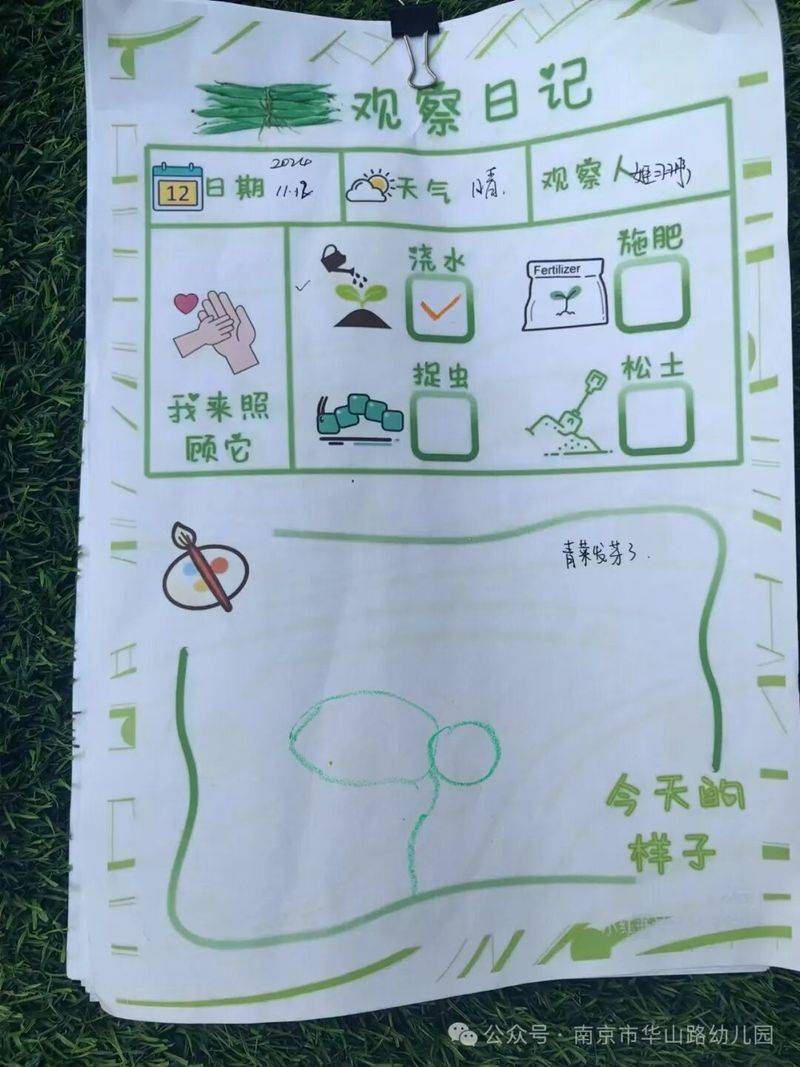
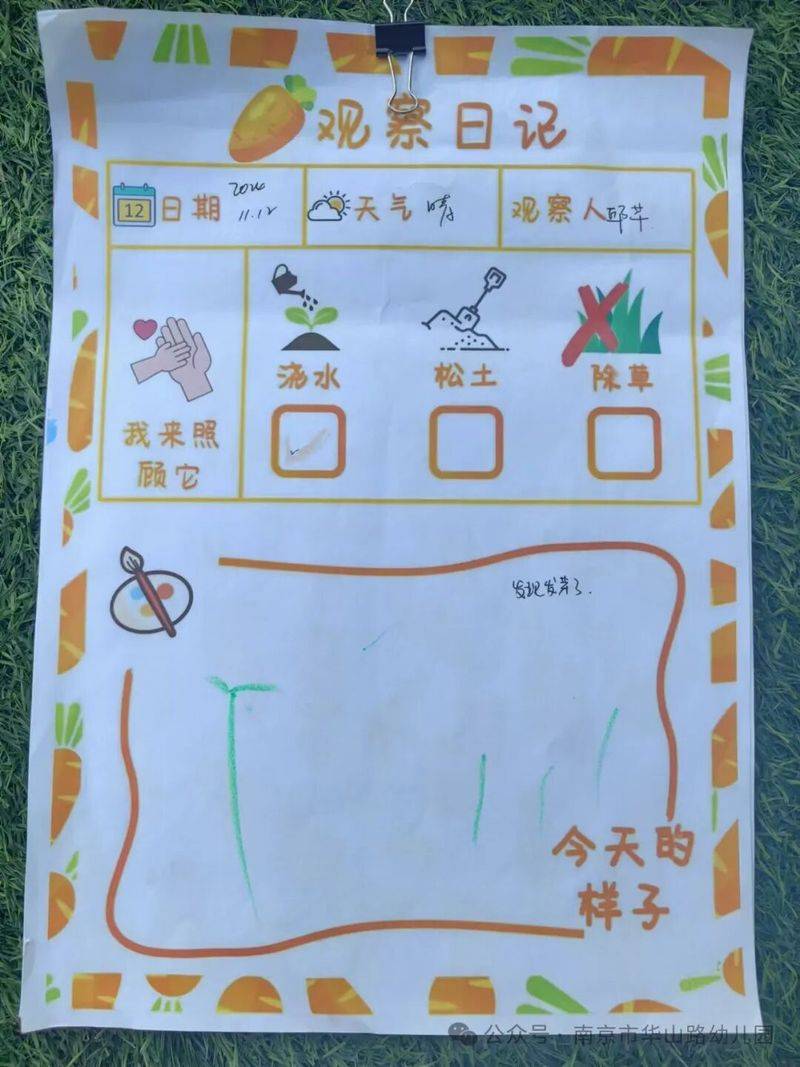
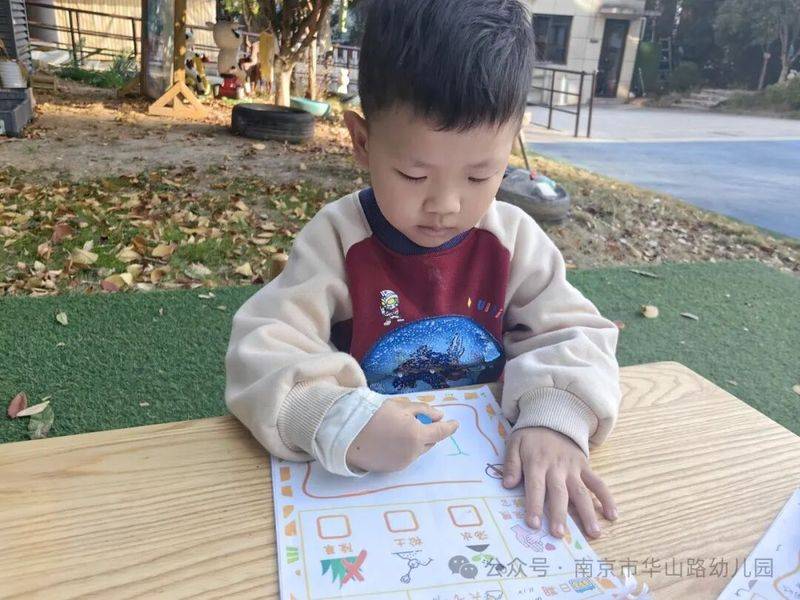
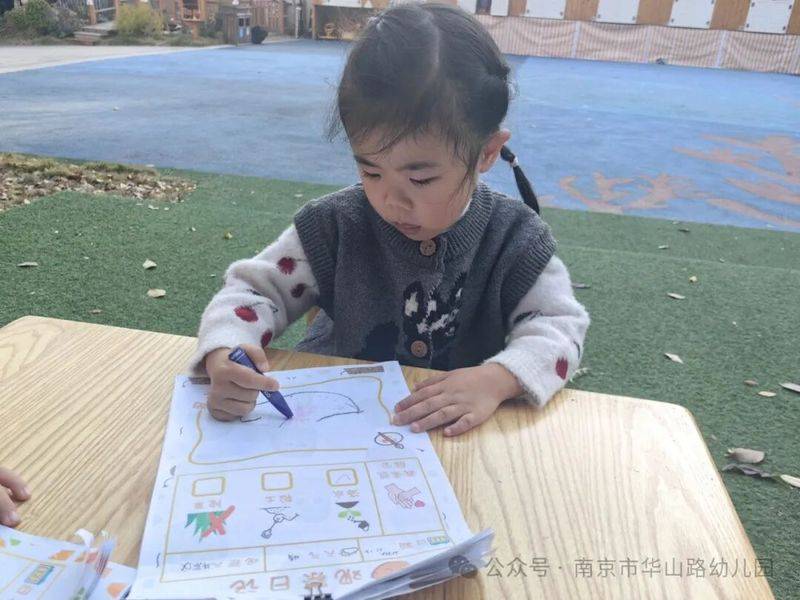
After a period of careful care, all the vegetables in our growing area have grown and continue to grow ..
Cultivation not only informs children about the process, but more importantly about the joy of labour, the value of life and the significance of adherence and responsibility. As the guide emphasizes, we want to “give value to the unique values of play and life” and, through this planting trip, children learn in the game, grow in life and reap full happiness and growth。

Hanayama road kindergarten, nanjing city
Contributions: small class, snow