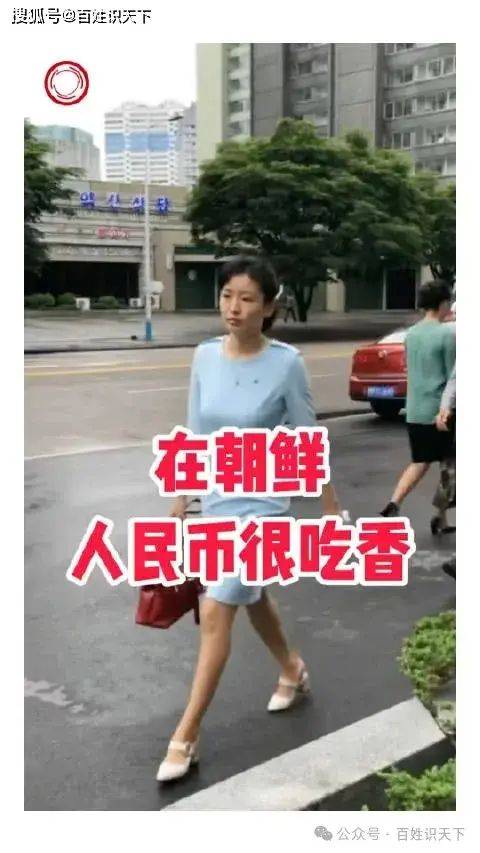
If the democratic people's republic of korea is mentioned, it is probably one of the most mysterious countries in the world that appears in most minds. On the internet, there is anecdotal stories of korean people's lives, such as “a hundred dollars to marry a korean girl back”. However, what is the truth of these claims? With these doubts, i embarked on a journey to north korea to feel the face of life and the price level of the country。
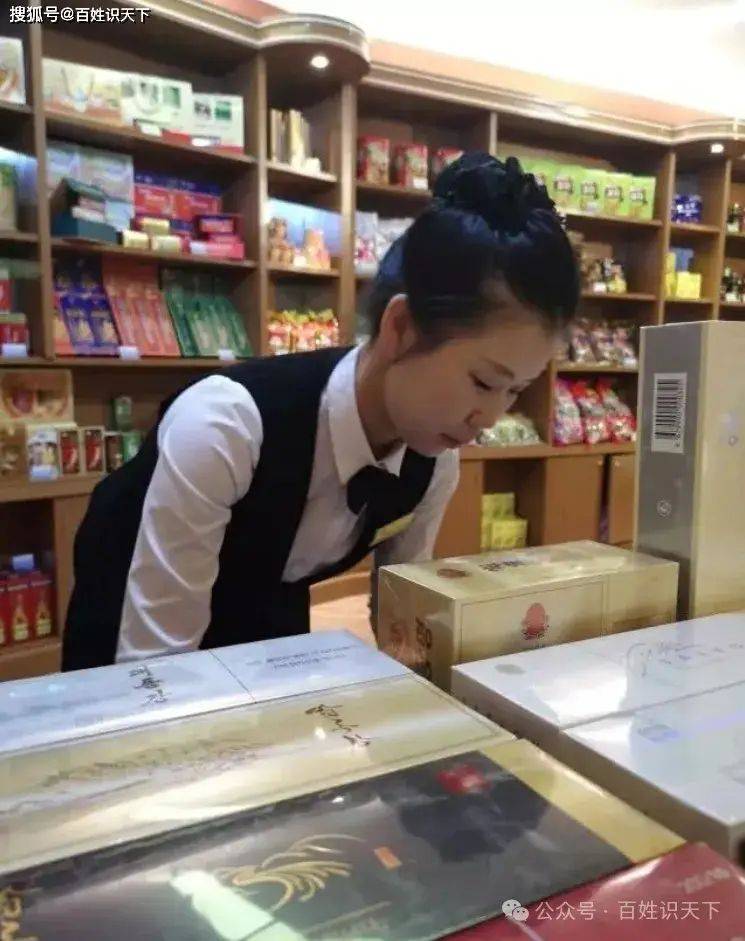
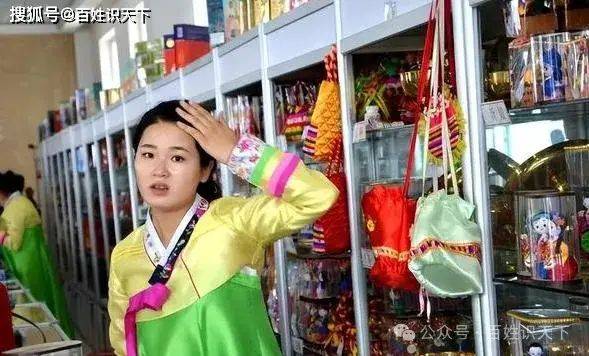
During my journey, i entered the cape island hotel in pyongyang, a luxury hotel on the island that attracted tourists from around the world. There's a supermarket on the bottom of the hotel, and it's very interesting. After a tour of the supermarket, i was surprised to find that the thousands of yuan was not “big money”. The prices of many commodities are even higher than domestic prices. For example, the price of a traditional korean national dress in supermarkets is comparable to that of the country's high-grade clothing, amounting to 1,000 yuan. This has led the female visitors to abandon their desire to buy love at first sight。
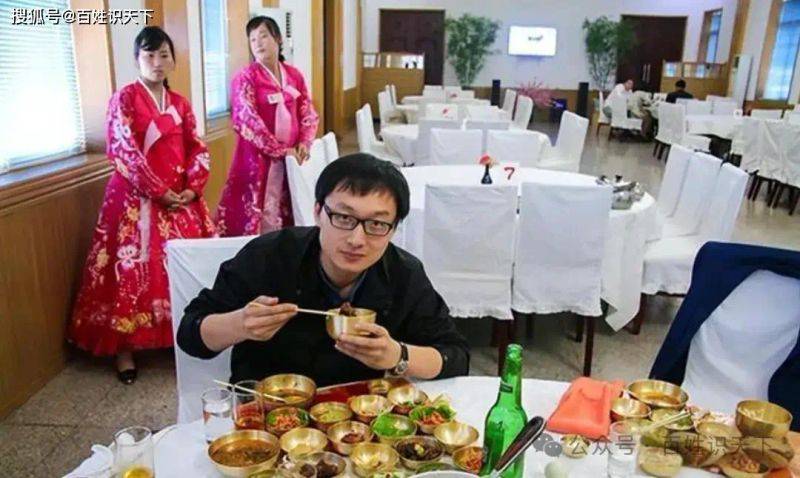
If the national dress is expensive because of its cultural value and uniqueness, hundreds of dollars of 727 cigarettes and seven or eight dollars of a bottle of drinks also make people talk. Even more alarming is the fact that the hotel costs more than 10 yuan per minute for international long distance calls. It's kind of hard to understand at first。
It may be argued that the price of foreign exchange stores in this supermarket is generally high, but the price of local stores is not as low as expected. Our shops on the streets of pyongyang learned that an ordinary smartphone costs about 3,000 yuan and that the price of an imported refrigerator is often as high as several thousand yuan. Even normal fruits, like bananas and apples, require more than 10 yuan。
In terms of transport, public transport in pyongyang, such as buses, is very cheap and takes only a few cents because it is part of the ration system. But when you hitchhike, the start-up price is more than ten dollars, and the contrast is equally obvious. All this tells me that the price of commodities in the ration system under the planned economy is low, but that prices are often higher for commodities that are not. This has created a unique structure for the economic life of korean citizens: in basic life, they are protected by the planned economy, but in luxury goods and imported goods they face international pricing with little discount。
Perhaps most notable, however, is the unique understanding of happiness brought about by the planned economy. For many koreans, happiness is not equal to material enrichment, and their sense of well-being is more rooted in social equity and the satisfaction of basic needs. The free housing, health and education system, despite limited resources, has to a certain extent reduced the economic stress on personal life。
In my interaction with the local population, i learned a very interesting question: despite the scarcity of material resources, many are indeed less anxious than we thought. Every day, they have stable jobs and arranged rhythms of life, and the days are spent in relative calm. This life seems to lack dynamism and choice for those who have come into contact with more market economies, but for them it is an order and tranquillity that most people cannot understand。
After exploring all of this, i began to reflect on how much material enrichment and individual well-being are positively related. Is it a more prosperous urban life, or is it a simple life with a sense of security and less stress
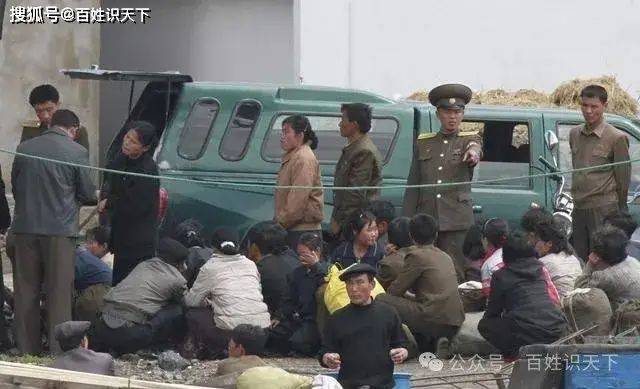
This journey gave me a more solid understanding of north korea as a mysterious country. It made me realize that the answers to questions about happiness, materiality and lifestyle are not absolute, but rather varied by people and by environment. Prices are high, but the sense of well-being is not necessarily low in a given system。
How do you think happiness should be defined? Is it the pursuit of material wealth or the enjoyment of small life? Welcome to the comment section. Let's discuss it