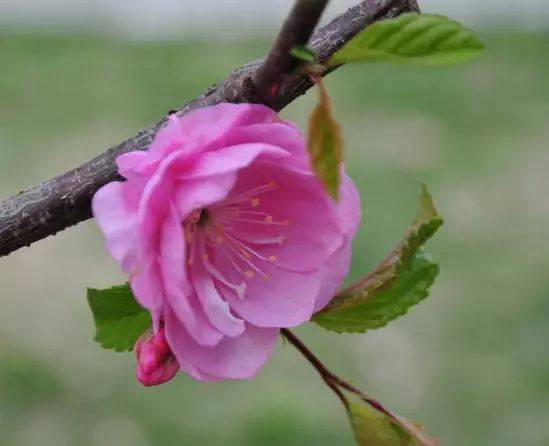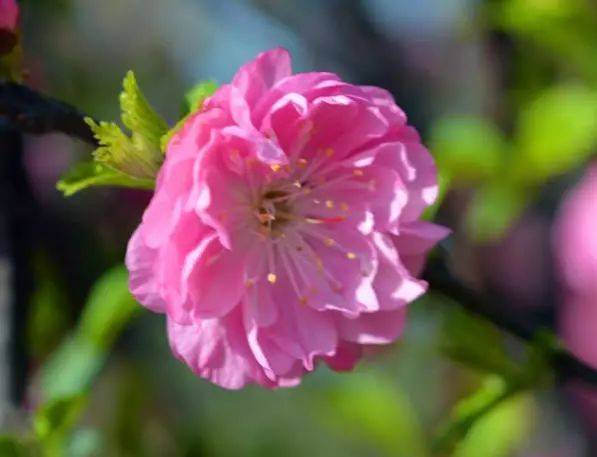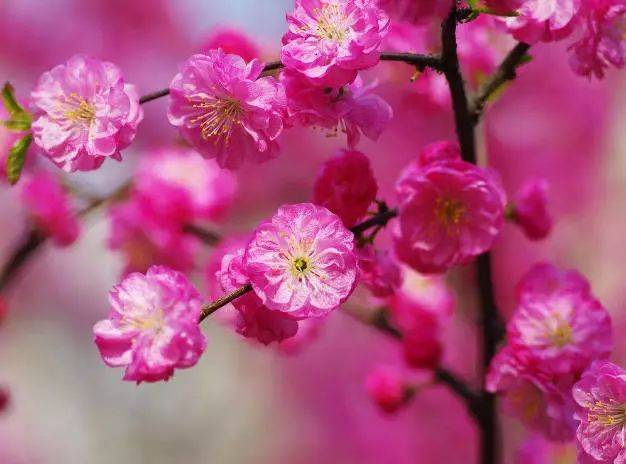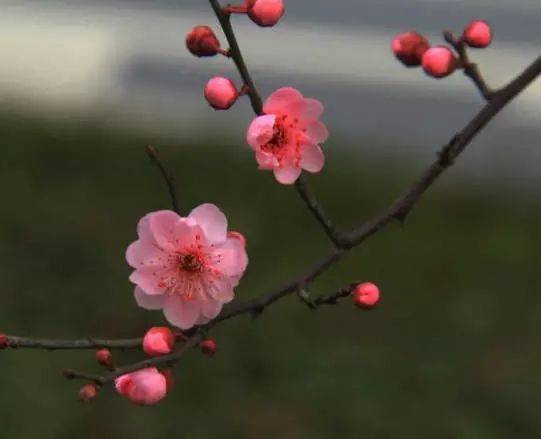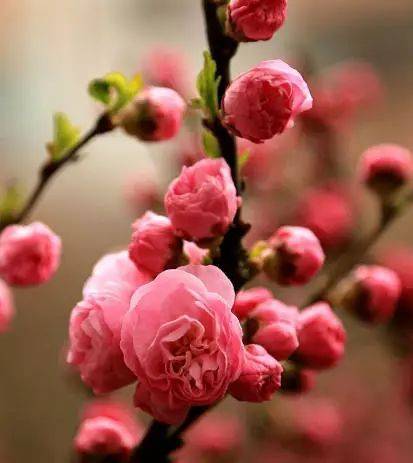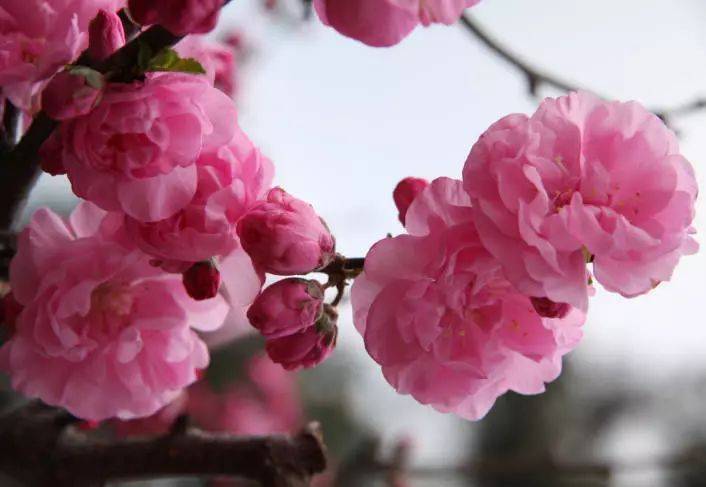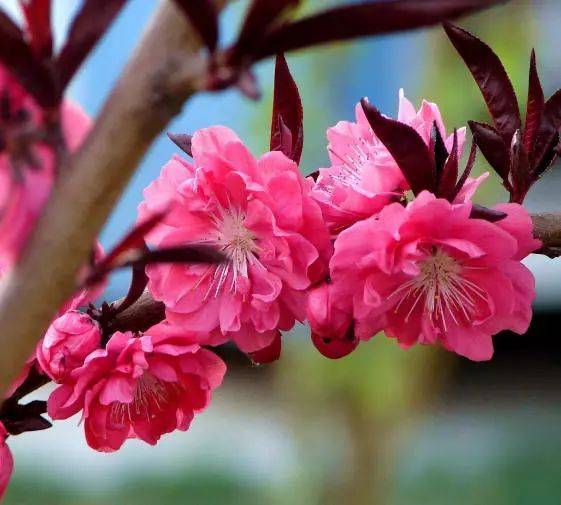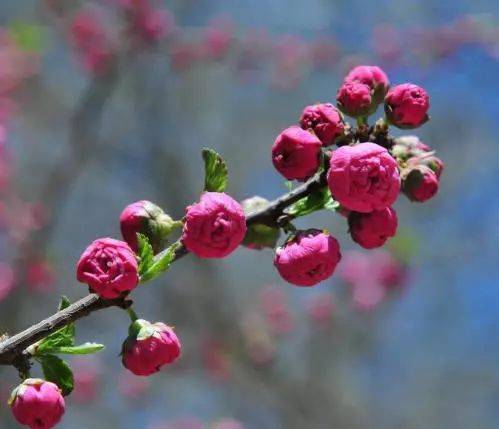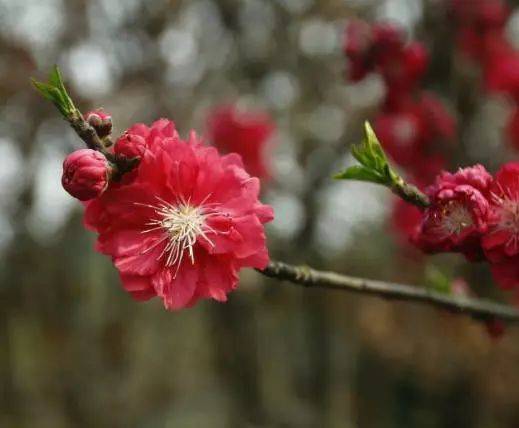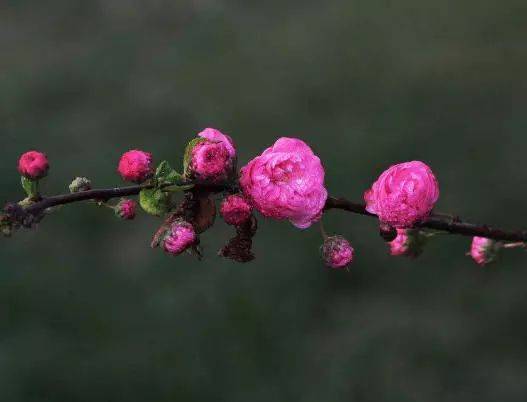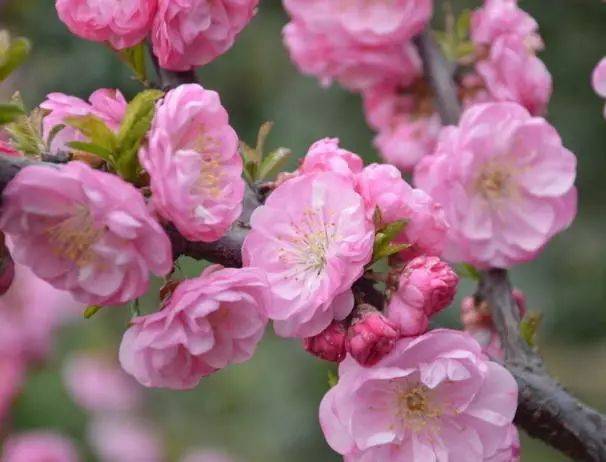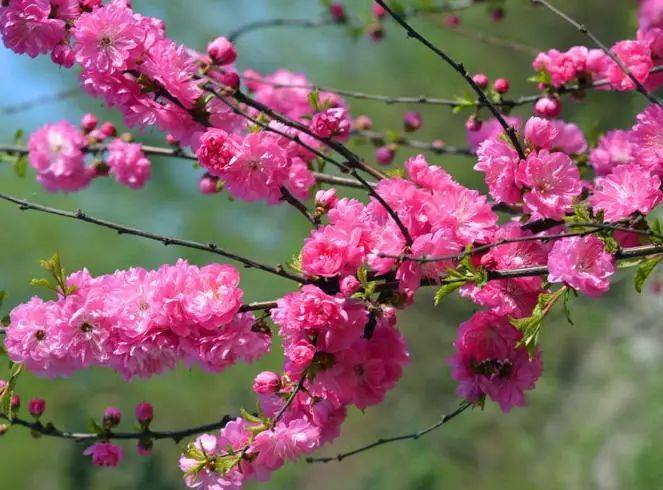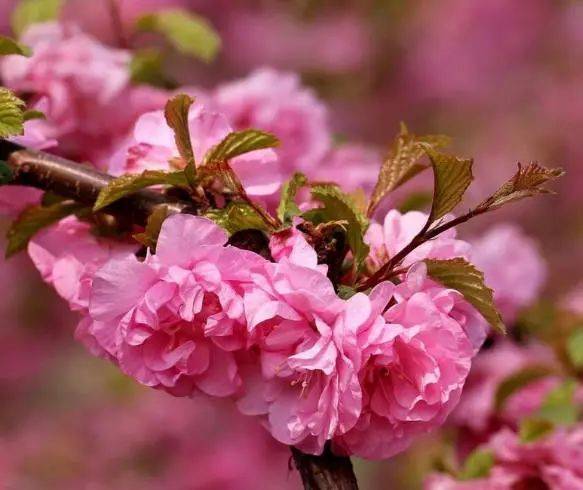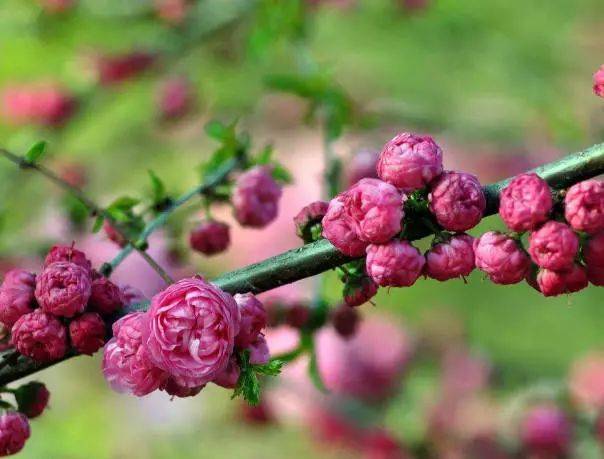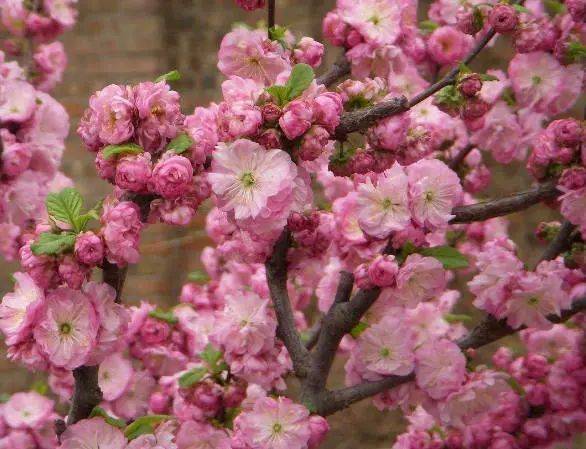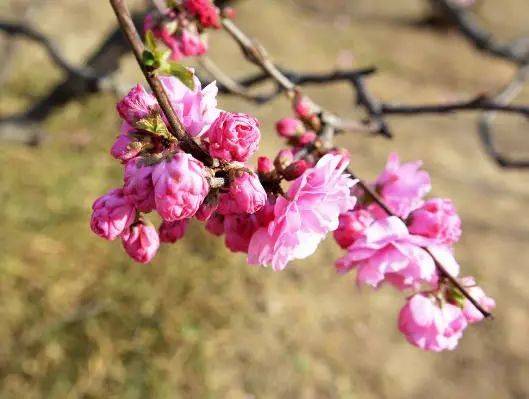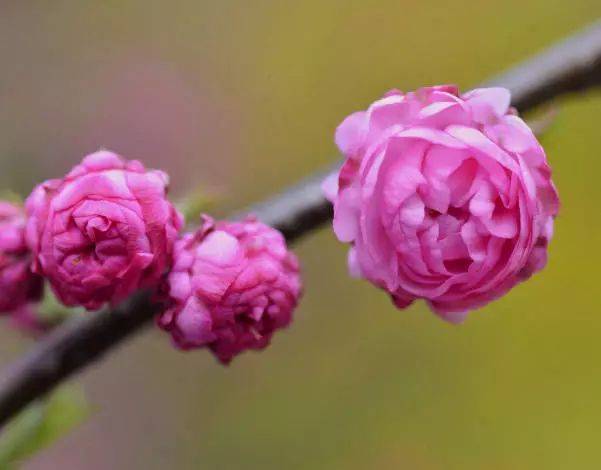
And elephants, and hong, whose leaves are like eels, and whose flowers are like clubs。
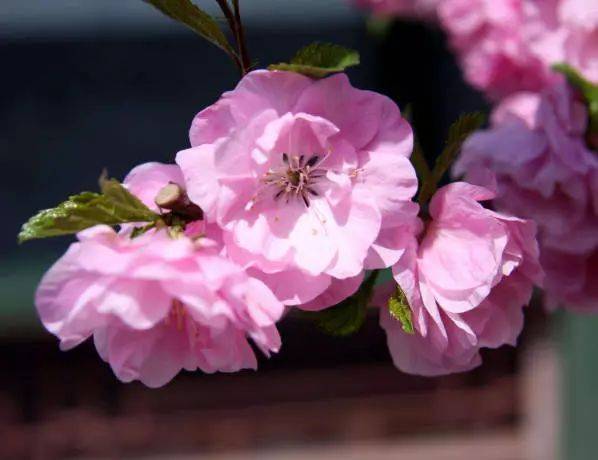
Elephants are known because they are like eels and flowers are like clubs, and they are called peaches. As cultivation takes place throughout the country, we will then learn about the farming methods and the care of elephants, which we hope will help our flower friends。

"title = "the farming method and care of elephants."
Elephants' farming methods
Elephants are generally grown on slopes or ditches, under bushes or by the edges of forests up to mid-sea level。
The requirements for soil are not stringent, but they are best developed in neutral to microalkalin fertilizing soils。
Water
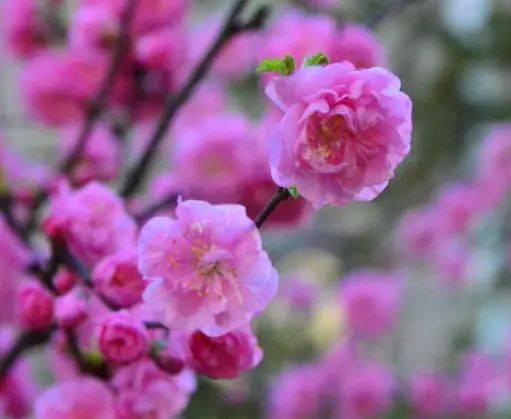
Elephants have a well-developed root system and are drought-resistant, but are resistant to flooding, so it is better not to plant in low-lying areas, ponds and ditches。
In the spring, if the weather is dry, two or three times water will be poured, without water normally, and with attention to the rainy season。
Light
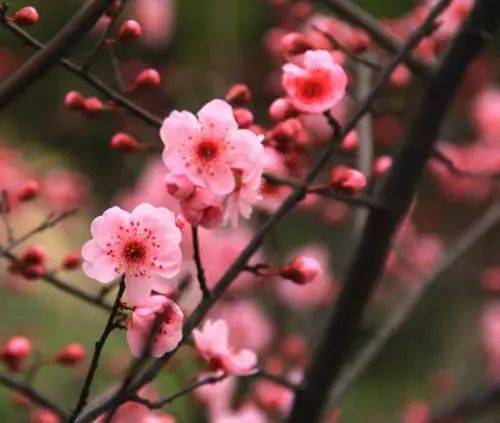
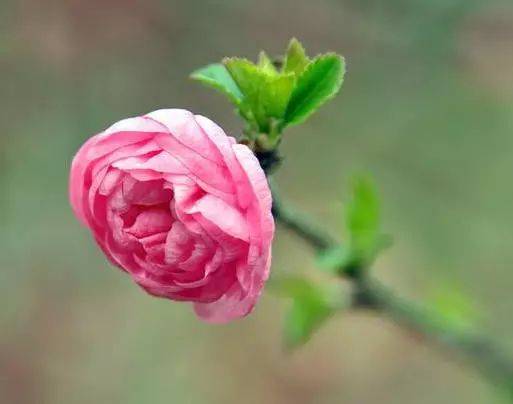
Elephants are strong and enjoy the sun, so they should be planted in areas where there is sufficient light, where there is insufficient light, where they are small, and where there are few or no flowers。
Fertilizing
Elephants like fertile soils, so care must be taken in the conservation process about the number and quantity of fertilizers that can be used as base manure with a few stale cow and horse dung。
From the second year of normal management, it is possible to fall behind in the spring of each year, with summer buds split and fertilization once before winter。
Be careful with the culture
Elephants are the best growing in a well-drained sandy border, and they can grow normally in a sophine sandy soil, but they are more poorly grown in clay, in the form of small leaves and yellow, no branches, small flowers or no flowers。
Regular pursuit of fat
From may to june, fertilizers can be applied one or two times in order to encourage the planting of plants to separate flowers。
Controlling soil ph
Elephants have some salin resistance and are normally growing in salted soil with a ph of 8. 8 and 0. 3% salinity, without adverse reflection。