First scholars, select sketchbooks with several points:
1. Knowledge content need not be too complex
First, learning begins from a simple point of view before the knowledge points are slowly digested. If you start learning much of the knowledge points that are not at this stage, it is not easy for you to understand, but it can also produce counter-psychology, which is difficult to draw, which is not really your personal reason, the way you learn or the book you choose。
2. Comprehensive and logical basic content knowledge
Since basic knowledge is the basis for going down and going down, it's problematic if you don't have the basics to learn. It's because each author of a book has his or her own style and an understanding of drawings that is the choice to teach you from the point of view of a pioneer。
3. Description of the system of steps
In some books, the pace of painting has jumped, and some of the transition steps have been omitted during this period, a situation that has caused great distress to beginners, apparently not suitable for beginners。
4. The book contains a pamphlet that provides adjuncts
It's not useful to combine theory with practice, you learn to sketch points, you don't touch pens, so you have to have good sketches when you choose books, and you have to try to understand them by drawing them。
5. Books are fairly large。
This is necessary, and the bigger the picture, the clearer the pen, the more you can look at it, the order of the tune, and even the priority of the touch。
I've been here since the beginning of school, and i've been learning a lot of lessons, and now i've graduated from the beauty complex for years. I'm here to recommend a few books, books for starters' self-study, and by the way, to tell you how to choose a good sketch:
The wall crack recommends a full set of four basic sketches below
1. Be consistent with the logical order of basic teaching and be comprehensive in content。
The whole basic series, which is summarized as “from structure to darkness”, is reasonable, and “structure” contains basic knowledge of the grasp of the various perceptive relationships and how to shape them, while “blindness” contains elements such as the relationship of light to the still, the line of open and dark contact, the reflection, the use of a tune, etc。
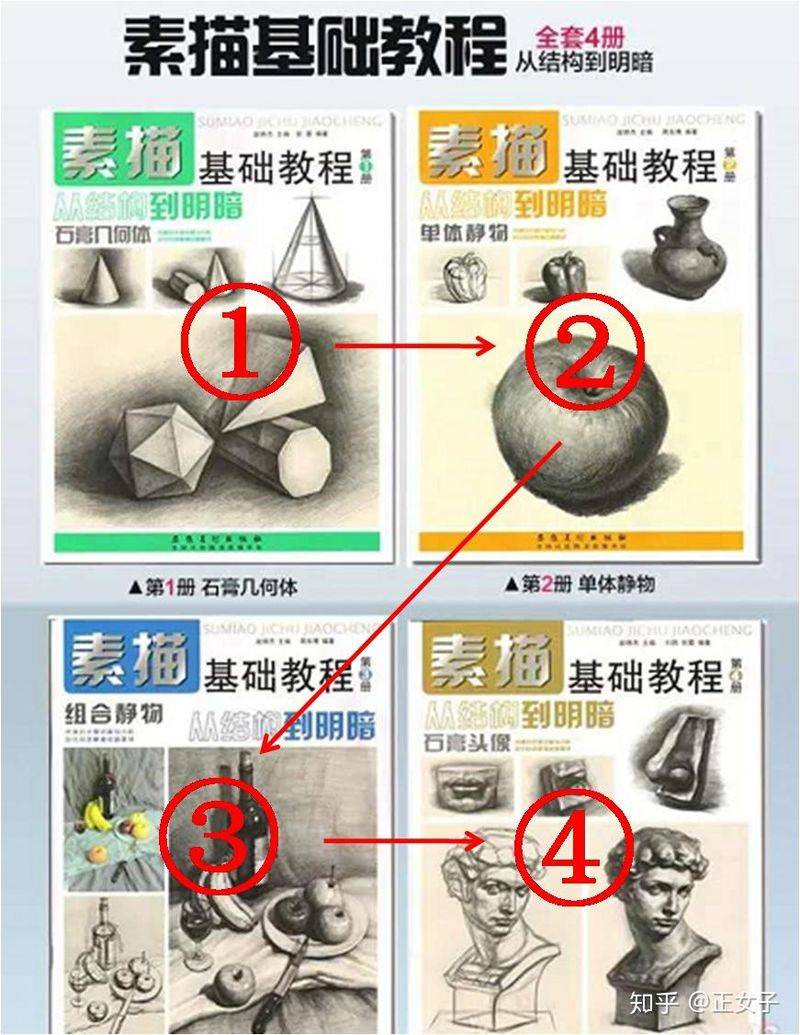
From knowledge and mastery of plaster geometry to monostatic. (unional stills are necessary, and all stills must be geometrically constructed during the drawing process and are more easily understood. It's a monostatic, and then it's a plaster image, which is the basis for character writing。
The whole process is the whole basis of learning sketches, and the sequence is very standard, and each step cannot be reversed, let alone missing。
2. Compared to paintings, the transition to writing is easier。
I've bought basic sketchbooks before, but unfortunately there's no object, which means that you're in the middle of something, and you don't know what it's like in the first place, and that's what's going to make you work a lot, but you can't do it in life。
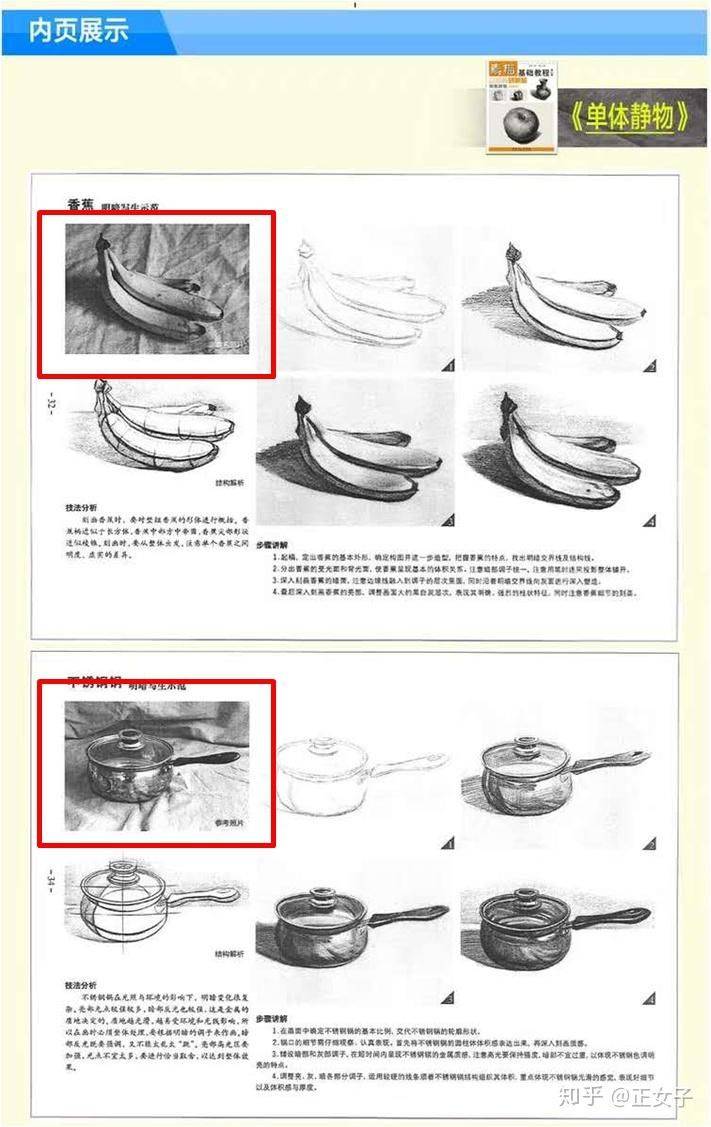
And why, because we have to know how this object comes out of line at the moment of probation, and it's useless without analysis and understanding, so that's the advantage of books in comparison。
3. Detailed steps and clear lines
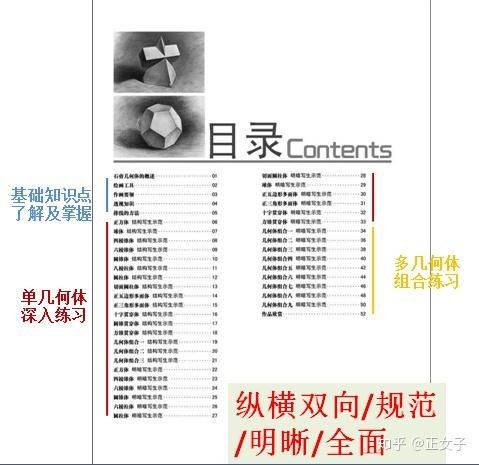
A book-reading catalogue, from perspective to geometry, with many geometrys, is a multi-directional exercise of knowledge points, in-depth learning, a final combination of exercises, and a two-way grasp, which is a very standardized way of training, and the lines in the book are clear, and you can observe lines and read them carefully in the process。

4. The peg is easy to draw。
We used to tear down the book nails, and then wrap a single page on the board, conveniently or without folding. If it's that type of tape, it's not easy. We know to buy sketch books, not just reading, but painting。
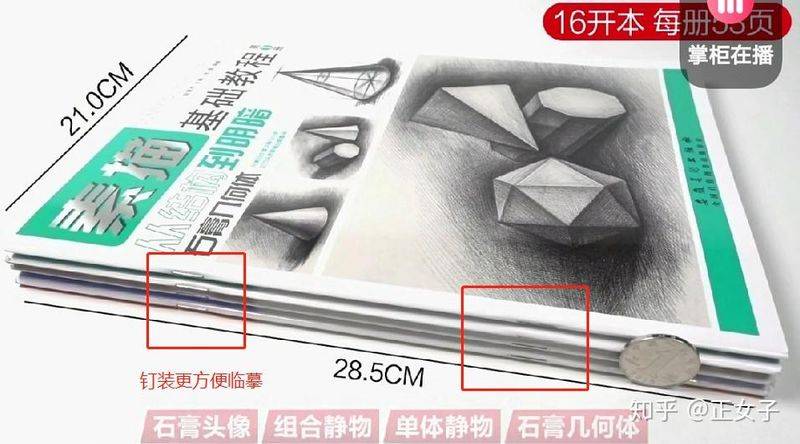
It's very convenient to read the entire book
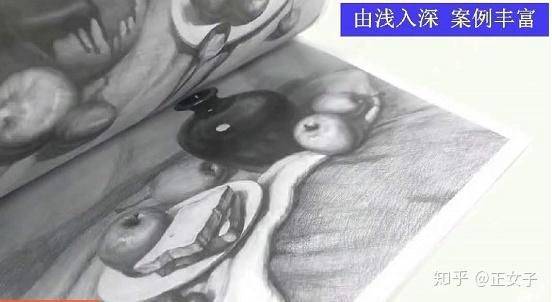
5. The price is reasonable and it's not recommended to buy too expensive books
We're starting to learn the basics, so don't choose the kind of knowledge that's too much, very thick, that's expensive, not necessarily suitable for you. One step at a time, the book consists of four books that basically contain all the knowledge of the first stage. It's probably cheaper and more cost-effective to enter from the bottom, and it's at least two to three years to paint. The book is also very well evaluated, and some studio teachers recommend it。

Finally, i want you to know that it is important not to waste it, that the books that are bought be used and that those that are not known before the purchase be asked more questions and that we spend it on the blade。