Liberta
From manual to full automated observations, from direct observations to remote sensing observations, from observations of atmospheric physics changes to observations of atmospheric chemistry, from observations of the atmosphere to observations of the ocean and so on, and so on. I don't know. Over the past five years, our integrated meteorological observing system has achieved a remarkable transition from a single technological instrument in the past, with narrow observations and simple structural levels, to space-based, ground-based and space-based observations. Over the past five years, the development of the operational meteorological integrated observation system towards automation, remote sensing and the modernization of the “triple” integrated observation system has been advanced in a comprehensive manner through the construction of a series of projects, such as the specialized meteorological radar project, the meteorological disaster monitoring early warning project, the marine meteorological integrated security project and the geological flood monitoring early warning project. Observing systems are also moving towards greater diversification, precision and quantification, which has become a powerful support for weather numerical forecasting engineering and meteorological services and an important safeguard for the development of meteorological industries。
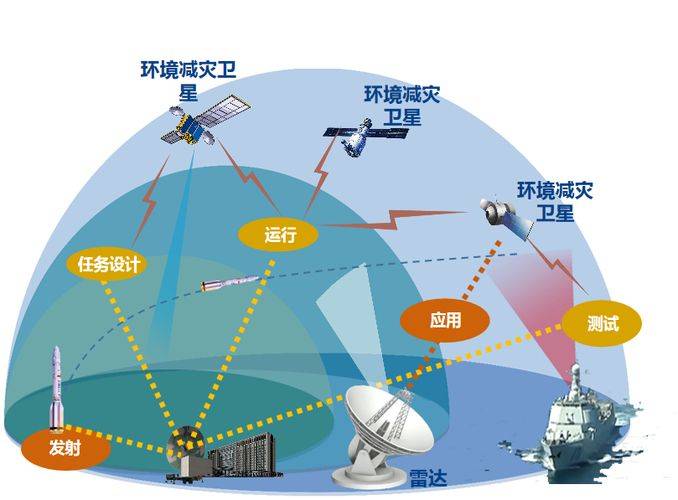
Guided by the strategic development goals of the china meteorological administration, “safe weather, resource weather, public weather”, the observation system has achieved a significant overall development in observation equipment, observation tools, observation techniques, etc., and has achieved observation of the atmosphere, rock, ice, water (marine), biosphere, etc. For example, observations of atmospheric composition have led to a shift from traditional physical observations of wind, temperature, humidity and pressure to atmospheric chemistry, with observations of pm10, pm5, pm2. 5 and even pm1, as well as aerosols, nitrogen oxides, greenhouse gases and gases measured, and with simultaneous observations of atmospheric physics and chemistry; integrated observations of multiple factors, all-dimensional and scaleed observations have also been carried out in the marine and ecoosphere. It can be said that the growing abundance of the products of the integrated meteorological observing system (imos) for detection and the increasing diversity of technical means of monitoring and coverage of areas are unprecedented in the history of meteorological observation。
With the advancement of modern observation techniques, the full realization of remote sensing, telemetry and automated observations by the integrated meteorological observing system has gradually become a reality and a powerful foundation for future meteorological development. For example, with the advent of the doppler technology and dilution technology for meteorological radars, which have become increasingly rich and capable of detection; not only do we use rain radars, but also laser radars, cloud radars and clear-air wind radars, atmospheric observations have begun to shift from “single information” to “full information” observations, and products and technologies have matured. We have made a shift in atmospheric observations in the vertical direction through millimetre cloud radar technologies, wind profile radars, and double oscillation radar technologies, which have significantly increased the perception of vertically fine structural characteristics of the atmosphere; and in a number of key technological institutions, the transformation of radar power transmitters to solid-state transmitters has resulted in a significant improvement in the stability and reliability of meteorological radar operations, as well as in continuous “combat” capabilities and costs. One of the most prominent highlights of ios is the rain-radio operational network, consisting of more than 200 c-band and s-band weather radars, more than 100 l-band and p-band border and all-weather wind profile radar networks of the troposphere, and the observation network of nearly 60,000 terrestrial automatic meteorological stations, which have improved effective monitoring of medium-scale weather systems。
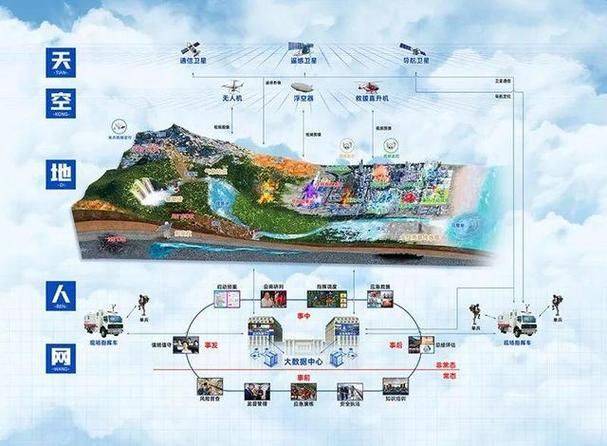
In parallel with technological advances, the integrated meteorological observing system (imos) has placed greater emphasis on synergetic development of the integration of “the sky and the sky” through the gradual establishment of a three-dimensional development model, from the ground, space and space, the integration of meteorological satellite observations, aircraft (including drones, commercial aircraft), ground-based automatic station observations, ground-based remote sensing observations, the development of a large number of integrated and integrated products and integration products, and the gradual establishment of a mutual validation and calibration system。
It is even more noteworthy that our observations have been transformed from terrestrial to “undersea” observations. Over 300 offshore platforms, automatic stations installed on more than 1,000 fishing vessels, small buoys for large offshore buoys and aircraft observations on offshore coasts have together built an offshore observation system as a powerful tool for marine detection. With regard to ocean observations, meteorological radar cover capabilities have been gradually extended from the coastal base to the deep sea. Aircraft observation bases are currently being constructed, using aircraft-mounted observation equipment for detection in the open and deep oceans。
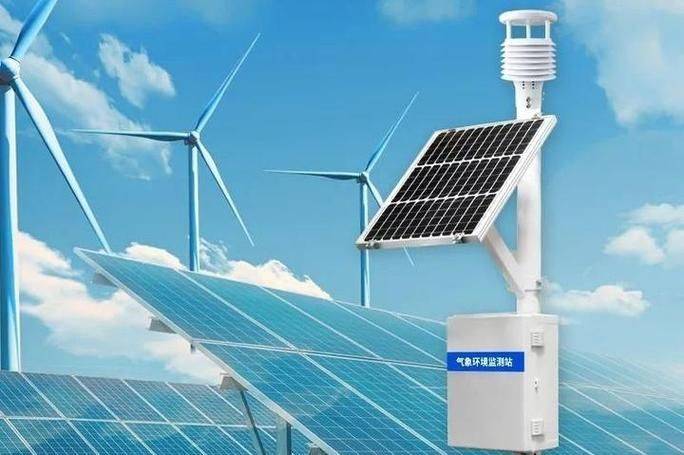
In short, the previous idea of “space and space” stereoobservation has gradually become a reality, with a three-way network of reciprocal and mutually validated observations, ranging from single weather observations to multi-factor observations, which are becoming increasingly rich. It is no exaggeration to say that china has joined the group of developed countries of the world meteorological observing system (wms) and is moving towards the meteorological integrated observing power. Of course, we still need to do better by further strengthening the quality of data, products and their applications, services, etc. In the future, we will also move to broader areas in line with national needs and meteorological operational requirements。