♪ the queen of the monkey ♪
12 october 2012 14:37 source: summaries of ombo articles: selection of large, high-quality, durable storage and resistant varieties such as qinmene, yat, hayward, sangyang, huawang 2. It's good to be in the middle of the sun, no night frost, deep and fertile soil...
Choose the species of fruit, quality, tolerance and resistance, such as qin mei, yat, hayward, red yang, hua xin 2。
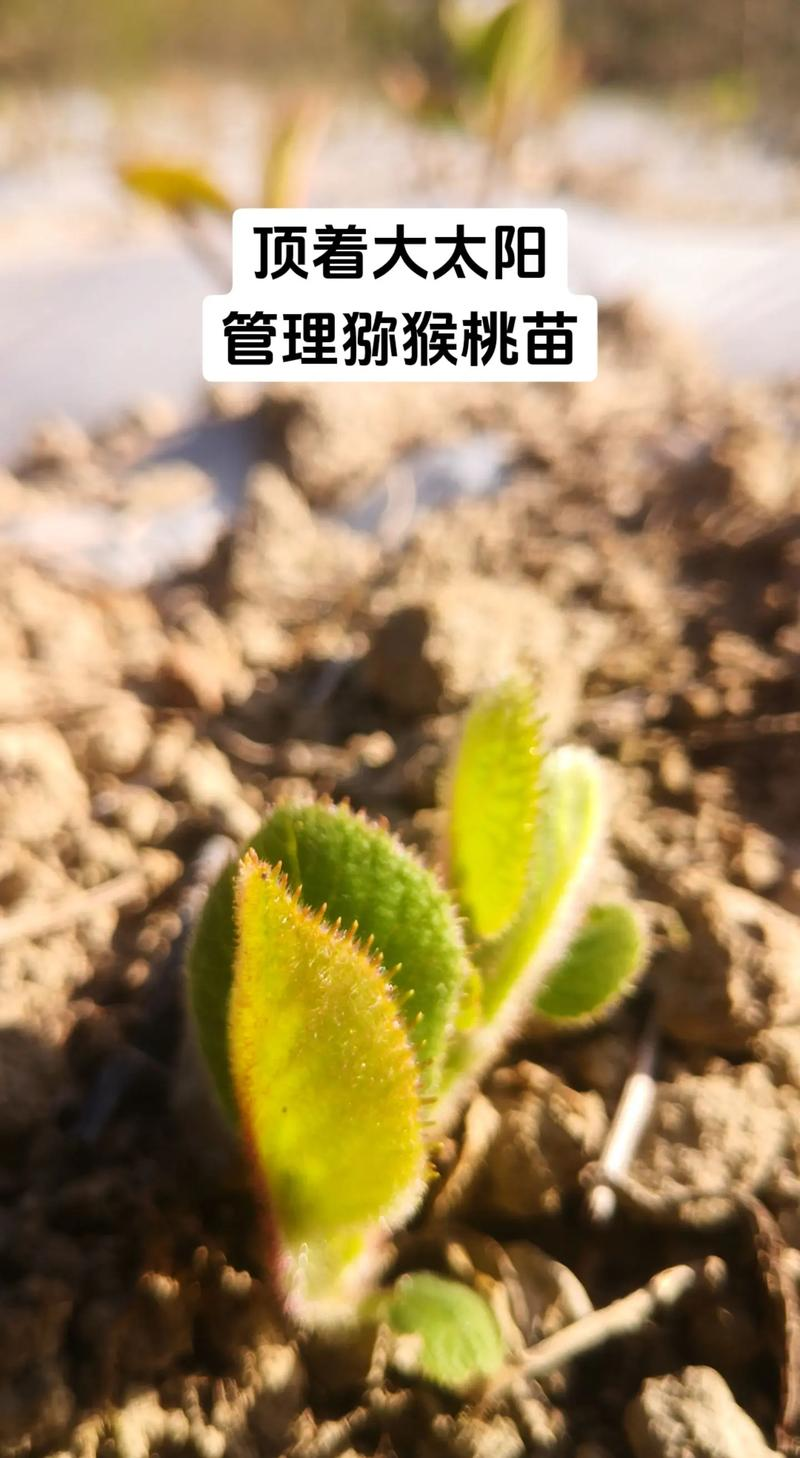
The choice of the park the chrysanthemum is a cool and humid environment that can be planted on the soil of micro-tacid sandy sandy soil that avoids the wind, has no night cream, is deep and fertile, is well drained and has a high organic content。
Plantation can take place after late autumn leaves and until the spring spring of the following year, with the best planting after late autumn leaves. Early spring planting should take place no later than the second half of february in spring。
Science-based planting is based on t-frames or sheds, with t-frames being used as a model. The cave is dug before planting, 1 metre in diameter and 60 centimetres deep. Each of these plants is mixed with soil by 10 to 13 kilograms of rotting organic fertilizer, which is then planted in the den. Twenty percent of the males are pollinated. Soft hair varieties are weak and should be properly planted, with a distance of 2 metres and a range of 3 metres; hard hair varieties are strong, with a range of 3 metres and a range of 4 metres。
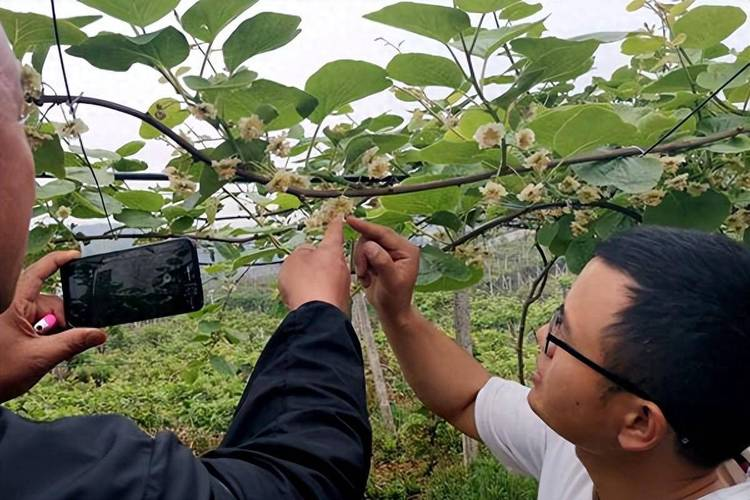
Artificial pollination is required during the flowering period in the rainy weather。
Rational ointment。
Controlling fatty water the kindergarten goes up deep every year and in conjunction with the fall, applies 2,000 to 2,500 kg of high-quality farm fertilizer per acre, and 4,000 to 5,000 kg of high-quality farm fertilizer per acre. Three or four times a year. Before the bud, nitrogen phosphorus fertilizer was used, ranging from 10 to 15 kg urea per acre and 20 to 30 kg calcium per phosphate. Potassium sulphate compound fattening 30 to 40 kg per acre during the period of fruit expansion. Micronutrients such as calcium, iron, zinc, etc. Were sprayed three to four times with long-term combined application. Water is fertilized in a timely manner。
Orthopaedic trimmings during summer erasing the extra buds and taking care of them in time, resulting in 10 to 15 knots and 15 to 20 knots of nutrients. Scratch and de-stamp in time. Late december to late february. The larvae trim should be shorter where the new sprouts are full, in order to accelerate the expansion of the crown by creating branches. After the festive period, care is taken to update the outcome branch and to contract. Hard-crop varieties are strong, with 10 to 15 long branches and 5 to 8 short and small branches; soft-crop varieties are weak, pumped, heavy, with 8 to 10 long-crop branches and 3 to 5 weak branches. After winter cuts, three or so fruit branches and 20 to 40 buds were left on each shelf。
Insects are treated against ulcer disease with thiomers, and bacterial flower disease is treated with agrococin. In the case of large cyanide, velvet wax, etc., eggs can be removed from the branches in the early spring and treated with 2. 5 per cent of the milk cream from 2000 to 2,500 times the fluid spray; in the case of red spiders, antifluent spray can be used. The fall leaves were removed, the insect branch was burned or buried in concentration, and the thiomers were sprayed against the disease。