Triple beans are widely used as rare vegetables with food, medicines and abundant nutritional and pharmaceutical values that have been marketed as rare health vegetables in high-end markets in countries such as south-east asia and europe and the united states. Pyramid and green leaves are good feed and green fattening, rich in vitamins and minerals, and have some medicinal value. They have good effects on 19 diseases, such as coronary heart disease, arterial sclerosis, cerebrovascular sclerosis, infertility, customary miscarriages, oral inflammation, urinism and eye disease. The method that bug shared for you today。
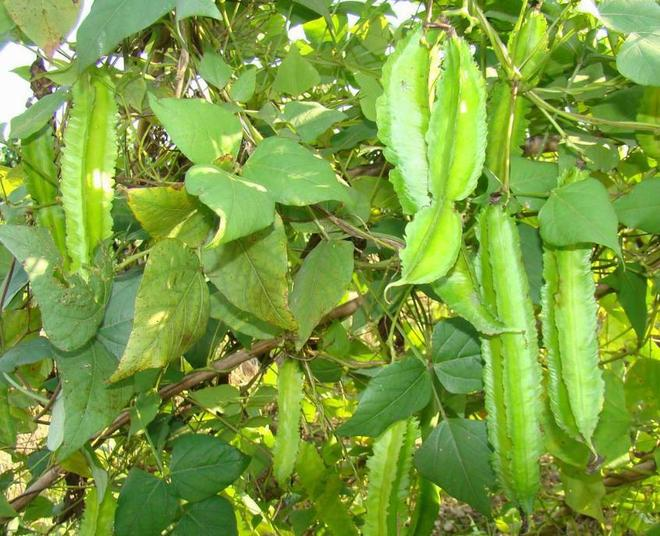
Sowing the whole place
Pyramids prefer to be fertile and estuarine, permeable by water, and poorly grown in visceral sandy soils. The seeding is preceded by the application of foot-based fattening, which is typically 100-1500 kg of curing organic fat, 500 kg of grasswood ash or fire ash and 50 kg of phosphorus per acre, followed by the opening of a gutter, which is then completed and ploughed from 60 to 70 centimetres in the centre of the acre, with two to three particles per den. Based on the temperature required for the growth of the sprouting of the beryllium, sowing is possible as long as the local temperature is stable at around 25°c and above 20°c. Cultivation is possible in the south of the country in march-june, in the north around june, and in the greenhouses in the shed in four seasons a year。
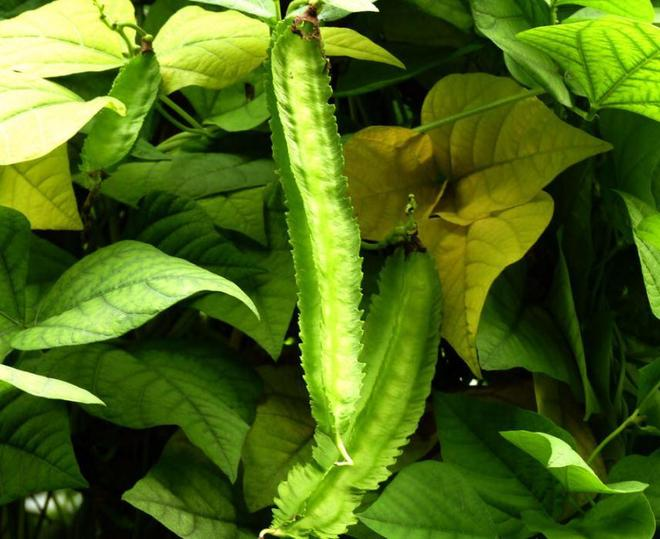
Field management?
When seedlings begin to come out of the soil one week after planting, seedlings are detected and replanted in a timely manner. When the seedlings grow to 7-8 leafs, an inter-sapling seedling is carried out, with one to two healthy, healthy, disease-free seedlings and 1,500 to 2000 acre. And draw the chickens up and grow the earth. After 30 to 40 days after the arrival of the prism, when the chicken is starting to be smoked, the adult or triangle shall be placed with bamboo wood, which shall be more than 1. 5 metres high, and shall be sowed one or two times before the chicken, then one or two times after the chicken, and once after the leaf has been sealed, 15 to 20 centimetres of soil, i. E., it shall cease. In order to adjust the conflict between reproductive and nutritional growth, to promote flowering and root expansion, there should be a number of attentions for growing branches in order to promote branching, control the growth, and reduce the fallows and promote the results, while the over-heavy 2,3 branchings and excess blades should be removed in time to save nutrients, increase sitting rates and remove leaves for animal feed。
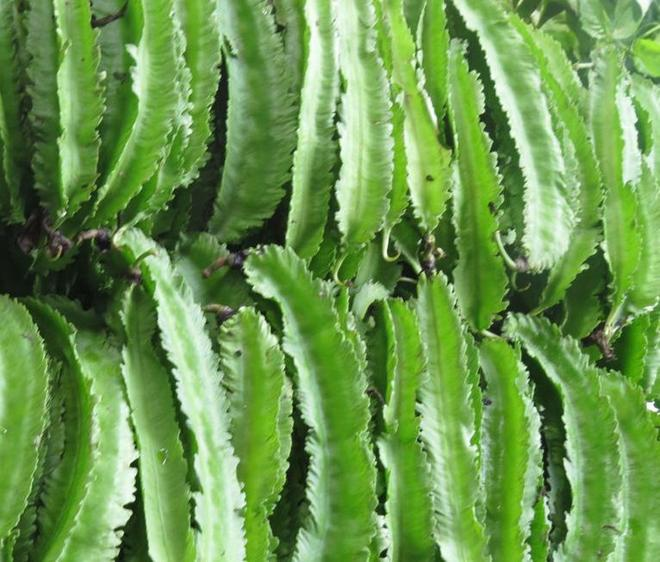
Fertilizer water management
The quadrant has a strong nitrogen-fixing capacity and should be less fertilized during the seeding season. The total nutrient production should, in the long term, control the use of nitrogen fertilizer so as not to cause a growing branch to grow and affect the growth of the bouquet. However, phosphorus and potassium fattening should be repeated at the onset of reproductive life, i. E. During flowering seasons. It is generally known that heavy fat is pursued once in the first flowering season, 15 kg of nitrogen, phosphorus, potassium compound fat per acre, or 50 kg of phosphorus fat and 10 kg of potassium fat, in order to promote more flowering. In the damp environment, care should be taken to water and keep the fields wet, especially during flowering seasons, and to keep sufficient moisture in order to satisfy the growth of the chickens and the bouquets. To ensure production and quality, but not water in the fields. Because the prism is a root tumour crop, excessive moisture affects the formation and growth of root tumours, causing rotting roots and leaves to fall, flowers to fall and quails to fall。
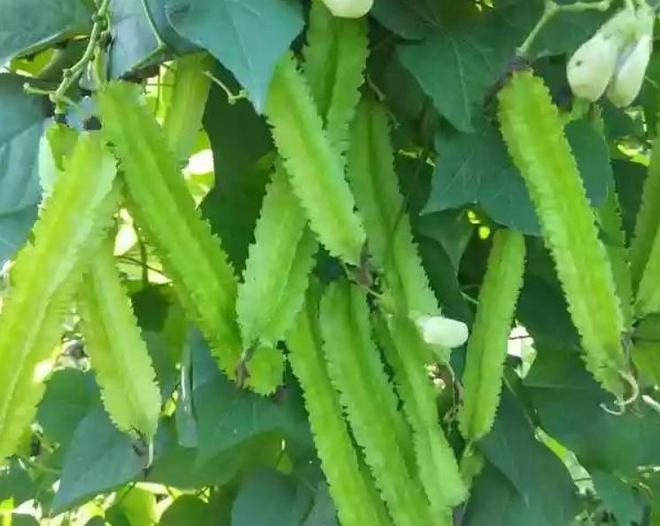
Collection and retention
The early and late harvests of quail directly affect the quality of the bean and therefore require strict control of the timing. When the green bean is not wooded for 10 to 12 days after the flowering, the green bean is harvested in time for the vegetables to be harvested, at a time when the beak is soft and the fibre is low. If the extraction is delayed, the bean is wooded, the fibre is increased, the walls are hard enough to eat. All bean beans and chips can be planted in soybeans, which should be tanned in a timely manner and kept dry and closed. Planting with chips, the south naturally settles for the winter, while the cold areas of the north harvest before autumn, store for the winter, and avoid damp and decomposition and freezing。