What are the basic terms that generally describe optical optical parameters
A description of the light from a light source, which generally has parameters such as brightness, light flux, light intensity, photometry, etc., as shown in the figure below。
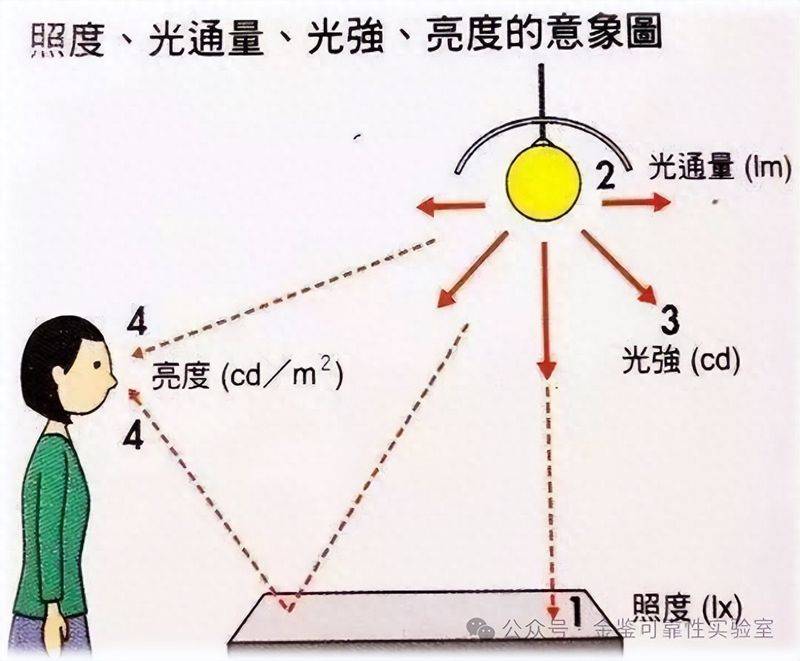
The light flux is the amount of light that is launched by the light source within a unit time, in the form of fluid, im. This amount is for the light source, describing the size of the total light source, and the greater the light flux of the light source, the more the light is sent out. It has a positive relationship with light power。
The light flux from the light source is defined as the light strength of the light source in the given direction, in kandra, or cd. The light intensity is directed at the light source and describes how much light source is "lighted" and the greater the intensity of light, the greater the light source looks and the more bright the object is when it is exposed under the same conditions。
Brightness is the physical volume of light-source surface light. The light source is observed by the eye in one direction, the light strength in that direction as compared to the area of light source “seen” in the eye, defined as the brightness of the unit of light source, i. E. The light intensity of the area per projection. The brightness is in kandra/m2 (cd/m2) is the perception of the intensity of light。
Photometric means the amount of light fluxes received on a unit area of the exposed surface, in the lurk division, i. E. Ux. Lightness is an important indicator of the environment, generally 0. 02-0. 3lux for the month and night, typically 50-500lux for the outdoors, 100-1000lux for the sun and 50-60lux for the reading of books。
What's a light curve? Why needs light
The light curve is designed to understand the spatial light distribution of light sources or lamps and to express the curves of spatial light distribution of light sources or lamps by recording the light flux, the number of light sources, power, etc. Of lamps. We can imagine the placement of a lamp or source of light in the heart position of a space ball, and then measure the strength of the light on one of the cross-sections of the heart to obtain a ration curve. Of course, a better understanding of the distribution in space of the light source or light emanating from the lamp is possible to measure the light strength of multiple spatial angles。
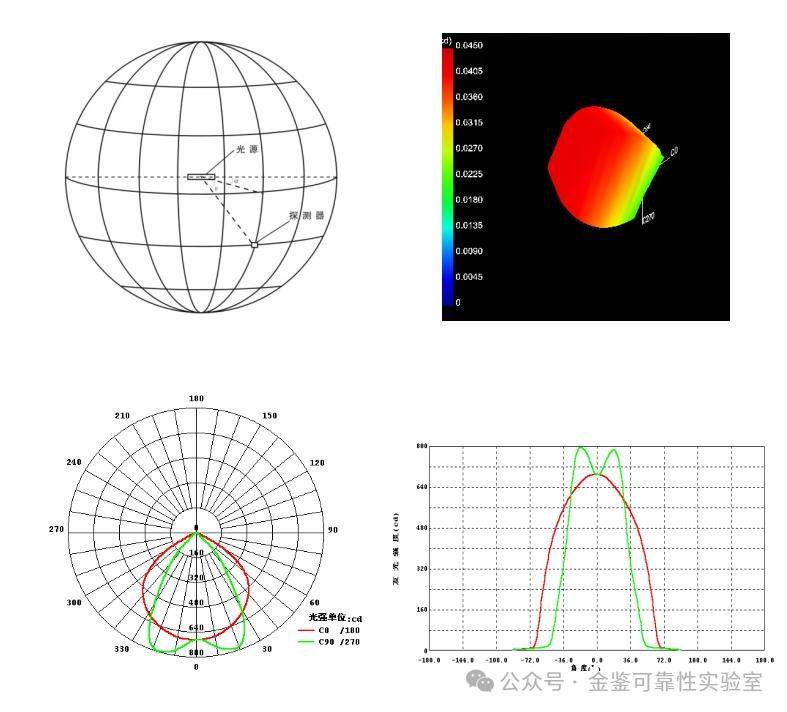
(the light curve reflects the spatial light distribution of light sources or lamps)
When the light glows, the light is directed in all directions. For people to use light sources to achieve the desired lighting, specific institutions are needed to control the light, and the spatial distribution of the light is reoriented so that it can be distributed in space to the required condition, which is the use of light。
How does the led spectrum differ from that of other lighting lamps
Spectra is a pattern of single-colour separated light in order of wavelength (or frequency) size after the light is separated through a colour-scattered system (e. G., prism, raster), all referred to as optical spectrum. The entire electromagnetic spectrum includes radio waves, infrared, ultraviolet and x-rays. They have different wavelengths, and the largest proportion of the visible spectrum in the spectrum is a visible part of the electromagnetic spectrum, where the wavelength between 400 and 760 nm is the general visible light。
Most of the leds are currently inspired by one or more fluorescent powders from blue-ray chips, which eventually result in white light from a mixture of blue-ray and fluorescent powder. Thus, the general led spectrum has two or more peaks, while the other wavelength ranges are relatively low in radiation intensity。
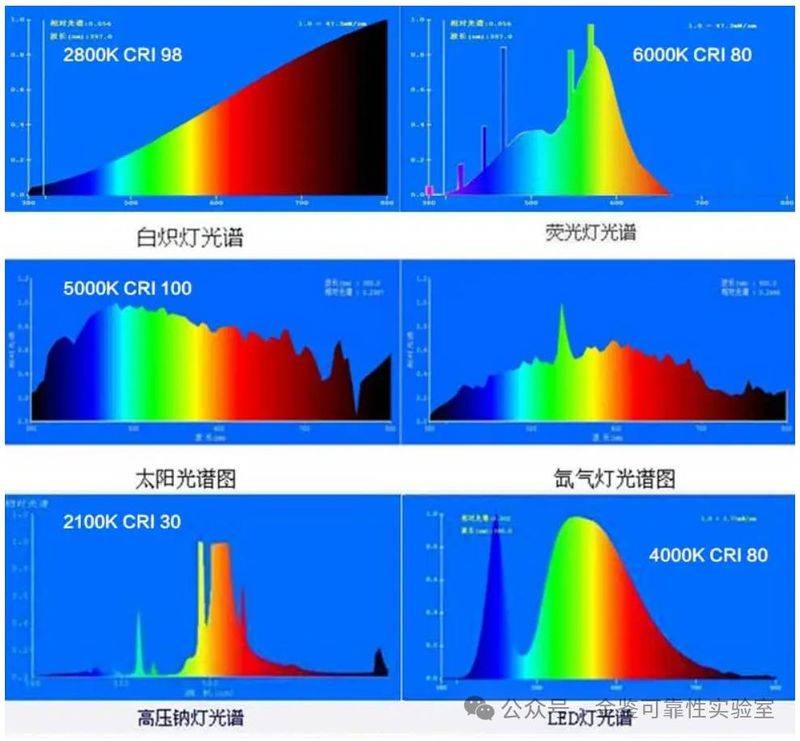
(different spectrum of led spectra and other lighting lamps)
What's color temperature? How does different color temperatures feel
Colour temperature is a measure of light source surface light (colour table). When the colour of light is the same as that of the light in bold at a certain temperature, the bold temperature at that time is defined as the colour temperature of the light source, expressed as absolute k. Because the light from most lighting sources is commonly referred to as white light, the colour surface temperature of the light source, or associated colour temperature, is used to describe its relative whiteness in order to quantify the light expression of the light source. The bold curve (black body locuss) on the cie coordinates shows the process of bold in red - orange - yellow - yellow - white - blue as shown in the figure below。
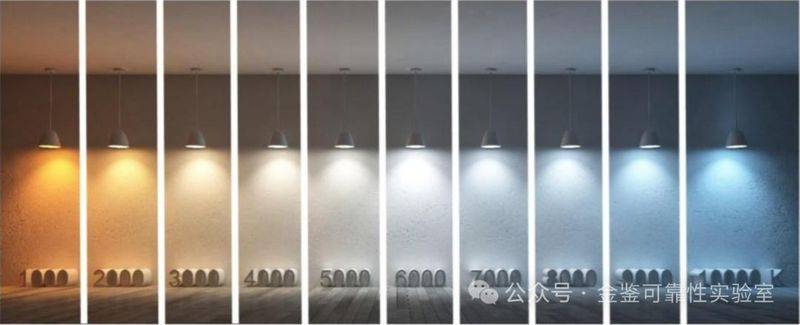
♪ i feel different ♪
The light is warm and the light is different: the higher the color, the more the light is blue and the more the light is called cold white; the lower the colour, the more the light is red and the more the light is called warm white light. The colour temperature is stable, warm and warm below 3,300 k; the colour temperature is 3,000-5,000 k is medium, and it feels good; the colour temperature is cold above 5,000 k, and different light colours from different sources make up the best environment。