Eating habits are relevant to children's health and should receive adequate attention from parents. Some parents, out of love, have long been unprincipled to conform to their children's irrational eating habits, which is an important reason for children to choose to eat. As a result, children are deprived of sound nutrition that promotes growth and development, creating polarization — malnutrition and obesity — both of which have nutrient problems。
For parents and children
We'll have good eating habits
Summarized as "7"
Let's get this over with
I. To eat diversified food
Don't pick and eat
There is no food in the world that provides all the nutrients that the human body needs, and it is important to eat diversified foods, and any selection or preference will impede our access to comprehensive nutrition。
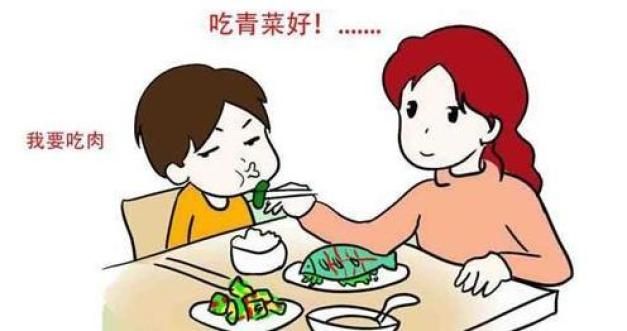
Some children are singled out for individual foods, and parents may choose other foods from the same nutrient, but serious selection, preference, etc., must be corrected. The daily recipe should include five nutrients, one of which is indispensable。
Ii. Eating all kinds of food in a balanced manner
Don't eat too much, don't eat too much。
Different foods have different nutrients, and the body has a quantitative requirement for all types of nutrients, which is impossible to consume more or less. If we like to eat more, if we don't eat less, and if we look at the variety of foods, there are deviations in the quantity of nutrients that disrupt the nutritional balance。
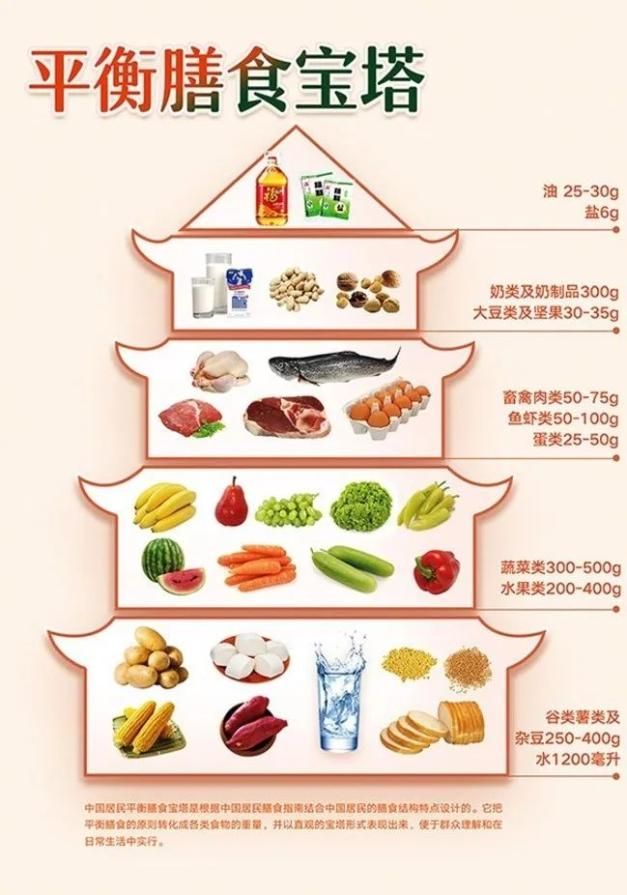
We should take food at all levels in proportion and pay attention to the mix of the same group of foods, such as coarse, dark and light vegetables, fish and meat。
Iii. Eat on time
Don't eat snacks in the dining room
Three meals a day are our main channel of ingestion of nutrients and correspond to the physiological characteristics of the human digestive system. If you eat extra snacks in the dining room, it affects the amount of food you eat when you eat。
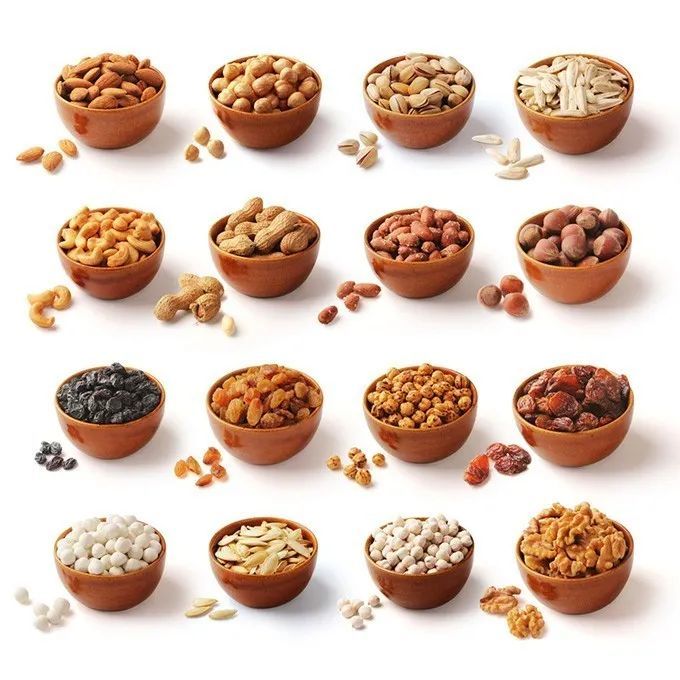
Some students often buy food from roadside vendors after school hours in the afternoon, but not only do they have a simple nutritional component, but most of them have health problems. Parents can prepare after-school snacks for their children at home, but not in sufficient quantities。
Iv. Three meals of hunger and modesty, not to eat or
Don't eat breakfast or lunch
Thermal energy for three meals a day should be 30 per cent each, and for lunch 40 per cent. Failure to eat breakfast, or less, affects health, reduces physical strength and affects normal activity in the brain。
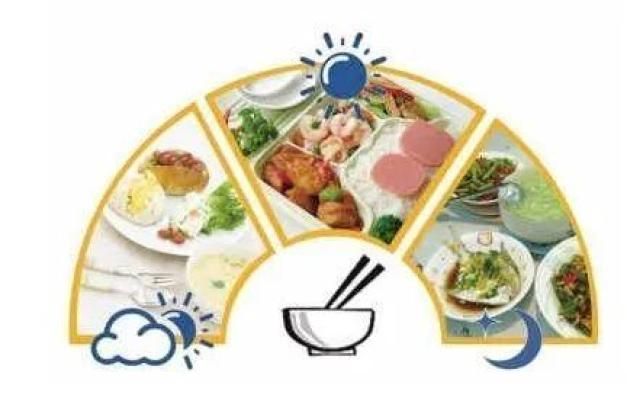
If you eat a little lunch, you'll overeating dinner. In addition, holidays and family parties should be properly fed, rather than eating or swallowing, which would impair the normal digestive function of the gastrointestinal tract and even cause vomiting or indigestion。
V. Eat a light diet
Don't like fried, sweet ice cream
And high-energy foods like sugar beverages。
More than 1/2 of the total children's heat in one day should come from food and 1/6 from proteins, with one quarter of the heat derived from grease。
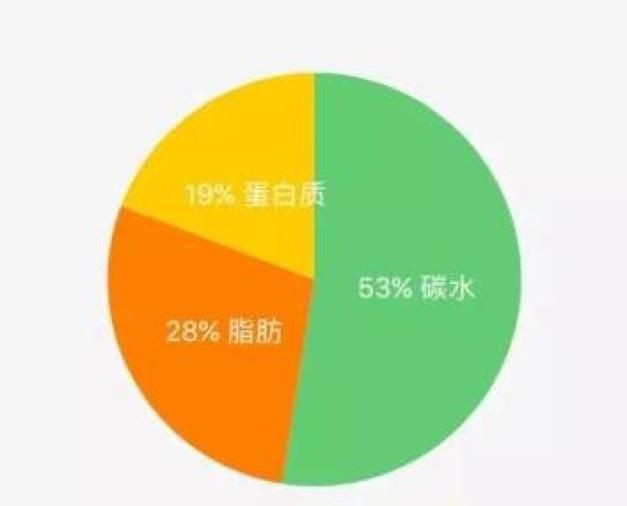
Over-ingestion of heavy-oiled food or sugar not only leads to over-ingestion of thermal energy, which increases significantly the risk of modern civilized diseases such as hypertension, hypertension, obesity and coronary heart disease among children, and is difficult to digest because of their indigestion, but also causes digestive diseases such as constipation and stomach inflammation due to lack of dietary fibres。
6. The choice of food suitable for their own health
Don't pick food by taste alone。
Food can feed or hurt. For example, consumption of cold foods by children with cold tempers can cause gastrointestinal discomfort or diarrhoea, and children with higher internal heat prefer fried foods or lamb-fired pots often cause ulcers or defecation. This is due to the fact that food properties are not consistent with the health of children。

Parents should be aware of the warm properties of food, provide food consistent with the child's health and adjust food to seasonal changes。
Vii. A civilized meal, not while eating
Watch tv, read books, play or talk loud
Eating in a quiet environment, fostering the habit of chewing slowly, and listening to music that is relaxed helps to keep people happy. Parents can combine their meals at the table with words that promote children's appetite or provide information about nutrition。
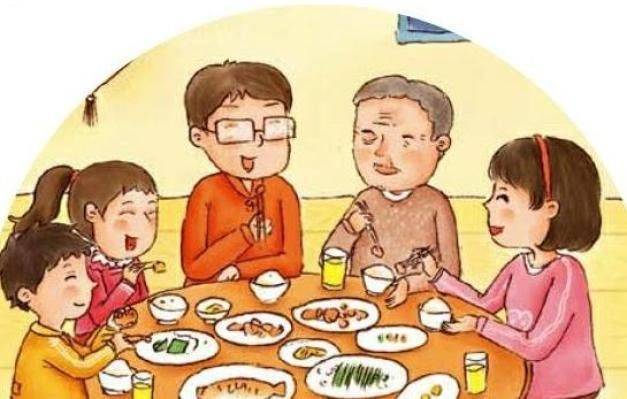
The table was not a place for correcting children's poor eating habits, and regular education should be strengthened and children should not be reprimanded during meals。