Road rescue vehicles face serious multidimensional challenges in their rescue of large trucks, such as their own characteristics, complex environments and operational risks. Large trucks are generally characterized by heavy loads and loads, which place very high demands on the carrying capacity and pull of rescue equipment. Some of the trucks are of high steel intensity and, in the case of accidents, it is often difficult for ordinary tools to operate efficiently and the heavy weight is unstable, and minor inaccuracies in the rescue process may trigger a side flip。
At the same time, the complexity of the design of the truck circuit system due to model differences, the large capacity of the battery and its covert location make it more difficult to screen for failure and assist with start-up. In addition, harsh weather conditions, such as heavy rains, wind disruptions to rescue operations, complex terrain such as mountain roads and mudslides can not only lead to distress for rescue vehicles, but also limit the choice of a pull angle, and weak communication signals on remote cargo routes can also affect the coordination of relief personnel, further increasing the complexity and risk of relief。
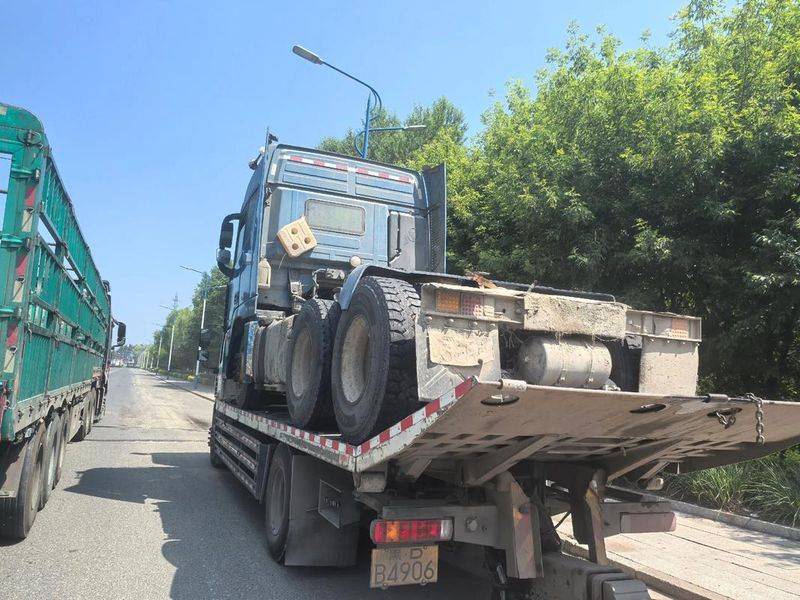
The load status of large trucks is a variable that cannot be ignored in the rescue, given the nature of the vehicles. Trucks full of cargo can have a total mass of up to several dozen tons, well above normal domestic vehicles, which requires adequate pull and carrying capacity for rescue equipment. Some of the trucks are made of high-strength steel, and in the event of a deformation as a result of a collision, conventional breaking tools may not be able to quickly open the rescue route and require specialized hydraulic breaking equipment to operate effectively。
In addition, the different types and configurations of the truck's circuit systems, the size and location of the batteries, and the need for rescue personnel to be familiar with the layout of different types of vehicles in order to accurately identify fault points and enable them to be activated, undoubtedly make rescue technical difficulties. Complex rescue environments also pose many challenges to relief efforts。
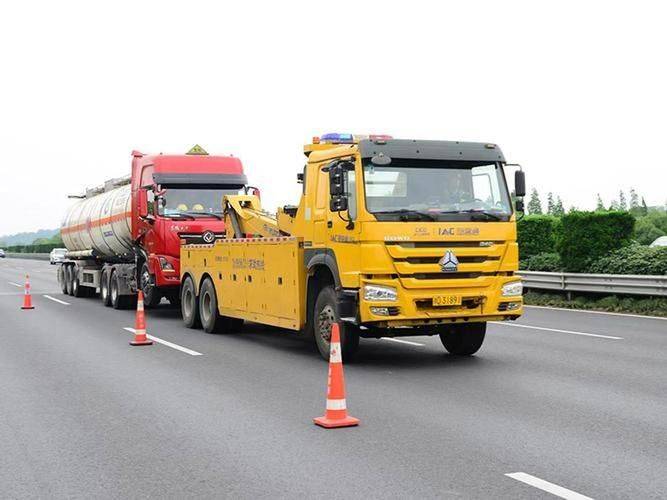
On mountain roads, rugged terrain and narrow terrain limit the movement and operational space of rescue vehicles, and rescue workers need to develop optimal rescue programmes under limited conditions. The mud section is even more difficult, as trucks may slide into mud as they travel, while rescue vehicles may be difficult to approach or pull because of insufficient ground effort。
In addition, remote cargo routes often lack well-developed infrastructure, communication signals are weak and communication coordination among relief personnel may be affected, leading to reduced relief efficiency. Poor weather, such as heavy rains and wind, can also make relief more difficult. Rainwater can lead to the wetness of the roads, increasing the risk of vehicle spin-off, and wind may affect the stability of relief equipment。
Operational risks are a constant need for vigilance in the rescue process. In the course of the rescue, there is a risk of secondary damage to the truck and additional maintenance costs if it is not properly operated. For example, the inappropriate use of inappropriate towed tools or towed angles may result in damage to components such as chassis, frame, etc. Of the van. At the same time, there may be other potential risks at rescue sites, such as leaks of fuel fuel, the release of cargo, etc., which require close attention and timely handling by relief personnel during the rescue process。
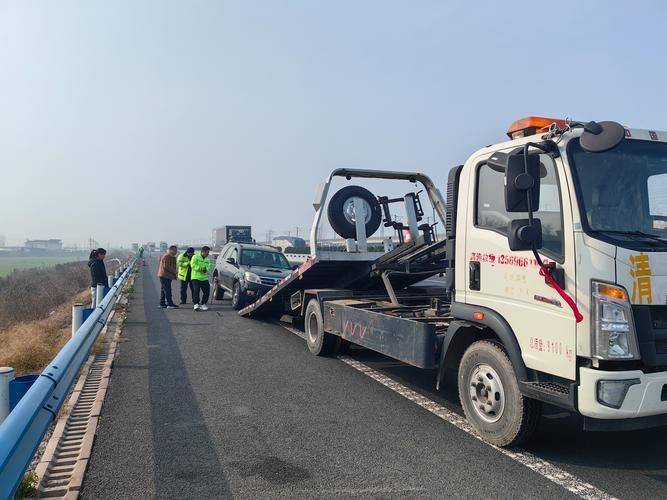
In addition, large trucks are likely to flip in the course of rescue, threatening the lives of relief workers. As a result, relief personnel require extensive experience and professional skills to operate in strict compliance with operational protocols to ensure the safe conduct of rescue operations。
In summary, road rescue vehicles face multiple challenges in their rescue of large trucks, such as their own characteristics, complex environments and operational risks. These challenges are intertwined, adding to the difficulty and complexity of the relief effort. In order to improve the efficiency and security of relief operations, relief personnel need to continuously upgrade their professional skills, equip themselves with advanced rescue equipment and strengthen collaboration with the relevant departments. At the same time, truck drivers should be careful about the safety of the vehicles and regularly maintain the vehicles to reduce accidents. Only by working together can the challenges of large truck rescue be better addressed and road traffic safety guaranteed。