To uncover the mystery behind user behaviour, explore the essence of user behaviour theory, and provide experts in the data analysis industry with methods and techniques for in-depth insight into user behaviour。
Concept and meaning of user behaviour theory
User behaviour theory refers to the theoretical system of research into user behaviour patterns and decision-making processes in a given environment. It provides a scientific basis for business decision-making and product design by analysing the behaviour data and psychological characteristics of users and revealing the motives and purposes behind user behaviour. Research on user behaviour theory is important for enterprises to improve user experience, optimize product design and improve market competitiveness。
Basic assumptions of user behaviour theory
Reasonable behaviour assumptions: users are rational in making decisions and choose according to the principle of maximizing their own interests。
2. Incompleteness of information: users have limited access to information for decision-making and are therefore able to make decisions based on their own experience and judgement。
3. Consistency assumptions: user preferences are relatively stable and they are subject to consistent choices in different contexts。
Main models of user behaviour theory
1. Anticipatory utility theory: it is assumed that users will weigh the desired utility of different options in their decision-making and select options that can maximize their effectiveness。
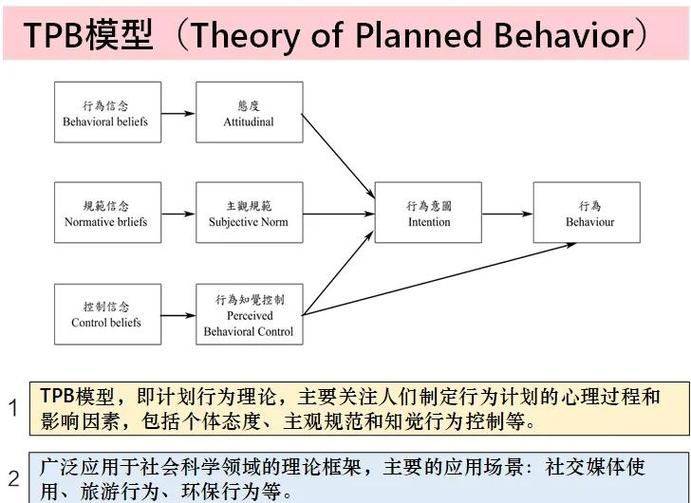
2. The doctrine of intent: the doctrine considers that the intent of the user is influenced by three factors: personal attitudes, subjective norms and the control of the act of perception。
3. Technology acceptance model: the model considers the degree of user acceptance of new technologies to be influenced by perceived usefulness and ease of use。
Application of user behaviour theory
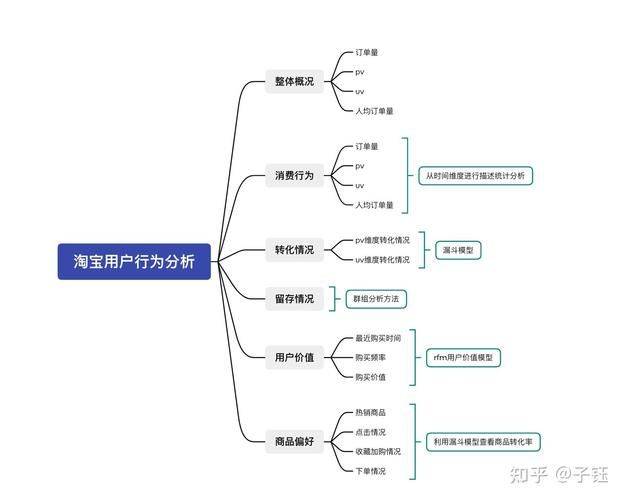
1. User image analysis: through analysis of user behaviour data, user images can be created, user interests, preferences and needs understood, and enterprises can be provided with accurate marketing strategies and individualized product recommendations。
2. Optimization of user experience: through observation and analysis of user behaviour, it is possible to identify the pain points and needs of users in the use of the product, thus optimizing its design and functionality and enhancing the user experience。
3. Market competition analysis: through the analysis of user behaviour data, it is possible to understand the popularity and user satisfaction of different products in the market and to provide a basis for enterprises to develop market competition strategies。
User behaviour theory is an important theoretical basis for the data analysis industry, which can provide the firm with a scientific basis for decision-making through an in-depth study of the motives and purposes behind user behaviour. In an increasingly competitive market environment, mastery of user behaviour theory and insight into user needs will be key to business success。