Brief description:
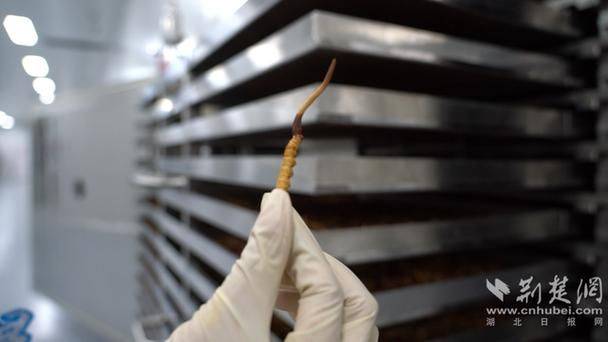
The winter worm summer grass is a second-class endangered species in our country, which has the effect of supplementing the lungs with kidneys and sepsis. Because of its good nourishment and scarcity of wild resources, markets are short of demand, prices are high, and false products continue to flourish, seriously affecting the healthy development of industries. The government has for decades focused on supporting research projects on the production of summer grass and winter worms. The company's 2007 project for large-scale industrial production of winter worms and grasses was launched, and the team, through years of scientific research, managed to achieve large-scale industrial production of winter worms and grasses in 2012 through technical difficulties. The collection of wild insect and bacterial species in the tibetan highlands and the hosting of insect farming, infestation and weeding at industrial breeding sites in the plains have resulted in the production of winter insect summer grass. The extension of the project can alleviate the risk of winter worm summer grass resources at source and contribute to the healthy development of the winter worm summer grass industry. The main findings of the project are as follows: (1) industrial production of summer grass for the first time in the winter insects was achieved and the problem of heavy metals and arsenic for the winter insects was resolved through an original breeding process. A. For the first time, large-scale insect insect breeding techniques have been established, including, inter alia, large-scale breeding techniques and larvae breeding techniques; b. Has pioneered large-scale, high-density wild winter grass breeding techniques, including: bacterial collection, bacterial screening, bacterial resistance to degradation, and bacterial expansion techniques; c. Has creatively established winter infestation techniques; and d. Has first established large-scale weeding techniques for winter grass. (2) an in-depth study of the mechanisms for the formation of summer grass and winter worms was carried out. A. High-resolution fluorescent microscopes to track the patterns and pathways of filamental infestation into insects; b. Mastering techniques for species identification, stock analysis, inter-species selection, early warning of degradation and large-scale autonomous intergenerational reproduction. (iii) conducting engineering studies on the field of winter insects and herbs, and mastering certain techniques for the field of winter insects and forage cultivation. (4) rigorous criteria have been established for the quality of winter worm summer grass, and a comparative study of the quality of winter worm summer grass and wild winter grass has been carried out in a systematic manner, including in the areas of base sources, molecules, appearance, micrometry, fingerprint mapping and pharmacological toxicological evaluation, and it has been confirmed that the summer grass of winter worms is broadly consistent with the summer grass ingredients and efficacy of wild winter worms. An innovative collection of winter worm summer grass has also been developed. The project's standardized, scalding and industrialized production methods for winter worms ensure the quality of the product from the source, and the whole production process is manageable, eliminating the problem of winter worms with heavy metals, agricultural residues and arsenic. The project has applied for 16 invention patents, of which 7 technology patents have been authorized, 22 scientific papers have been published and 2 projects funded by the provincial ministries and above. The project technology has been successfully applied to industrial production at ii chang city waterside winter worm, ltd., which produced 1. 5 tons in 2013, 2. 5 tons in 2014, about 5 tons in 2015, and a cumulative sales revenue of 1,241 million yuan in 2012-2015, with a profit of 721 million yuan. More than 1,000 jobs were filled, leading to around 500 local farmers. The implementation of this project provides a new avenue for the sources of summer grass for winter worms, which will ease overdependence on wild resources and will also contribute to the conservation of the ecological environment of the summer grass-producing areas of winter worms and the sustainable use of the summer grass-breed resources of winter worms。