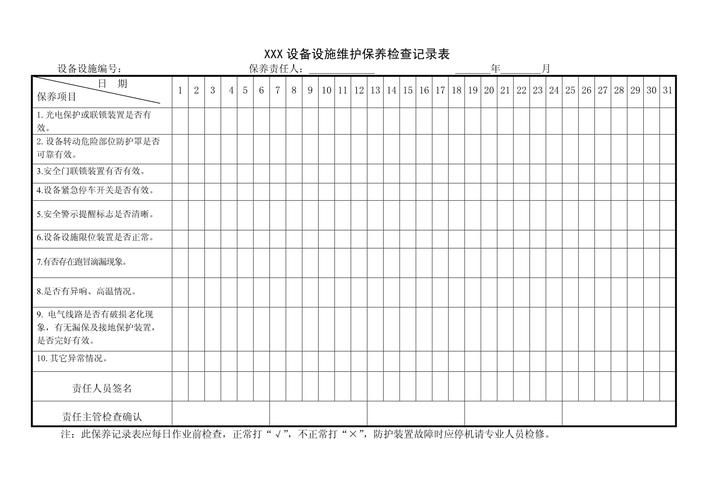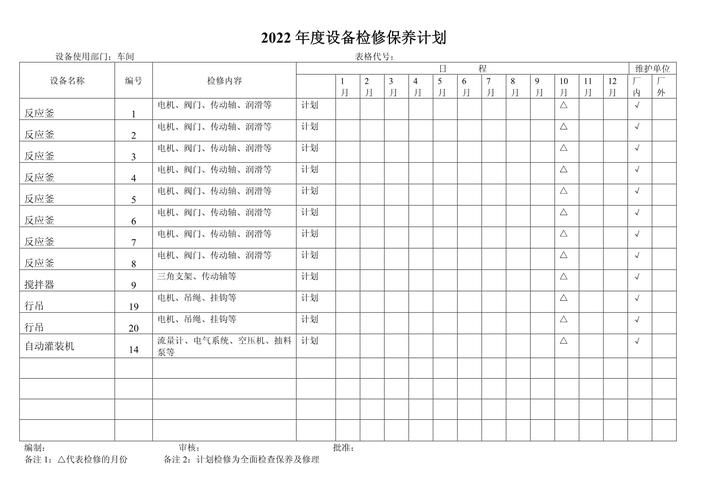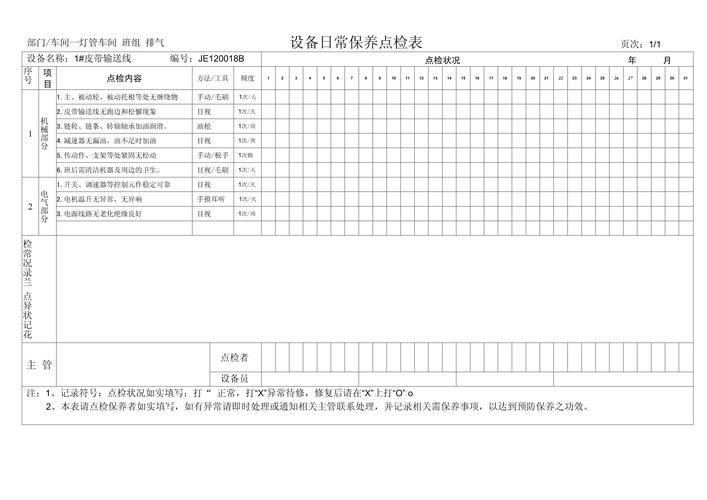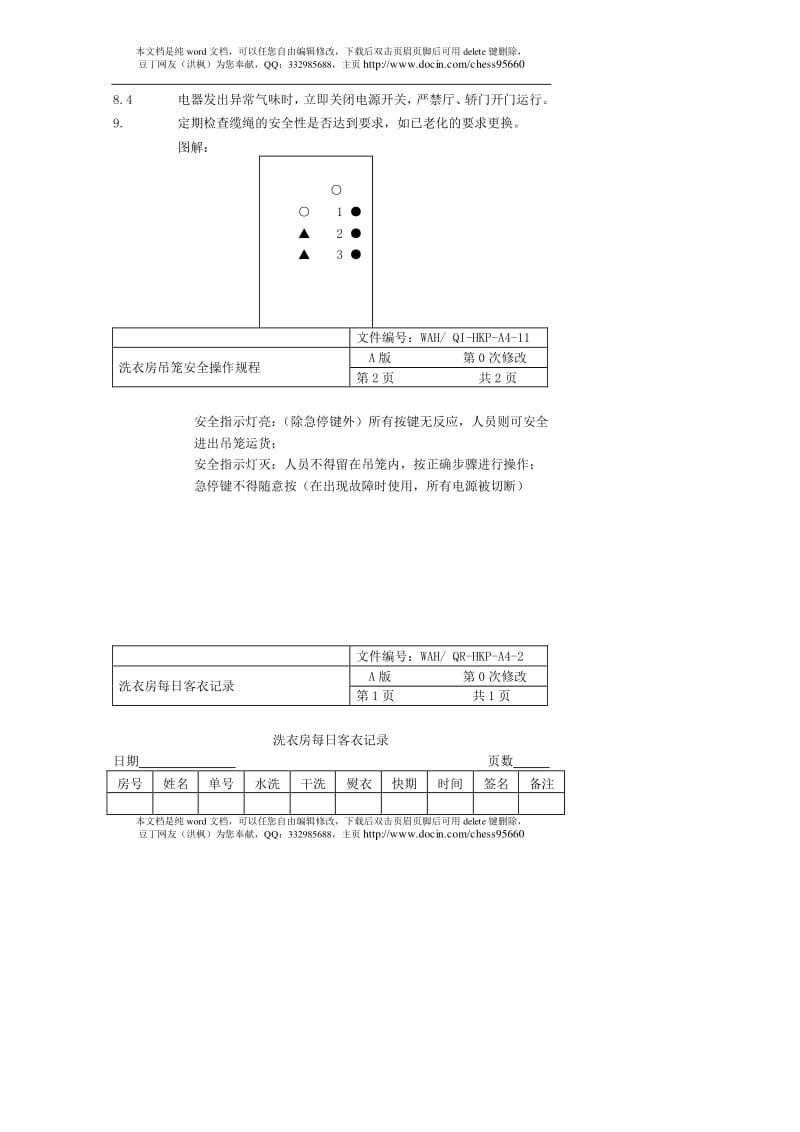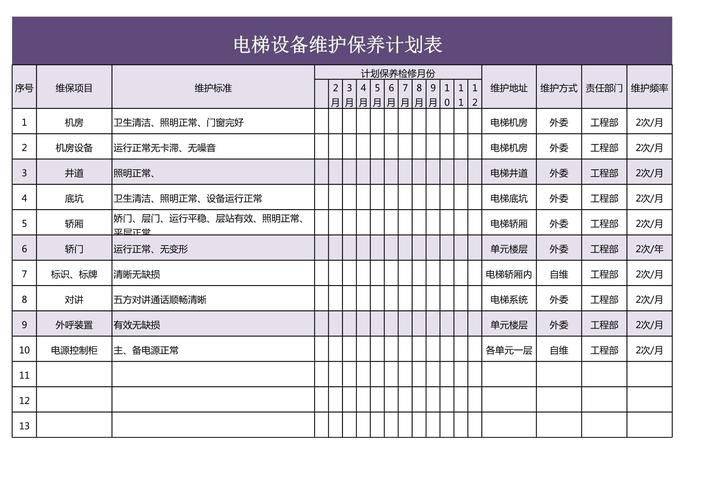
The first chapter of the elevator maintenance system establishes the maintenance system in order to ensure the safety, proper operation and quality of elevator equipment, to improve the working life of elevators and to ensure the safety of passengers. The purpose of this system is to regulate the maintenance of elevator equipment, improve the level of management, reduce malfunctions and ensure the safe and reliable operation of elevators, in accordance with the relevant national laws and regulations, industry standards and internal company regulations. Chapter ii applies to the maintenance of all elevator equipment of the company, including but not limited to passenger elevators, cargo elevators, barrier-free elevators, etc. All departments and associated personnel involved in elevators are subject to the system. The main objectives of the maintenance of the targeted elevator equipment in chapter iii include: 1. Ensuring that elevator equipment remains in good condition during its operation and that passengers are safe. Reduce the incidence of malfunctions and extend the useful life of elevator equipment. 3. Improve the efficiency of elevator equipment and reduce energy consumption. 4. To ensure compliance with safety standards in compliance with national and industry laws and regulations. Chapter iv regulates the maintenance of elevator equipment according to the following norms: 1. Periodic inspection: based on the use of elevators, a periodic inspection plan is established to ensure that inspections are carried out on time, including mechanical, electrical, safety, etc. 2. Records management: for each maintenance, maintenance records, including inspection of the project, discovery of problems, processing and recommendations, are completed and maintained in a complete, factual and appropriate manner. 3. Spare parts management: for the spare parts for elevator equipment, a sound management system should be put in place to ensure the quality and stock of spare parts and to avoid the disruption of maintenance owing to the shortage of spare parts. 4. Security measures: maintenance must be carried out in strict compliance with safety protocols to ensure the safety of personnel and avoid accidents. The maintenance process for the operation of the process elevator equipment in chapter v for maintenance should include the following steps: 1. Plan development: an annual, quarterly and monthly maintenance plan with clear maintenance content and timing, depending on the frequency and operation of the elevator. 2. Conduct inspections: in accordance with the maintenance plan, specialized technicians are organized to conduct a comprehensive inspection of elevator equipment, focusing on elevator safety, operational status, mechanical structure and electrical systems. 3. Discretion management: when malfunctions are detected in the course of an inspection, they should be processed in a timely manner, and failure and their results recorded. In the event of a serious malfunction, the elevator operation should be stopped immediately and the personnel concerned informed of the maintenance. 4. Recording: upon completion of each maintenance, the maintenance record shall be completed and shall include, inter alia, the inspection, the discovery of problems, the treatment programme and follow-up recommendations. 5. Archiving of information: maintenance records need to be filed in time for subsequent access and audit. Chapter vi oversight mechanisms are necessary to ensure the implementation of maintenance systems: 1. Division of responsibilities: clear lines of responsibility for maintenance work across departments and ensure accountability. 2. Periodic review: the organization regularly reviews maintenance records, reviews maintenance records, checks compliance and identifies problems for timely correction. 3. Performance assessment: performance evaluation of maintenance work, whereby the person concerned is rewarded and disciplined to motivate him or her to perform his or her duties. 4. Feedback mechanism: establish maintenance feedback mechanisms to encourage staff to make suggestions for improvements, adjust maintenance work in a timely manner and improve work efficiency. Chapter vii by-laws, which are interpreted by the integrated management department, are implemented from the date of promulgation. The system is periodically reviewed and revised to ensure its effectiveness and applicability in the light of actual circumstances and changes in legislation. The maintenance of elevator equipment is a systematic, professional exercise that requires close cooperation between the relevant departments and personnel to ensure the safe and stable operation of elevators. The safe and easy movement of passengers is ensured through the establishment of a robust maintenance system to upgrade elevator management。