My rural family, who grew a lot of corn in the back of the hill, asked her if the maize cores that you had beaten were going to be lost anywhere to contaminate the environment and health, and she told me that as new rural cultivation became widespread, they also learned to become spoiled。
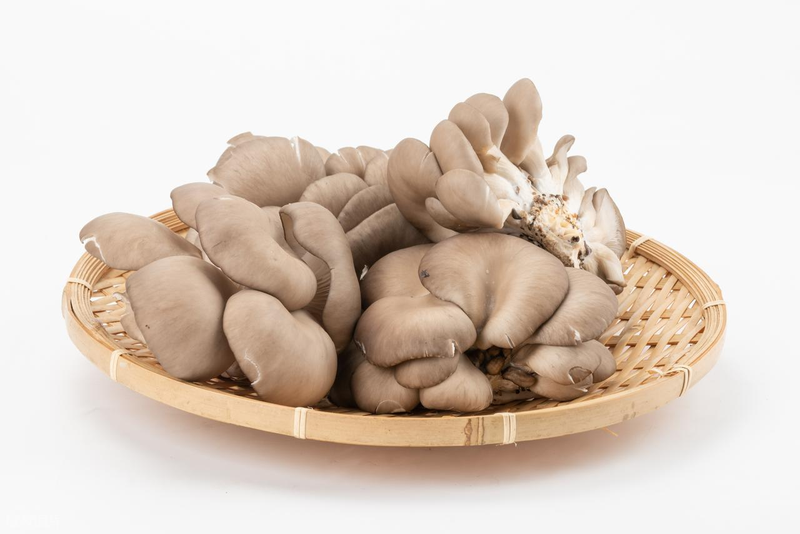
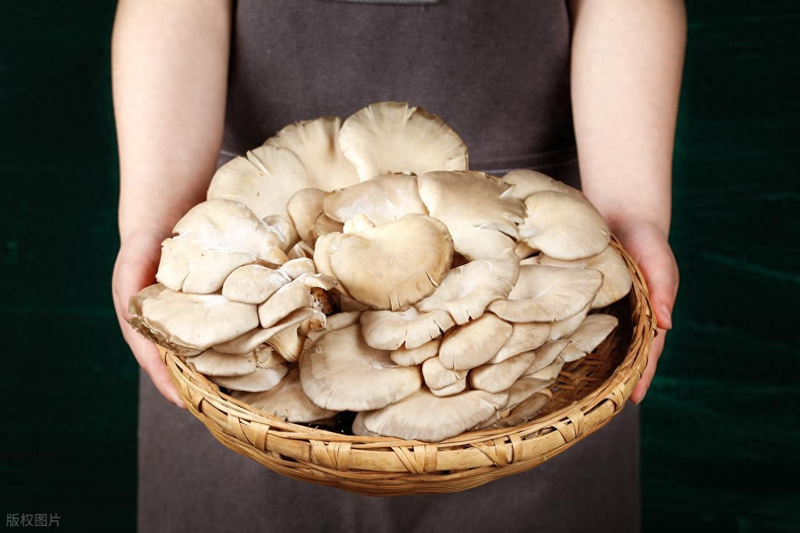
She talked to me about growing mushrooms with corn cores. In rural areas, corn cores are everywhere, and they are used to plant mushrooms, which are low-cost, large and hygienic。
I'm going to share with you the planting methods i've found。
I. Pre-preparatory preparation (approaching mushrooms, pre-preparation critical)
First step (container leakproofing): i usually find some stacked film, and i carefully prepare the containers for mushroom planting (i suggest 1mx1. 5mx1m containers here), which will effectively prevent leaks during subsequent water recharge. Once the container is handled, water is added to it, which is the key to the immersion of maize cores。

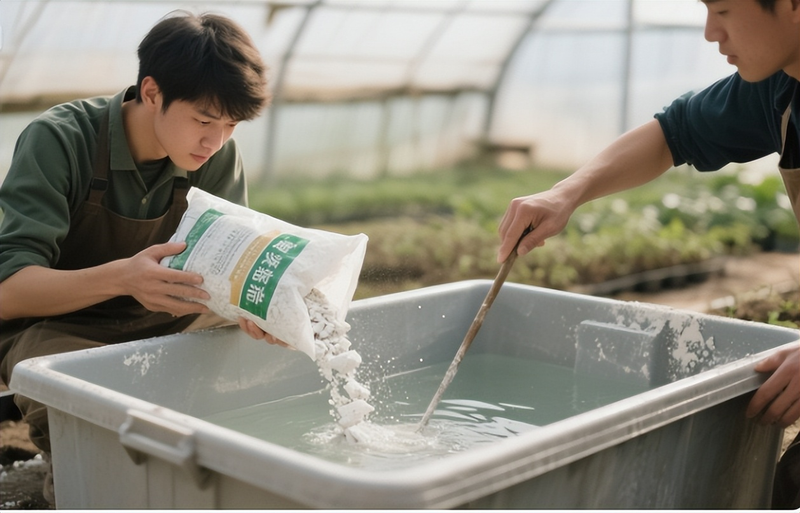
Step two (preparation of lime water): i will make lime water, slowly pour it into the water, and then mix it with one another until it is fully dissolved and becomes a suitable concentration of lime water。
Step three (dealing with corn cores): then pour the ready dry corn core into limewater, then press it with a wooden stick so that they can be fully immersed in limewater。
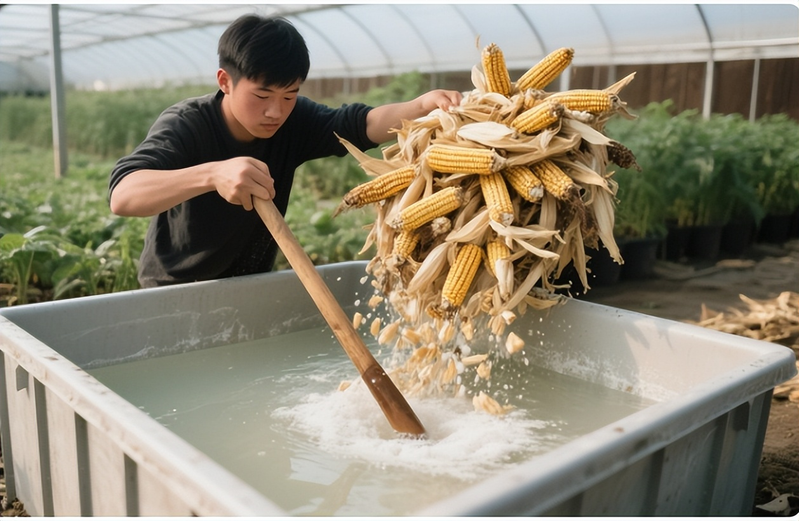
Step four (blowing corn cores): this bubble has to be bubbled all day to allow maize cores to fully absorb moisture, while limewater also acts as disinfectant microbicide and creates a good environment for subsequent mushroom growth。
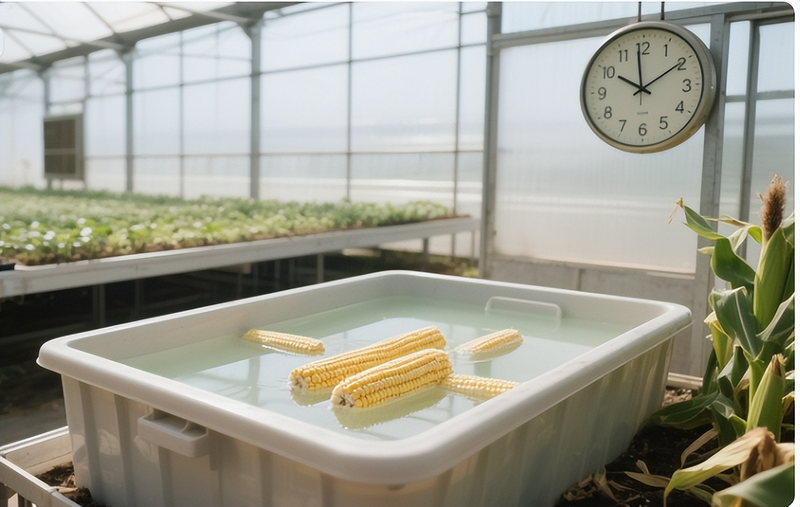
Step 5 (blubber maize core): after the immersion has been completed, the maize core is extracted and placed on the side of the water for half an hour and the excess water is dryed。
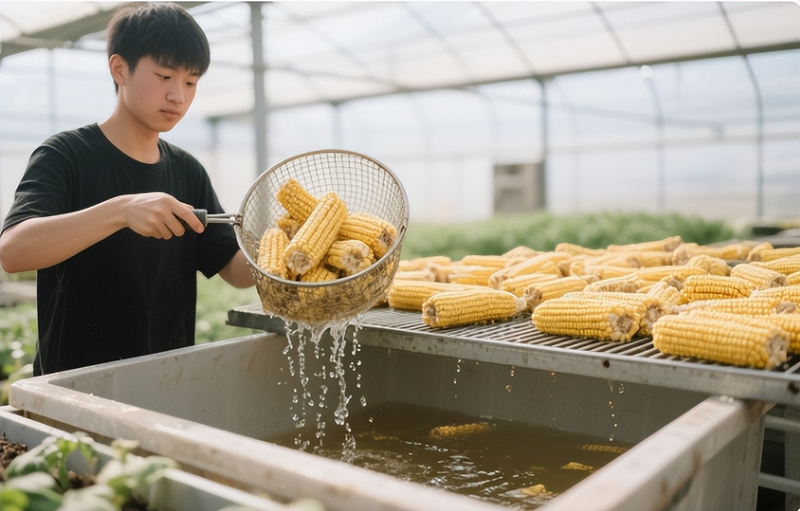
Ii. Cultivation is done in a step-by-step manner
First step (to lay corn cores): i'll put the corn cores in a well-processed container, first with a floor at the bottom, and then i'll lay them as flat as possible。
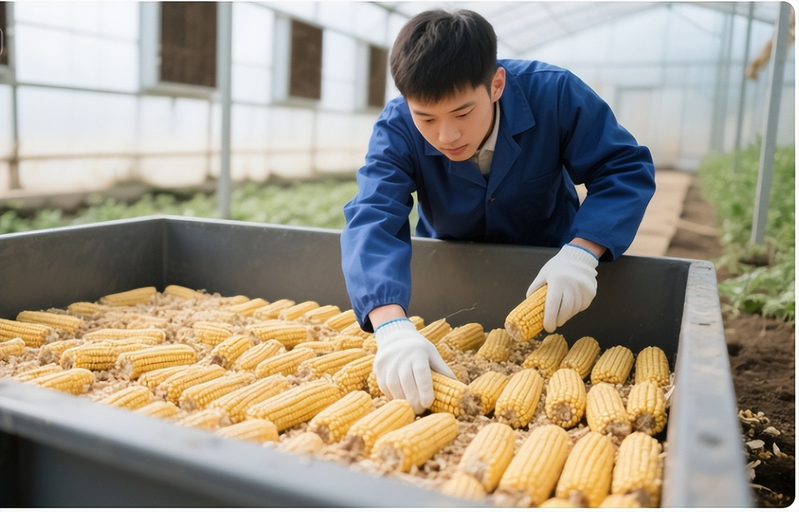
Step two (sapling): when the corn core is prepared, it's soaked, and i will carefully spread it evenly over the corn core。
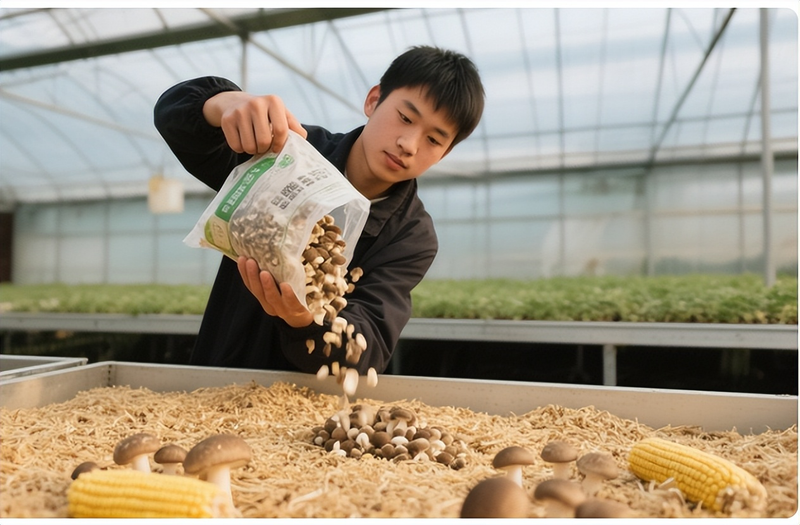
Step three (with a five-storey corn core): then a corn core is laid, followed by a bacterial seed, so repeated. Normally, i'll lay five layers of corn cores and spread five layers of bacteria. Each layer must be careful to operate in such a way that maize cores and bacteria are in full contact, thereby facilitating better growth and reproduction。
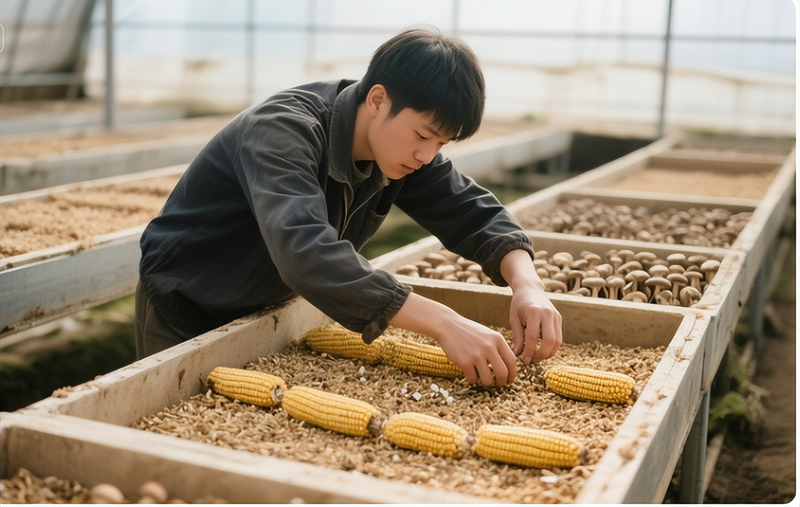
Step four (seal of thin membrane): when all the spread is completed, the entire container is covered with thin membrane, which is like building a small greenhouse for mushrooms to grow, maintaining internal humidity and temperature stability, and then waiting patiently for the process to last approximately 3 - 4 months。
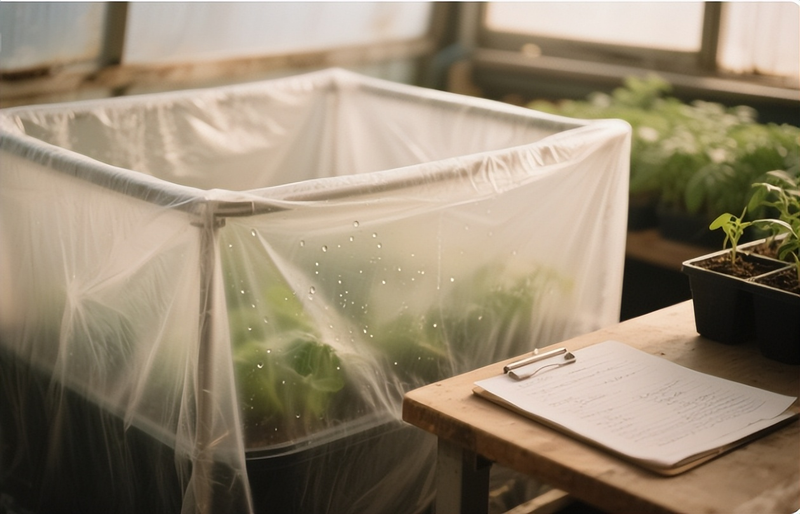
Iii. The management of mushrooms needs to be considered (in these 3 - 4 months, it is often observed that when the fungus is seen to be full of whole containers and the fungus is covered with corn cores, it reaches the mushroom management stage
The first step (stamping membrane): i'll lighten up the covered membranes with bamboo poles, leaving enough room for mushroom growth. When the mushrooms are out, the film is opened to allow the mushrooms full access to the outside air。
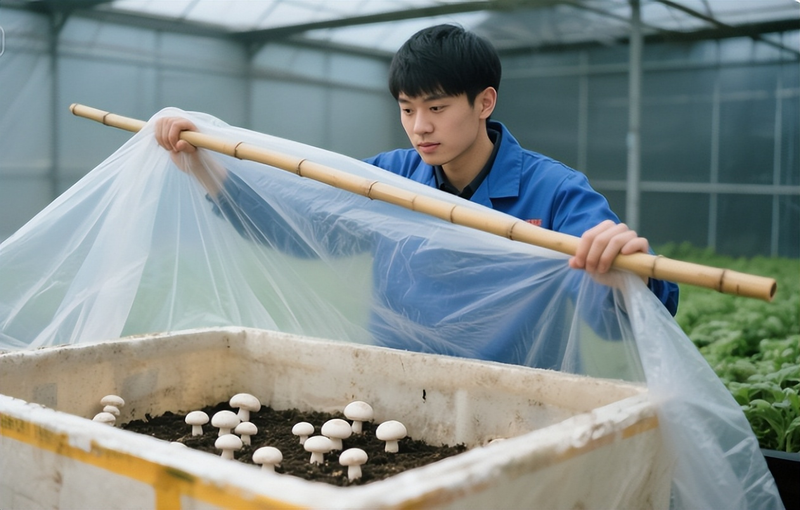
Step two (natural mushroom time): in my experience, spring is a good time for mushrooms, and in this season the third day of mushrooms can grow up. And when the temperature rises, the mushrooms grow faster。
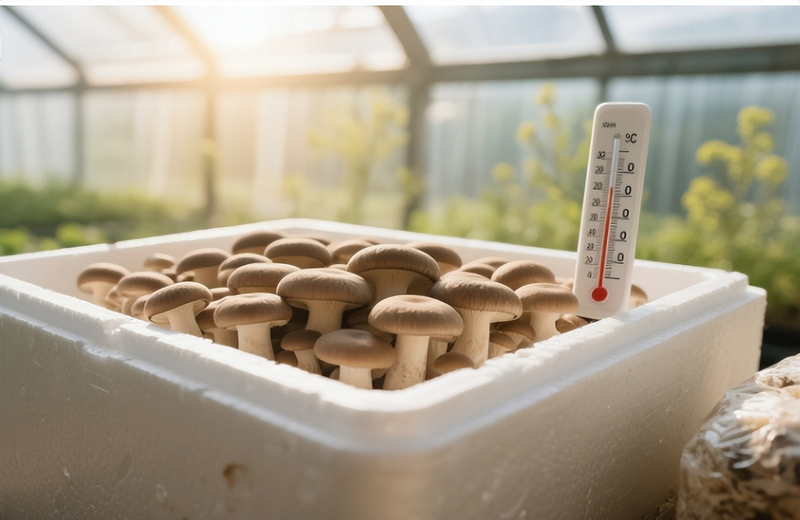
Step 3 (manual fungus time): if artificially controlled temperatures allow mushrooms to come out, it is perfectly feasible, as long as the temperature is within the range suitable for mushrooms to grow, generally 15 - 25 °c is the more appropriate temperature range。
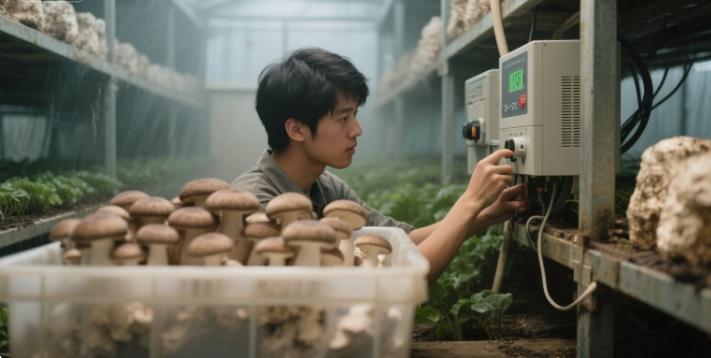
Step four (temperature and humidity of mushrooms): during mushrooms, care is also taken to maintain environmental humidity, properly spray water and keep air moisture at 85-95%, so that mushrooms grow big and good。
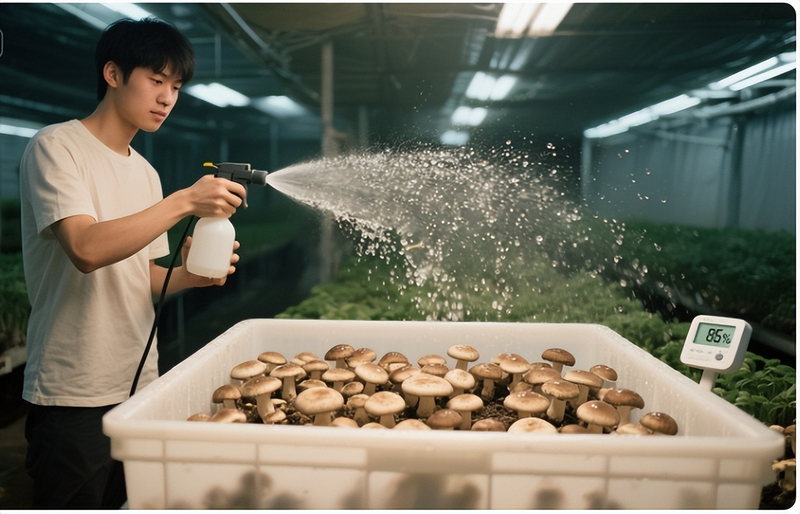
Cultivating mushrooms with corn cores would yield delicious mushrooms if the critical elements of preparation, planting operations and mushroom management were managed well。
Let's try the mushrooms we planted. It's more reassuring and delicious