


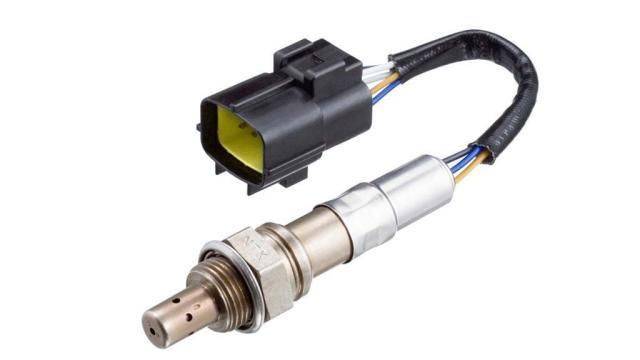
In the complex parts system of cars, oxygen sensors, like a low-key behind-the-scenes hero, are silently guarding tail gas emissions and engine performance, but their importance is often ignored by the vast majority of car owners. Despite its small size, it has the dual task of regulating engine combustion efficiency and cleaning gas, with profound implications for the environmental performance and power performance of cars。
Aerobic sensors are usually installed on vehicle exhaust pipes, the central function of which is to monitor the oxygen content of the vent in real time and to provide feedback to the electronic control unit of the vehicle (ecu). Eu based on data provided by an oxygen sensor, precision regulates the amount of oil sprayed to ensure that the hybrid gas in the engine is maintained at the optimal empty flame ratio. In short, the ratio of empty combustion is the ratio of air to fuel, which directly determines the combustion efficiency of engines. Theoretically, the ideal empty combustion ratio is about 14. 7:1, at which rate fuel can be fully burned and engines can both export strong power and minimize harmful substances in tail gas. Aerobic sensors are like a “smart scale” that weighs the ratio of air to fuel at all times and safeguards the optimal working state of the engine。
When oxygen sensors fail, a series of visible signals are released. The most visible manifestation was a significant increase in vehicle fuel consumption and a decrease in engine power. Due to the inability of the oxygen sensor to provide accurate feedback on the oxygen content of the vent, the euu lost the basis for the precise regulation of the spray volume, resulting in overheating or thinning of the mixture. Over-heavy gas, incomposed fuel, incompetent fuel combustion, waste and natural increase in fuel consumption; and over-combined gas, inflating engine combustion and power output. In addition, oxygen sensor failure is a common symptom of exhaust emissions overcaling. At this time, the levels of harmful substances such as carbon monoxide and hydrocarbons in car exhausts have risen dramatically, not only polluting the environment, but may also lead to the failure of vehicle annual checks。
In the maintenance of oxygen sensors, the owners of the vehicles need to be particularly careful to avoid falling into the wrong zone. Some repair shops may seek high profits by persuading owners to replace completely new sensors where the oxygen sensor is only surface carbon and has not yet been completely damaged. Indeed, for oxygen sensors with reduced performance due to carbon accumulation, professional cleaning often leads to a return to normal work. There are also undesired businesses that replace the original plant with sub-filling, with poor quality by-product oxygen sensors. These by-products are significantly different from the original plant in terms of accuracy and durability, which may lead to long-term engine instability and even more severe damage。
In day-to-day maintenance, the owner of the vehicle may extend the service life of the oxygen sensor by a number of simple measures. Avoiding the use of poor-quality fuel, which contains more impurities, makes it easier to accumulate carbon on the surface of oxygen sensors, which affects their normal work. The exhaust system of the vehicle is regularly checked to ensure that there is no leakage, as it interferes with the detection of oxygen content by the oxygen sensor. In addition, maintenance of vehicles may require maintenance staff to clean and test oxygen sensors to prevent malfunctions in advance。
Car oxygen sensors, though small, play an irreplaceable role in their operation. Owners are aware of the role of oxygen sensors and are able to identify and resolve their potential problems in a timely manner, both to contribute to environmental protection and to ensure that car lovers maintain good performance。



