Laboratories are an important place for teaching and scientific work in higher education institutions. Depending on the content of the practical training, instruments, equipment and processes that are flammable or dangerous to fire are used. Therefore, we should be aware of fire extinguishers, learn how to fight them, acquire basic fire prevention knowledge and skills and prevent fire accidents。
I. Six types of fire and methods of fire suppression
Category name
Combustion properties
Fire suppression
Solid substance fires
(category a)
Fires caused by the burning of organic substances containing carbon solids, such as wood, cotton wool, flax and paper。
Water-usable fire extinguishers, foam fire extinguishers, dry powder extinguishers, halogenated fire extinguishers。
Liquids, melting solids fires
(category b)
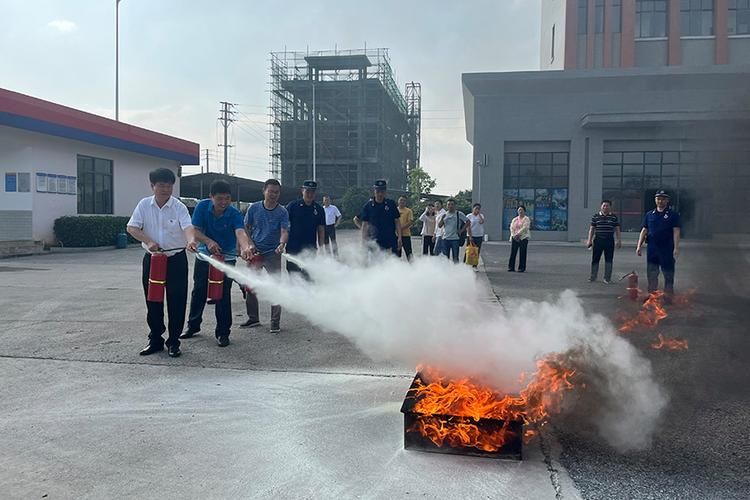
Fires caused by burning such as gasoline, kerosene, diesel, methanol, asphalt and paraffins. Fires flow with burning liquids, are intense, have exploded, exploded or sprayed, and are not easy to save。
Dry powder extinguishers, halogenated fire extinguishers, carbon dioxide extinguishers are available。
Gas fires
(c)
Fires that can burn gases, such as gas, gas, methane, etc., often cause explosions or explosions, are devastating and difficult to rescue。
Gas delivery valves or pipes should be shut down, power should be cut, fire should be cooled, and fire extinguishers should be used for dry powder and halogenated。
Metal fires
(class d)
Fires of flammable live metals, such as potassium, sodium, magnesium, etc., are mostly caused by wet and hot natural exposures。
Special fire extinguishers for dry sand, cast iron powder or sodium chloride dry powder metal fire (no water, foam, water, no carbon dioxide or dry powder fire extinguishers) may be used。
Electricity fire
(category e)
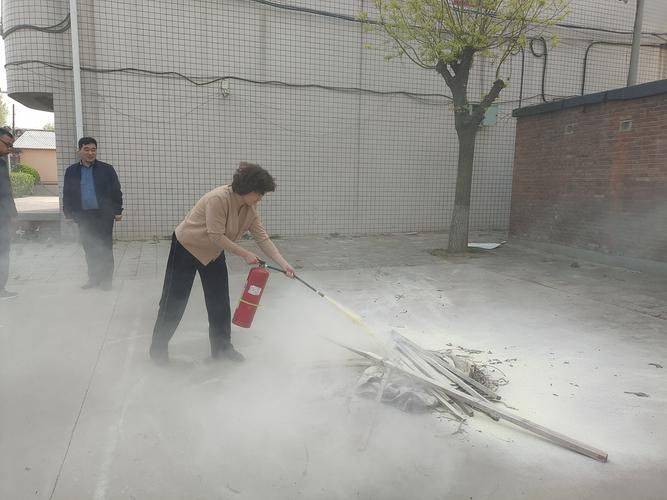
It refers to fires in which electrical equipment is burned, such as distribution plates, transformer rooms, vulnerability units, etc。
Carbon dioxide, dry powder, halogenated fire extinguishers (no water use) may be used, without which electricity should be cut off or safe distance from the body。
Cooking fires in cooking equipment
(category f)
It means cooking fires in cooking equipment. Like vegetable and animal fat。
Porn caps or foam extinguishers (strict water use) may be used。
The sand can almost be used to extinguish all types of fires; when fire extinguishers are used, the root of the flame is sprayed。
Ii. Four common fire-fighting methods
The combustion must be accompanied by three conditions: flammable material, accelerant material and source of fire. A fire can be extinguished if one of the conditions for combustion is removed。
1. Asphyxiation of fire suppression
Flammable substances cannot be burned without oxygen in air or less than 14%. The so-called asphyxiation means cutting off the air supply of the burning material。
This method of fire suppression applies to fire in closed rooms and production units, equipment containers。
Ii. Cooling the fire
The cooling-out method is based on the condition that the combustion of flammable material must reach a certain temperature, by direct spraying of water or fire extinguisher on the substance, and by reducing the temperature of the substance to below the point of combustion, thereby ending the combustion。
It can also be used to cool unburned objects, such as construction components, equipment, etc., to avoid burning or explosion due to thermal radiation。
3. Isolation of fire
The fire suppression method is based on the condition that combustibles must be present in case of combustion and separate from the flammables adjacent to the combustion to prevent further spread of the combustion。
4. Fire suppression
The fire suppression method is to spray the fire extinguisher on the incendiary material, so that it is involved in the combustion reaction, so that the free radicals produced in the combustion disappear, forming stable molecules or low-activity free radicals, and thus ending the combustion。