The importance of water resources in modern societies is self-evident. However, impurities and pollutants in water sources often threaten our health and environmental security. In this game of man and nature, ming is providing us with a valuable solution as an ancient purification agent with its unique water purification principles。
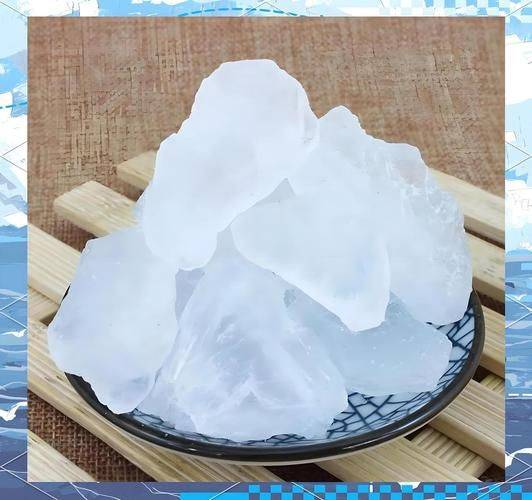
Aluminum sulphate, also known as potassium sulphate, is a non-colour-to-white crystallized solid with good solubility and stability. It consists of potassium ion, aluminium ion and sulphate root ion and contains a large number of water molecules in its crystal structure, making it easy to store and transport at constant temperatures。
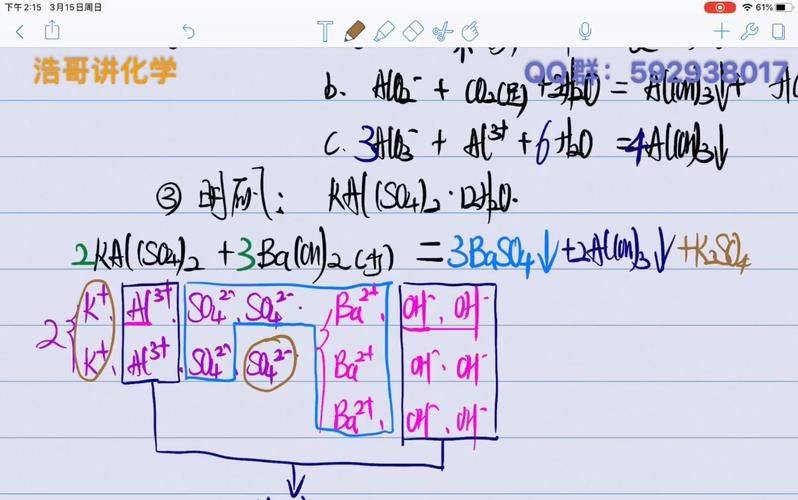
The chemical form of minggi is kal (so4) 2-12h2o, which is ionizing in water: kal (so4) 2===k+al3+2so42-. Aluminium ion hydrolytics, generating aluminium hydroxide glue with a strong adsorption capacity, adsorption of suspended matter in water to sink it for water purification purposes: al3+3h2o=al(oh)3(gel)+3h+。
The important role that cyanide can play in water purification is largely due to its special chemical properties and physical effects. In particular, the water purification principles of minggi include the following:
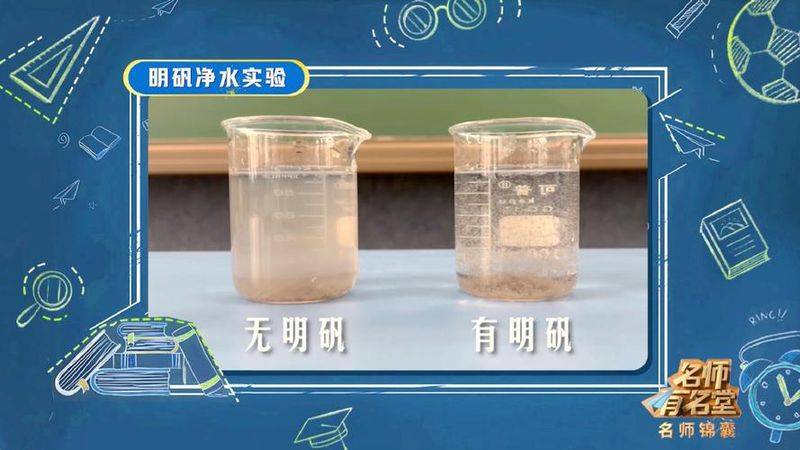
1. **the charge and effect** when aluminum is dissolved in water, aluminum ion (al3+) and sulphate root ion (so42-). Aluminium ion hydrolytics in water, generating aluminium hydroxide glue with a positive charge (al(oh)). They are effective in adsorption to negative charge suspended particles in water and condensate them into larger stylings through the middle of the charge, thus facilitating sedimentation and filtering。
2. **sorption bridge connection** aluminium hydroxide glue not only has a positive charge, but also has a large surface area and a strong adsorption capacity. They can form network structures in the water, connect scattered small particles like bridges, promote concentration of particles and further accelerate deposition processes。
3. **algeline regulation** during hydrolysis of cyanide, a certain amount of hydrogen ion (h+) is produced, resulting in a lower ph in water. This micro-acid environment helps to enhance the stability and adsorption performance of the adhesive system and improves its purification effect。
4. ** catalytic oxidation** aluminium ion can also act as a catalyst for the oxidation of organic substances in water, turning them into more easily removed forms. This process not only effectively reduces organic pollution but also improves the transparency and taste of water quality。