In recent years, the bebed pumpkins have been in such a state of fire that they've grown on a large scale. Why? It's so delicate, it's got a lot of cucumber, it's so sweet, the market is so popular, where's the future for growing? To be honest, families grow a few trees and the family eats enough for a year. So the question is, how do you grow and manage a melon so much? Today we'll share with you the most practical recipes for the cultivation and management of bebed pumpkins
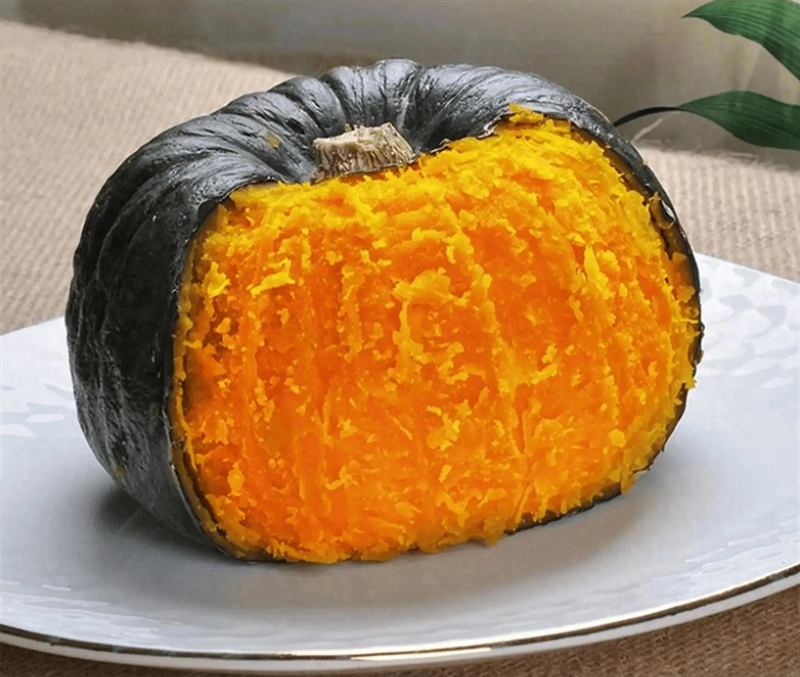
Seeding seedlings: the first step on the growth of the bebed pumpkin
Pumpkin is the most suitable plant in the spring, usually with seedlings, followed by planting. When you grow a seed, you put the seed in the water for six to eight hours, which is like giving the seed a “bath” to fill it with water and prepare it for the bud. If you have experience, you can seed a good seed first; if you're new, don't panic, just put the finished seed directly into the soil of the nursery, with about a centimetre or so thick. The ambient temperature of the seedlings is critical, and it should be at 20 degrees or more, preferably about 25 degrees, like creating a warm and cozy little nest for the seed baby, so they can grow. Before seeding, the soil must remain moist, neither dry nor water-filled, otherwise the seeds are prone to “grumpy” and germinate. When the seedlings come out, it needs to be tanned, and the sunlight is the “energy depot” where it grows, and less water is needed at this point, and when the seedlings grow around three leaves, they can be ready to move, but it takes time to look at the local climate and temperature, not so fast, but at the right time。
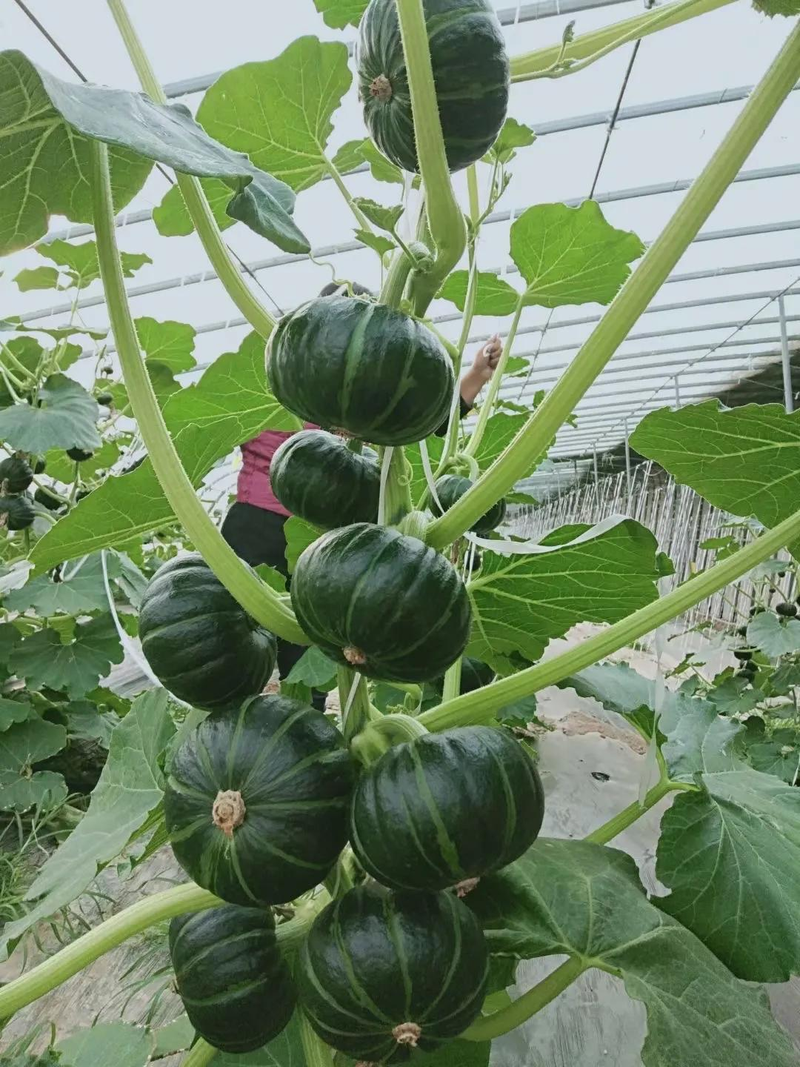
Far from the heavy burden: the root of the healthy growth of the bebed pumpkin
Bebed pumpkin's got a lot on his mind. Both seedlings and plantings are not used in the fields where pumpkins were grown before and in the land where pumpkins were grown. If it does, the bebed pumpkins are sick, they grow ill, their yields are reduced, and pests and pests are found. It's like a man who's always making mistakes in the same place, and there's definitely no good fruit, and the bebed pumpkins are on a heavy field, and they jump into the pit. So when you grow the bebed pumpkins, you have to avoid the area that you previously planted and give it a completely new growth environment in order for it to thrive。
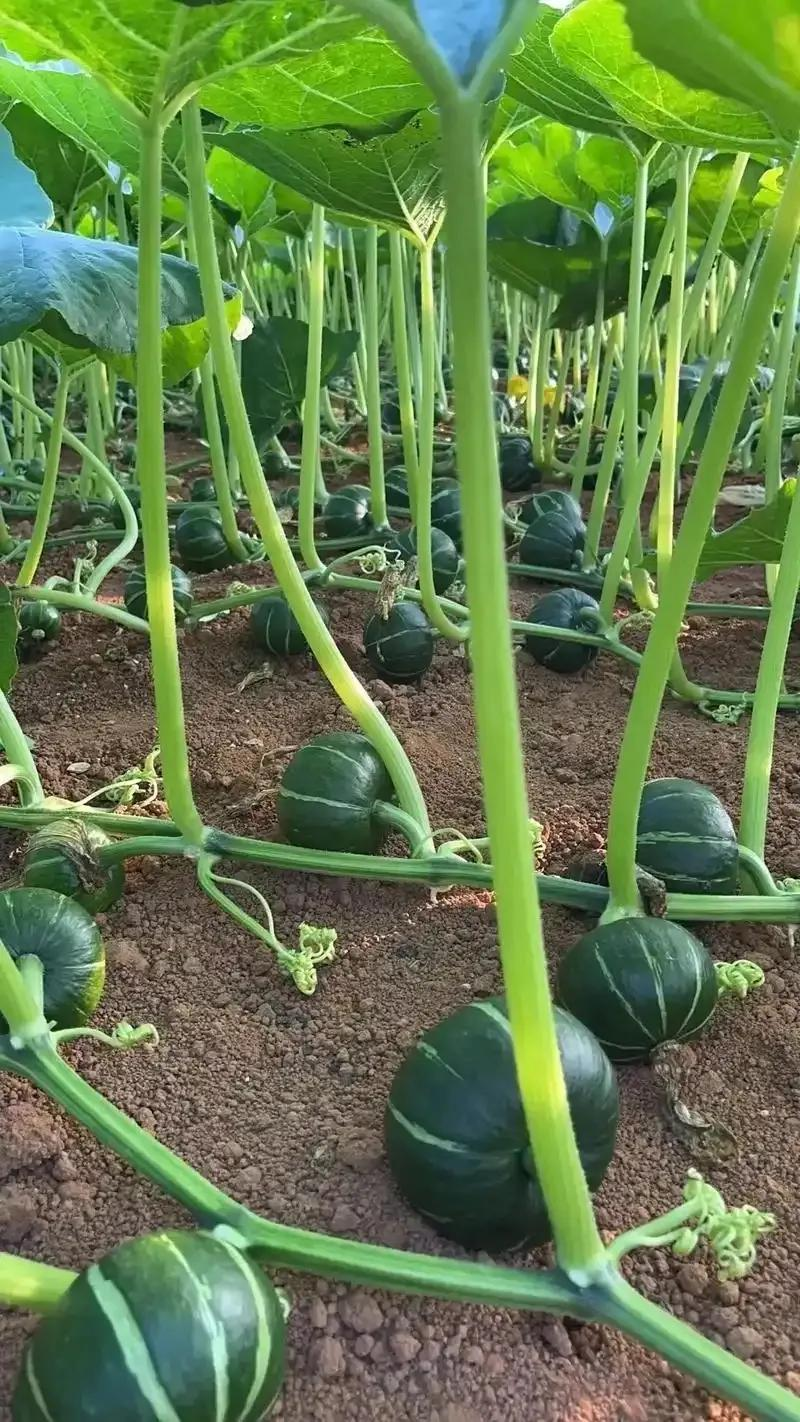
A good home for the bebed pumpkin
Before we move the bebed pumpkins, we have to double the soil. It's like a big clean-up for the new bebed pumpkin family, making the soil softer. It is then made from 80 to 100 centimetres of line distance to a line of 60 to 90 centimetres per millimetre. If the plan is to build a slab or a chicken, the intensity of cultivation can be adapted to the actual situation. After all, the growth space needs of the bebed pumpkins vary from one plant to another. It is also subject to the application of bottom fertilisation, which is like a “nutrient package” for the new bebed pumpkin family, which can be applied to the soil before the soil can be reclaimed, or deep holes can be dug before the planting. But it's important to note that the roots are separated from the fertilizer by 10 centimetres of soil, or the fertilizer comes into contact with the root system, as if the foot of the bebed pumpkin was painted with pepper water, which would burn. After planting, first water must be poured out, so as to facilitate the rapid and slow seedling of the bebed pumpkin, so that it can be less watered, properly managed, and in accordance with the principle of “soilless and dry”, so as to produce a strong seedling and give the bebed pumpkin a good foundation。
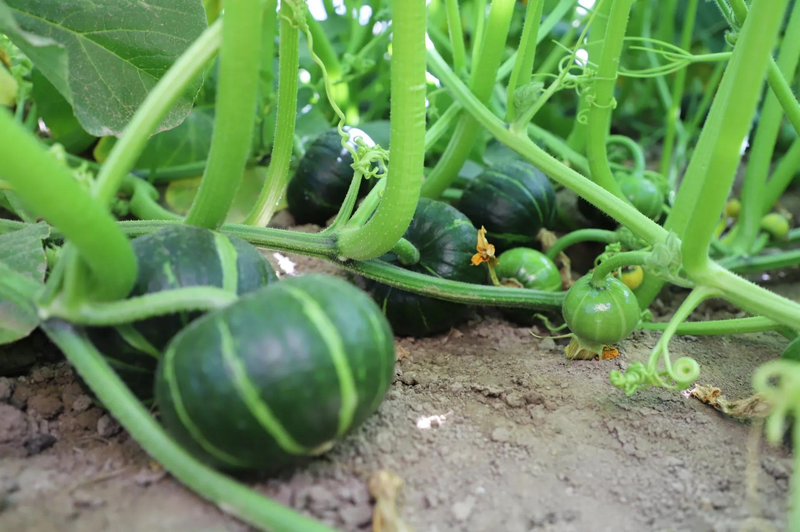
The whole heart: shaping the perfect body of the bebed pumpkin
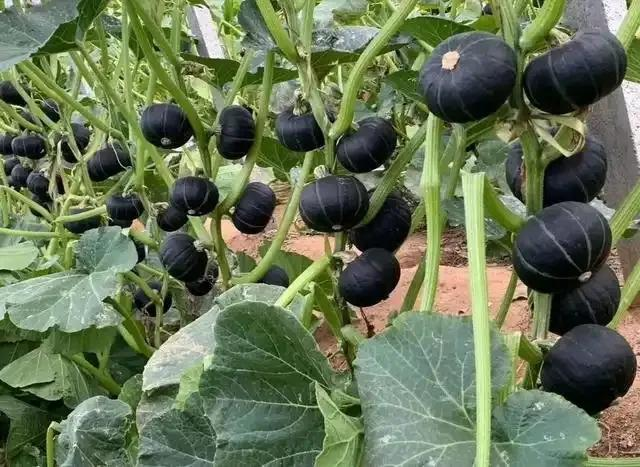
When the bebed pumpkin grows to 5-7 leafs, it starts to be shaped. Strangling off the top of the spasm, it's like giving the bebed pumpkin a “conformity” so that it doesn't just go up the “crazy long”. And then you keep two to three chickens, each with four to five of them, and don't be greedy about keeping too many of them, or the bebed pumpkin's nutrients will fail, and the quality of the melons will be worse. At the same time, the excessive side branches are removed, which are like bebed pumpkins, and they are removed so that the bebed pumpkins can concentrate their nutrients on useful chickens and melons. Moreover, before the bebed pumpkin sits on the melon, it is important to keep the water under control and to prevent the squirts from growing up, like a proper “juvenile diet” for the bebed pumpkin. When a gourmet sits, water and fertilization is appropriate, as if it were “energy” and “nutrition” for the bebed pumpkin to thrive. In the event of a continuous low-temperature weather, artificially assisted pollination is required, or the bebed pumpkin is prone to flowering fruit, as if it were to be sustained as an umbrella under severe weather. Moreover, constant attention must be paid to the prevention and control of pests and insects, such as “medicines” for bebed pumpkins, and to the timely selection of the appropriate drugs for their treatment, which must not be allowed to destroy them。
Cultivation and management: “careful machines” for water fertilization and conservation of bebed pumpkins
There's a characteristic of the demand for water fertilizer in the bebed pumpkin, which is light and heavy. Less water and less fertilizing before you sit on a melon, it's like letting the melon “scramble” before you run out of nutrients. When you sit on a melon, you have to keep the soil wet and have enough nutrients. It's like opening up a double-nutrient model for the bebed pumpkin, so that it can bring out all the energy that has been saved, so that the melon can be strengthened. Apart from the bottom fats applied during planting, the melons are usually not followed by fats, which, in short, is “no melons, no fats” and then when the melons sit down. At the same time, maintaining good ventilation and light would be like creating a “sun room” for the bebed pumpkin to enjoy the sun and air. After a melon, some of the leaves below can be removed so as to increase light and ventilation and to make the little house of the bebed pumpkin cleaner and more productive。
In any case, the cultivation and management of the bebed pumpkins, although somewhat intuitive, is a matter of hand-to-hand capture, as long as these key points are managed and cared for. Let's try it. Maybe you're the next bebed pumpkin grower