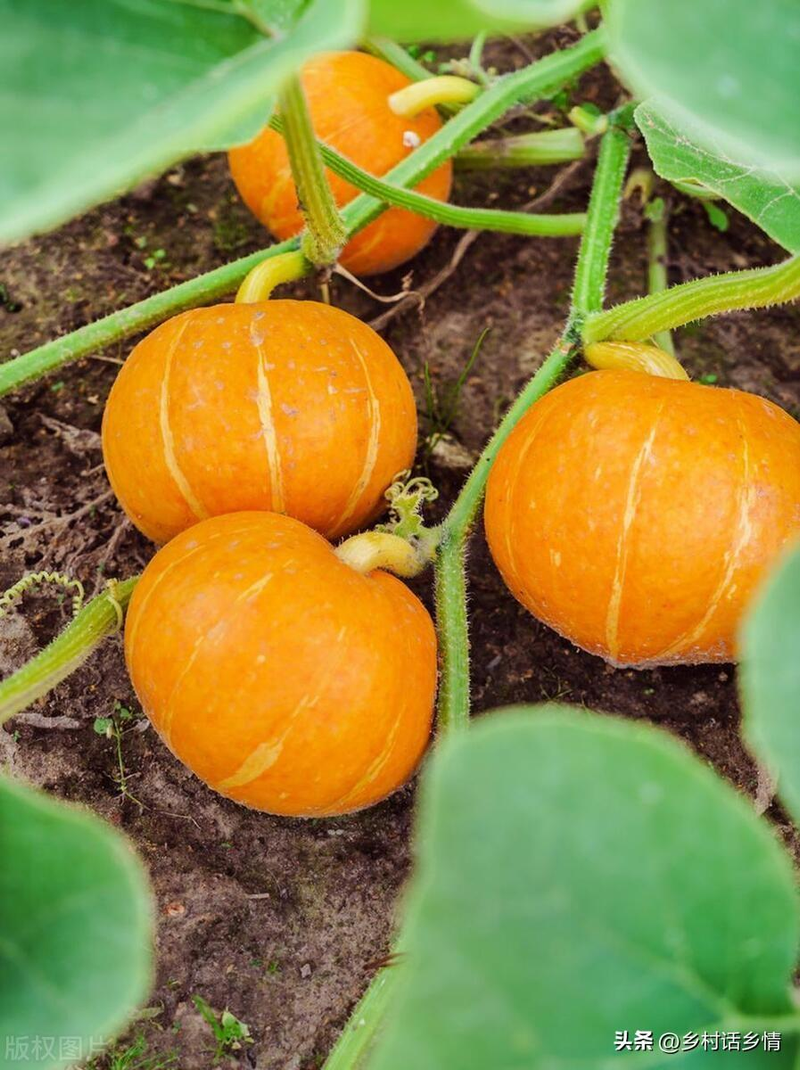
Pumpkin and silkmelon are common melons, and in rural areas it is common to see families build a shelf behind their front house, crawling with guacamole, which is covered with melons. But there are a lot of problems with planting, and friends often ask me that the pumpkins and guacamole grow a few metres long, but they don't do it, and sometimes it's hard to get a melon, and they don't grow up. What's the reason why i don't get melons? Why can't they sit? How do we get them to do it? Let's look down。
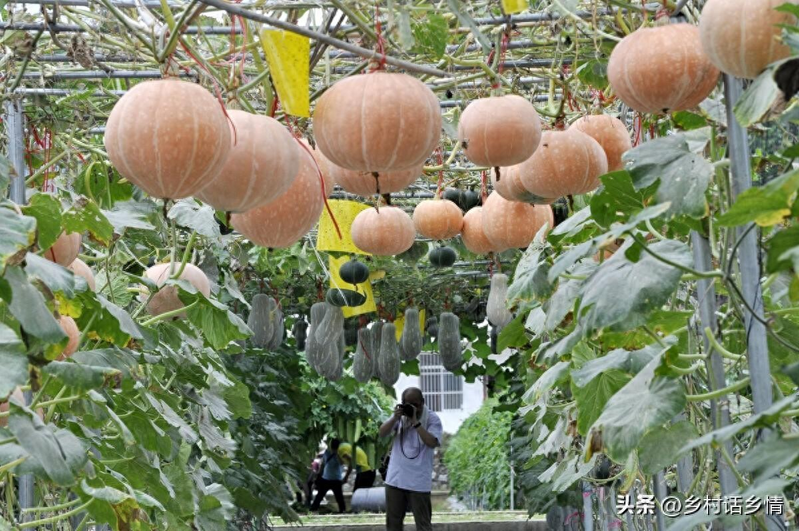
Why aren't pumpkins and melons and melons
1. Temperature and environmental incompatibilities
Pumpkin and silk melons, although they are warm crops, have some temperature requirements, particularly during flowering and gucumbering periods, the most appropriate temperature being around 20-30 degrees. If the temperature is above 33 degrees or below 20 degrees, the activity of pollen is reduced, which affects normal pollination and causes non-melting or fermentation. In another case, pollen is also difficult to pollinate in the face of successive rainy days, which can also lead to flowers without melons。
Solutions: when summer temperatures are high, some of the strong light can be properly shielded with something and the wind is maintained, which reduces the temperature and the exposure to the strong light and avoids excessive light exposure to pollination. In the event of consecutive rainy days, artificially assisted pollination is selected to increase sitting rates。
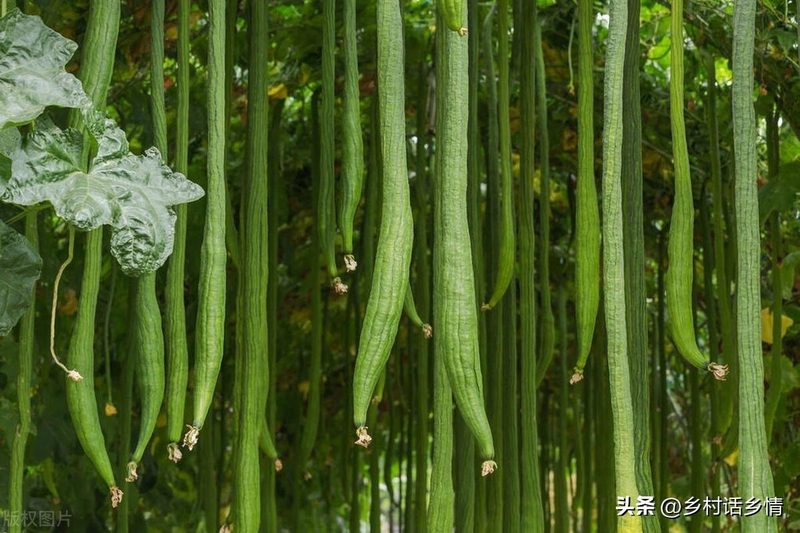
Inadequate management of fat water
Pumpkin or guacamole, in the application of fertilizers and water, must be prepared for fire, not for fertilisation or water. However, many growers are water- and fertilizer-free, often using large amounts of nitrogen fertilizer during the pre-growth period, combined with overwatering, which leads to the growth of the guacamole and the transmission of nutrients from the roots to the guacamole, resulting in the scarcity of the guacamole and the inability to sit. In another instance, the previous period was too fast for melons to grow, and the flowering and guacamole periods were short of nutrients, resulting in the gestation of the melons。
Solutions: measles must be balanced in fertilization, not too much fertilization in the preceding period, especially nitrogen fertilizer, which needs to be combined with phosphorus potassium fertilizer. The water should not be overwatered, so long as the soil is humid, so as to avoid the growth of madness。
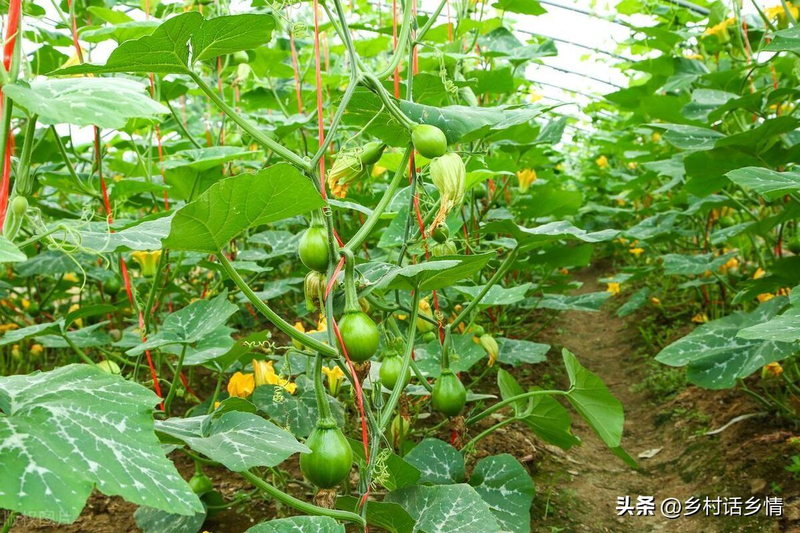
How do we get pumpkins and melons to get melons
1. The principle of fertilizer for mastery of melon crops
A melon crop cannot be over-fertilized in its early stages, and the flowering period cannot run out of and out of fertilizers, as excessive water is bound to lead to fertilisation, but it is not possible to produce nutrients, but it must grow and grow well and be capable of growing more in the later stages. Therefore, in the use of bottom fertilizer, a reasonable mix of potassium nitrogen phosphorus is to be used instead of individual nitrogen fertilizers. At the time of flowering and cucumbering, fertilizer is to be applied in a timely manner to ensure sufficient potassium nitrogen phosphorus。
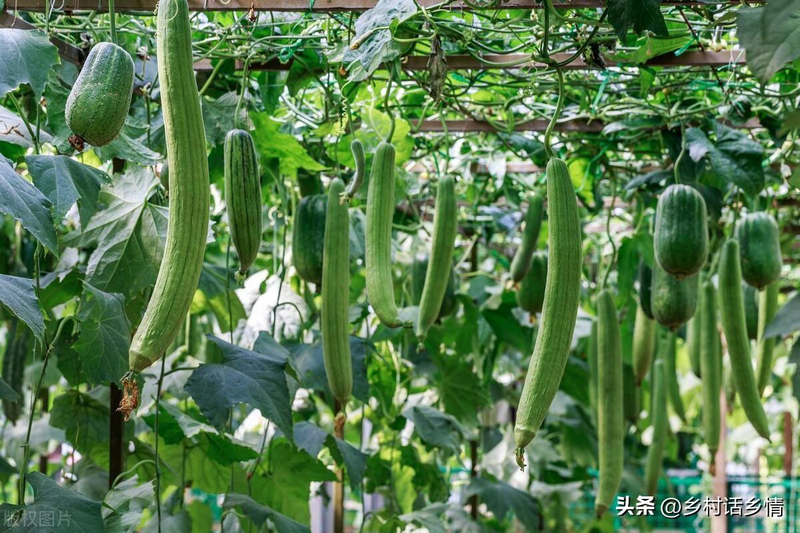
2. Rational whole branch, chicken
Pumpkin is generally put on top, when the main chicken grows to 5-10 leafs, strangling the top, boosting the hair of the chicken, and keeping two to three corrugated chickens when they grow. The silkmelon does not need to be hit on top, but it needs to be removed from the fork near the ground, and only a half-metre-and-a-metre chicken can be retained. In the process of growing, if there are ever-growing chickens (e. G., too-growing chickens, sunman, etc.), timely adjustments are made to remove some of the non-concreteed chickens, to maintain good ventilation and light and, if necessary, to pollute manually。
3
A melon crop requires not only potassium nitrogen phosphorus, but also boron fertilizer, both phosphorus and boron fertilizer, which can contribute to the thawing of flowers, while boron fertilizer can increase pollination and reduce the amount of melons. Thus, the application of potassium phosphate mixed with boron fertilizer can increase sitting rates from before flowering to meloning. It can also be sprayed with an amphibious melon to increase the amount of melon。
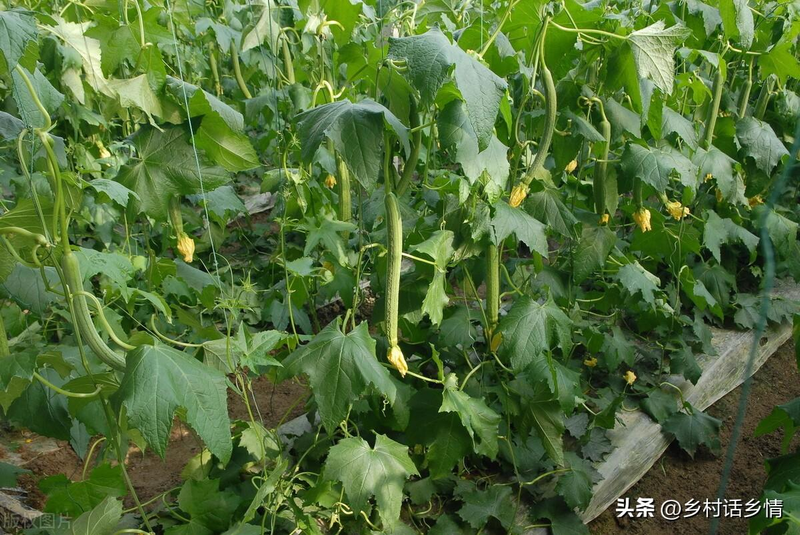
In addition to the above, the cultivation of pumpkins and melons is largely associated with varieties and the climate, some of which climb a few metres long and are not visible, and some of which continue to grow. Therefore, when planting pumpkins and silkmelons, it is important to select seeds, not to be greedy, not to buy bulk seeds, but to purchase original packaging seeds produced by regular seed companies. Good varieties, together with the right management methods, make it possible to achieve high levels of production。