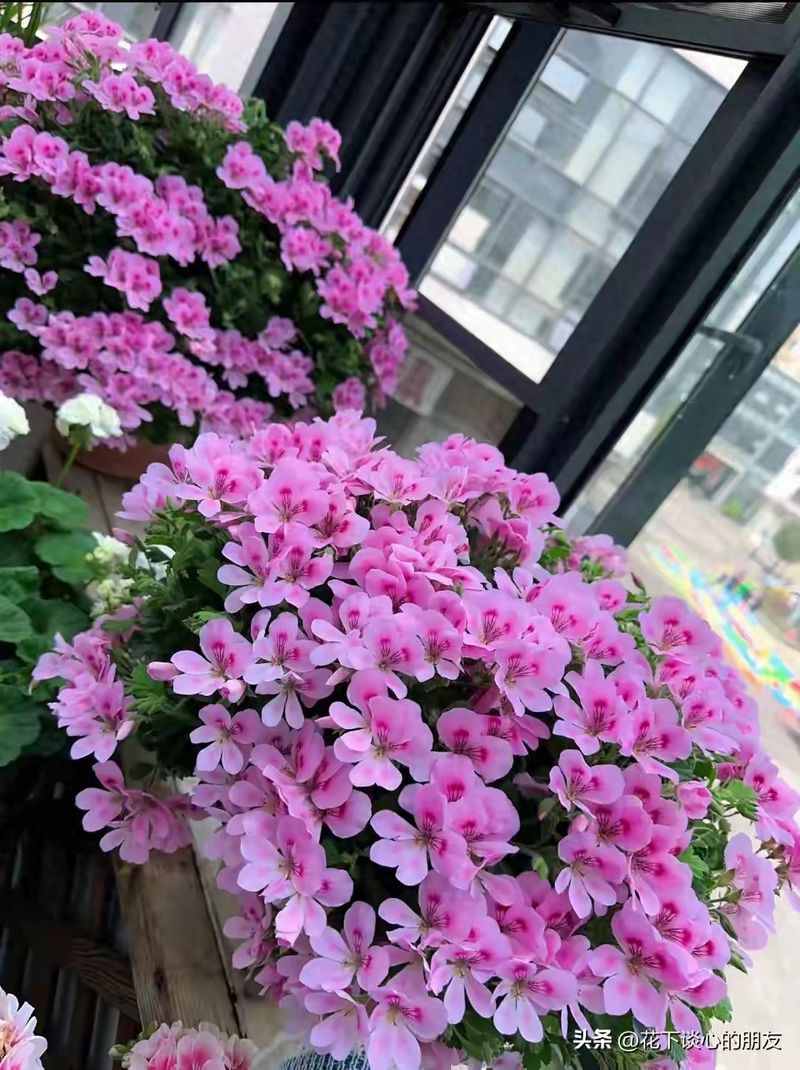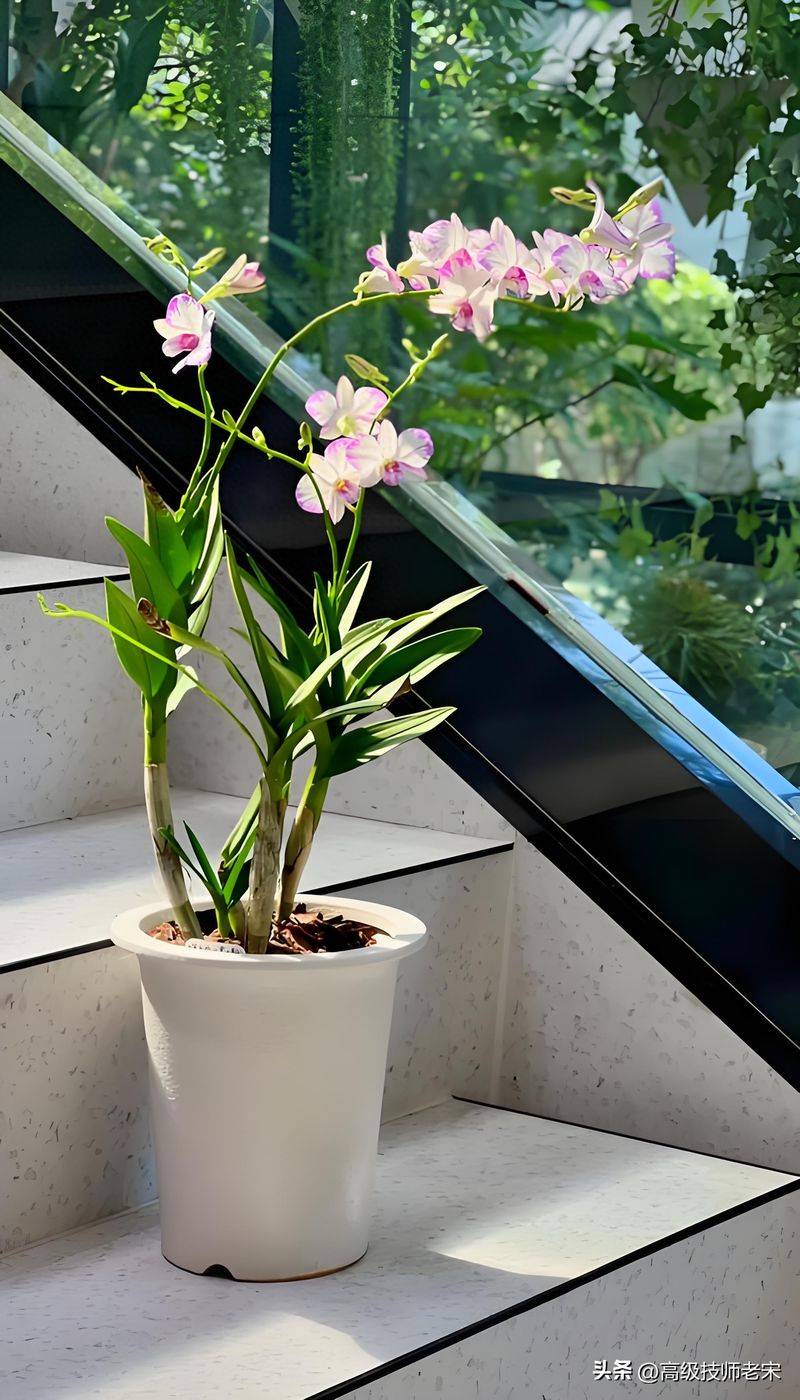
As adjoining orchids, they are popular in their unique form and graceful bouquets, but the following are key points to be taken into account in farming。
I. Plotting and flower basin options
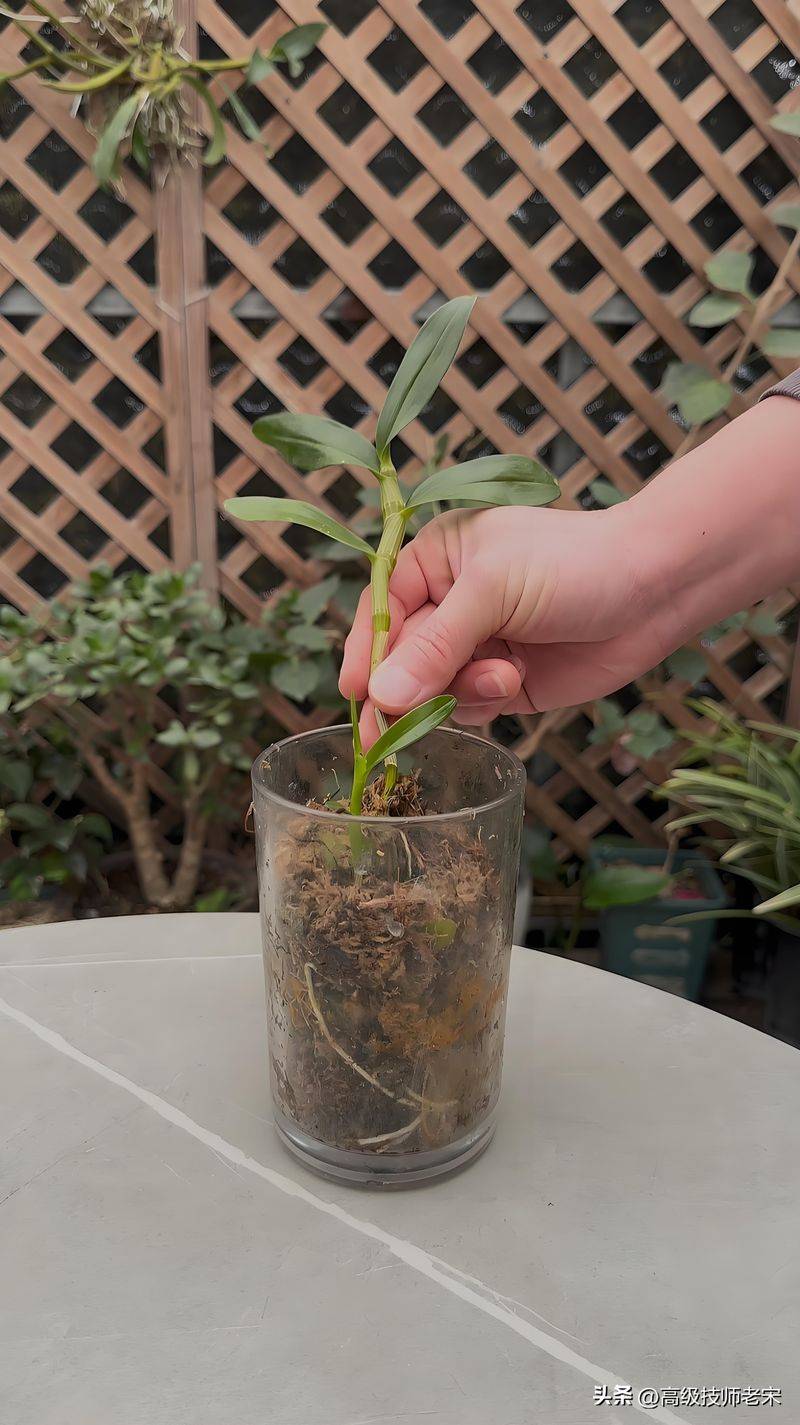
The pebble root is an aerobic environment and it is proposed to use a mixture of bark, moss, peat and pearl rock at a ratio of 3:2:2:1 to avoid the use of sticky soils. The flower basin may be selected for a gaseous pottery or plastic pottery, with ceramics or gravel laid at the bottom to enhance drainage. A flower basin with a calibre of 10-15 cm may be used for the period of seedlings until the root is fully grown。
Ii. Light and temperature management
Ishilan is a light-scattered man, and he's got a strong light. The spring fall can be placed on a window stage east or north, 50 to 70 per cent in summer, and full-day photographs can be accepted in winter. A suitable growth temperature of 15-30°c and not less than 10°c at night, with a temperature difference of 10°c to facilitate flowering. Temperature is sprayed during high summer temperatures, and indoor heating is required for winter periods below 5°c。
Iii. Fertilizer management
The quartz is wet and afraid of flooding, and water is poured in accordance with the “dry and wet” principle. Water is poured every 5-7 days in the spring and autumn, sprays are drenched early and late in the summer, and water is poured around 10 days in the winter. Fertilizers are applied mainly in the form of thin fertilisation, with orchids applied once a month or 1,000 times less phosphate fertilizer, pre-optimated with potassium phosphate and decomposition during winter hibernation。
Iv. Pest management
Insects such as aphids, red spiders, etc., are regularly checked for leaves and roots and can be wiped or sprayed with soap water. Patients such as grey silt and anthrax need to be cut off in a timely manner and prevented by the spraying of multibacterium or enzymes。
V. Reproduction and changing basins
It is desirable that the breeding of separate plants take place in the spring and replant the roots after separation. Plumbing is used for unflowered prostheses, which are cut every two to three knots, and are humid into the moss, with roots for 6 to 7 weeks. Change basins every 1-2 years, trim the roots and keep the roots of health。
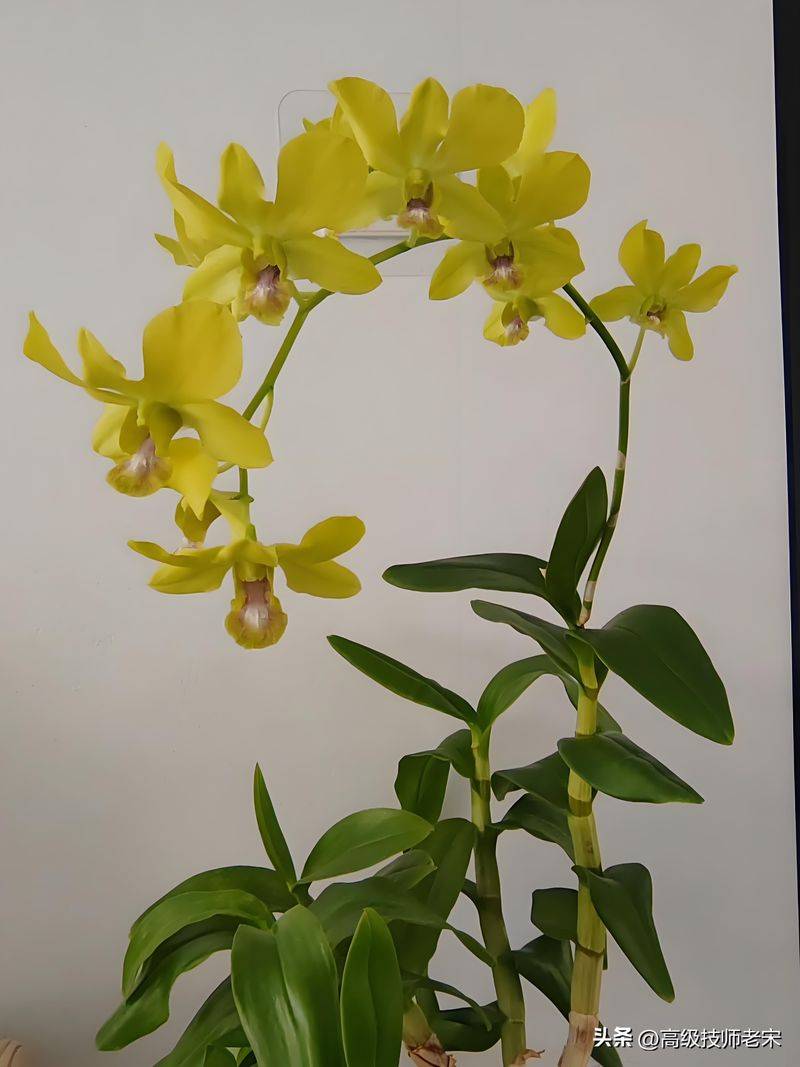
Through scientific earthing, rational light control, accurate water fertilizer management and periodic change of basins, the quartic can grow healthy and flourish. Conservation needs to be patient and avoid over-watering or fertilization to produce compact, colourful and high-quality plants。