


On the morning of 22 january 2024, the second session of the 14th people's congress in shandong province was opened. The report of the provincial government's work reported on the preparation of a rural industrial development plan for date-bearing pomegranates, dairy oysters, the so-called dao-sang huang, lingzhi, yangshin, etc. (the solid promotion of rural industry wealth)。
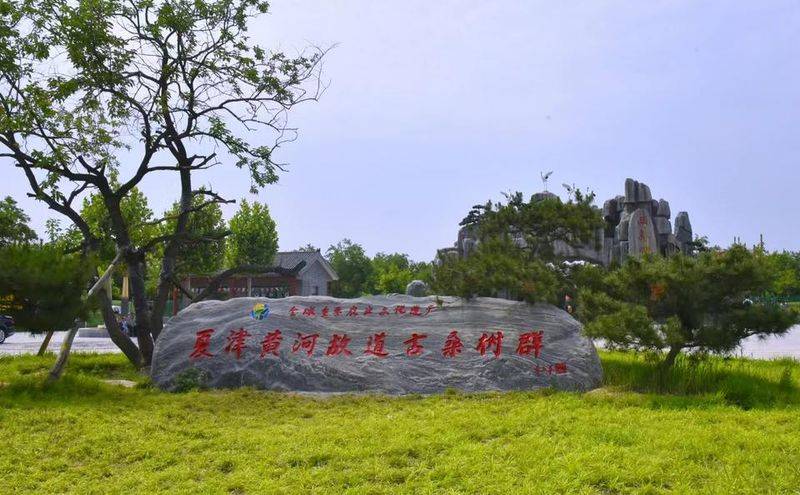
In april 2018, the food and agriculture organization of the united nations (fao) awarded a certificate for the oldest and largest-scale ancient chinese tree herd, “globally important agricultural cultural heritage”. The “shangdong shih-yang river, in its wake, dagusan trees” became the first and only globally important agricultural cultural heritage in shandong province。
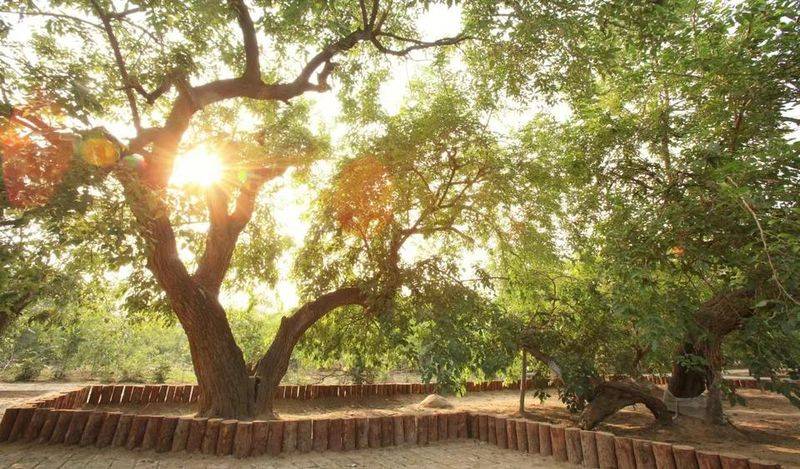
The historical sustainability of agricultural products is an important factor in the assessment of the “global important agricultural cultural heritage”. The sauna trees are adaptable and easy to plant, and they can be replicated extensively in chazin. During the thousands of years of the local sanctuaries, the production of sanctuaries has remained stable and the variety has not changed significantly. The shizum river has developed a stable ecosystem of forests, fruit, agriculture and livestock, mainly with sank trees, which has a significant impact on soil and water conservation。
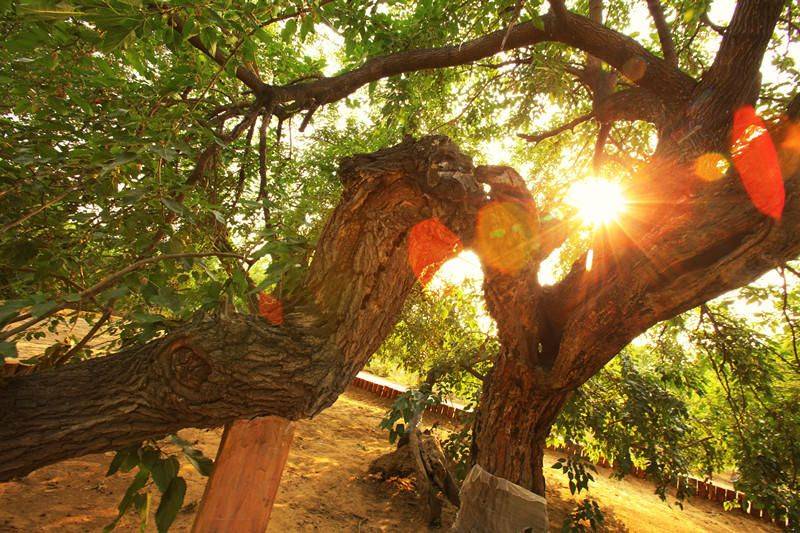
Traditional agricultural civilization is also transmitted from generation to generation. The people of chazin have learned a set of lessons from the long history of planting san trees. They manage the soil using earthworms, fertilizers, ploughs, etc., and plastic thin membrane entanglements to combat pests. According to the seng dynasty, the town of sulyung in chazin county, which has planted liu feng, the san tree is a highly viable tree, even if some of the branches are dry or dead, and the branches of the ancient san tree that are close to the surface are buried in the ground by means of “crushing branches”, or the roots are broken to promote the growth of the new roots and to strengthen them。
Entering the debasant industrial research institute, located in the town of the deben springs in chazin county, lin is full of displays. Sango brews, sauna teas, and sauna and yellow saunas grow, and they're a rare champion against cancer... I don't know. For the hazin people, the san trees are “polls” — the trees were bred that year, planted that year, and the results of that year were very efficient in agricultural production. Salvatore makes tea, saliva, saliva in medicine, santana dry, saloon (a fungus growing on a saloon tree) health care, and a sauna tree has at least “five treasures”. In this regard, the “national geographical brand” “prominent regional public brands of agricultural products at the provincial level” in the “china specialty agricultural advantage area” and the “hazin san huang” in the “hazing wong” are certified as protected products by geographical indications。
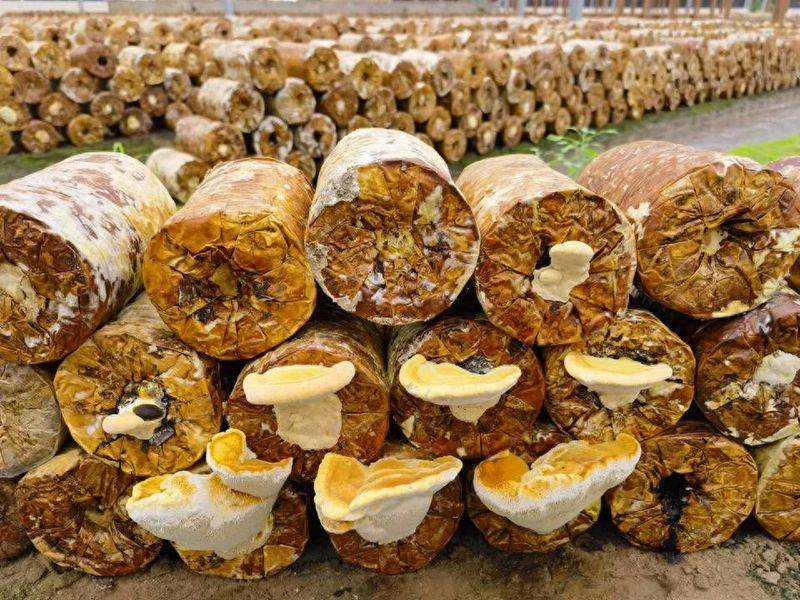
San yellow, a leading value-added product in the development of the san industry, has been recognized as a champion of cancer resistance in fungi because of its extremely high medicinal value, known as “the essence of the san tree”, which is manifested in the regulation of immunization, anti-tumours, antioxidation, blood sugar, liver preservation, antibacterial inflammation, etc., as well as in food consumption and therapeutic feeding. In recent years, the chazin district has made a breakthrough in science and technology, focusing on the whole range of health care and nutrition products in san huang。
The world looks at china, and china looks at china. “... Chazin san huang normally grows naturally on san trees for more than a hundred years, with nutrient content well above that of other geographical output, and the unique size of the ancient san tree herbs in chazin county has a unique advantage in this regard。
It is known that chazin county has acquired the technology of artificially inactivated cultivation in the country and has built the first eco-smart shed in the country. They also cooperated with the chinese academy of sciences in the study of the san huang deep process, the establishment of doctoral workstations and the development of salsa, salsa, salsa, salsa, salsa, salsa, salsa, salsa, and salsa, making this “sang gold” a real profit。
At present, the institute has explored the technical aspects of the separation of bacterial species, formulations of planting materials and mushroom management, explored mature programmes, conducted scale cultivation in chazin, and developed a technical protocol for sanctuary cultivation, and developed an innovative complex of “production research and marketing” in san industries, making it possible to develop, incubate, produce, present and trade in the park and to develop the san industry. In recent years, under the auspices of local business and industry experts, the so-called duh-sang yolk species of the chazin yellow river are becoming known as the pure tradition of san-sang trees and are now being modeled in various regions of the province。
(crowd news client, deng meiping, journalist, zhang twin, reporting)



