Two needles on the gas stove
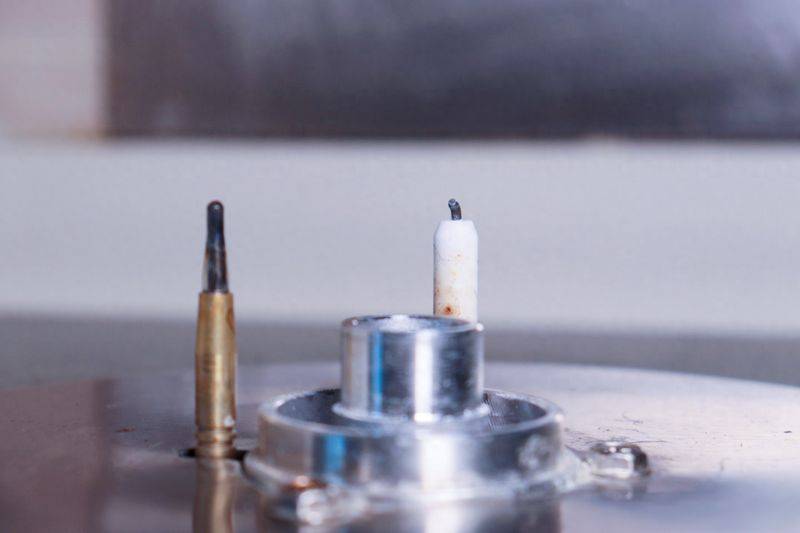
The top is flat or bending, the lower part is white and the fire is lit. The top is sharp, the lower part yellow, called the “fire-out protection needle”, or “protective needle”。
When i fixed the stoves, the workers reminded me that the common faults in the stoves were caused by both needles。
Moreover, 80 per cent of the cases are not needles that are broken and do not require particularly complex maintenance. I'll list the reasons for the failure today and you can fix it yourself。
Fire
Corresponding question: no ignition
No fire in the stoves, no fire in any way
Gas, depending on whether the gas watch is on or off. If there is no word on it, it means that the battery is out of battery and that section 5 batteries need to be replaced. When electricity is available, see if the balance on the gas table is sufficient. If it's okay, check the valve
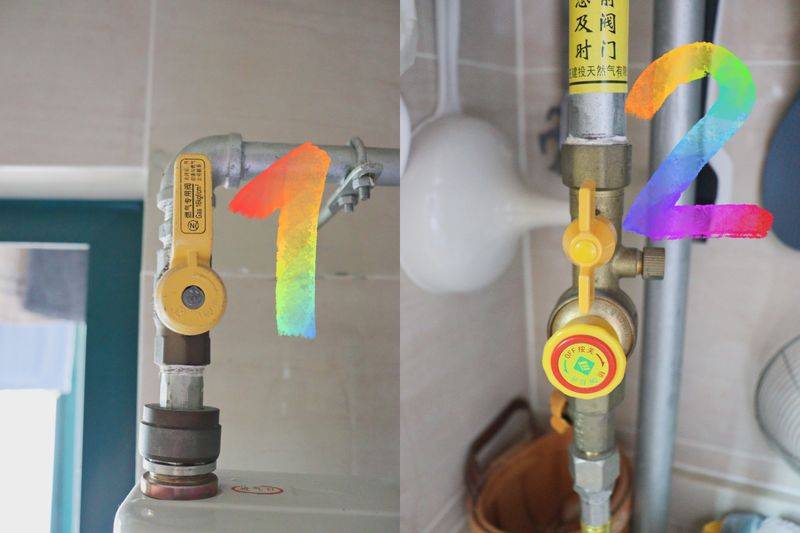
As in the above figure, whatever valve, keeping the direction of the valve in line with the pipe (i. E. The state in the above chart) is open. If the valves were open, the gas company could be called to ask if there was a temporary stop。
After a series of checks, there's still no problem, so you can put your focus on the torch -- normally, when you spin the button switch on the gas stove, there's an electrical fire between the needle and the middle lid. Hana
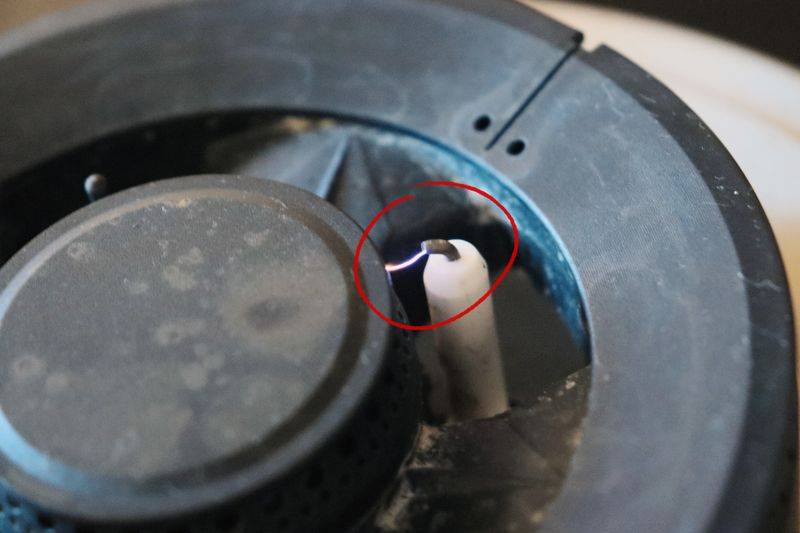
At the same time, there will be a “single” voice。
There's no need for sparks and sound. We can judge the cause of the firecracker's failure on the basis of the missing。
No sound, no spark
The probability is that the battery is out of power: on the back of the gas stove, the battery warehouse can be seen (if the stove is fixed on the surface, it will have to go into the cabinet to find the battery warehouse). Open the battery warehouse and replace the battery。
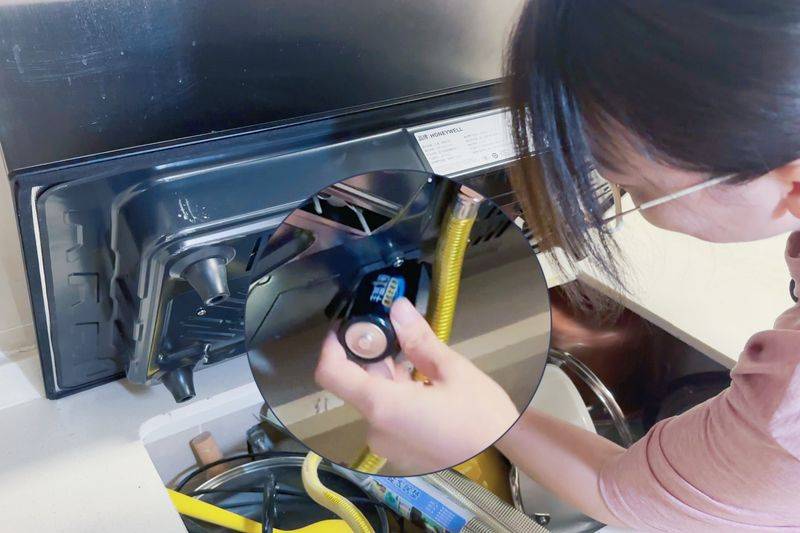
Gas stoves use cell number 1 and some batteries have a protective cover on the top (sane pole). The protective cap needs to be removed before batteries are installed. The problem can be solved when batteries are replaced。
Some of the gas stoves are electrically plugged, at which point it will be necessary to check if the gas plugs are not plugged and if the plugs are still electrical. In the case of plugs, the plugs will need to be replaced, the circuits checked, and the switch in the distribution box checked for jumps。
#02. No sparks
There is a sound of tweak, which represents a normal operation of the fire system. But there are no sparks, so it is impossible to ignite natural gas, and there is no fire. At this point, you can check the ignition state:
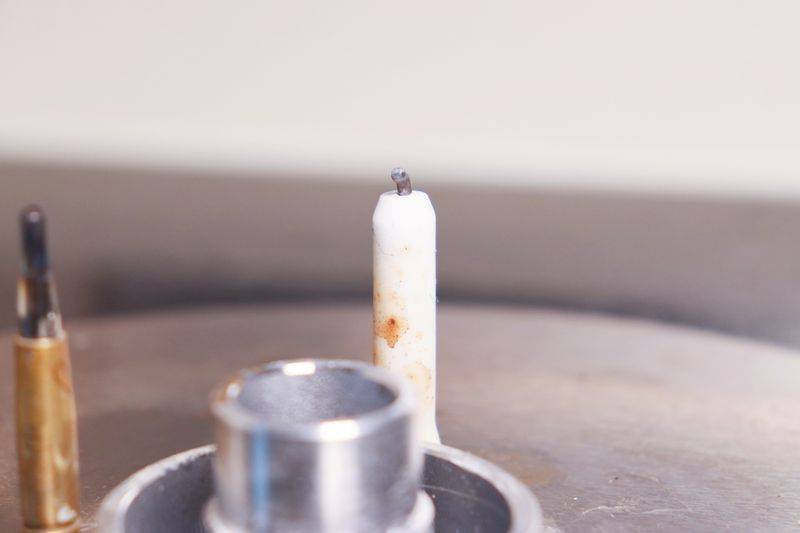
The surface of the fire pointer, especially the metal part of the top, needs to be particularly clean. If the metal is partially coated with oil, or if a partial black dot (carbonized dot) appears, it affects normal ignition。
At this point, it is sufficient to clean the ignition — to wipe it first with a rag and to try to grind it with sandpaper if it does not。
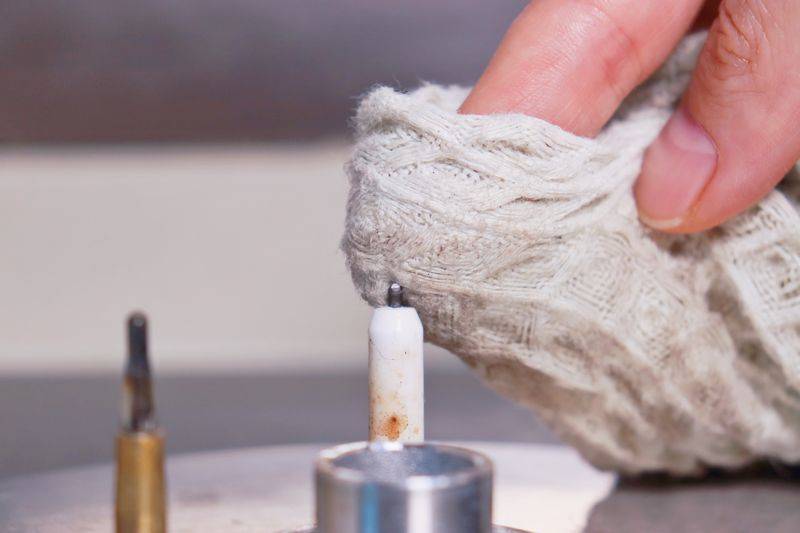
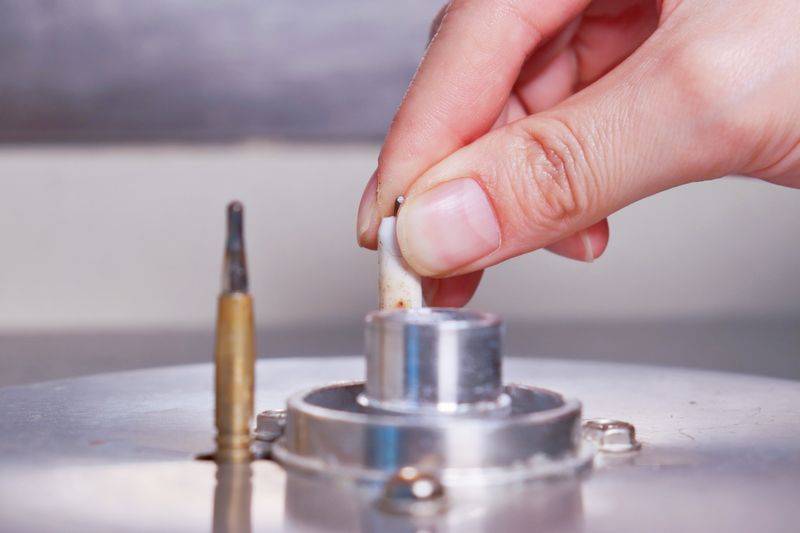
The 2-point needle cannot be crooked, and if it is crooked, it cannot normally produce electric sparks. It is possible to look down and see that the ignition is generally vertical with the surface (there are also a few gas stoves that are on the slope and need to be carefully identified)。
If the needle is crooked, you have to make it right. Be bold, it's hard to break it by hand alone。
Protection pin
Corresponding question: flame instability
The fire-closing needle works on the basis that the temperature on the surface of the needle rises when the flame burns. When the temperature of the needle is reduced, it is determined that the stoves are off fire, thereby cutting off gas。
By pressing the switch button of the gas stove, the protection needle can be bypassed and the gas supplied by force。
So, even under normal circumstances, you have to press the button for a while to let go: this is to warm the surface of the needle, otherwise it will go out。
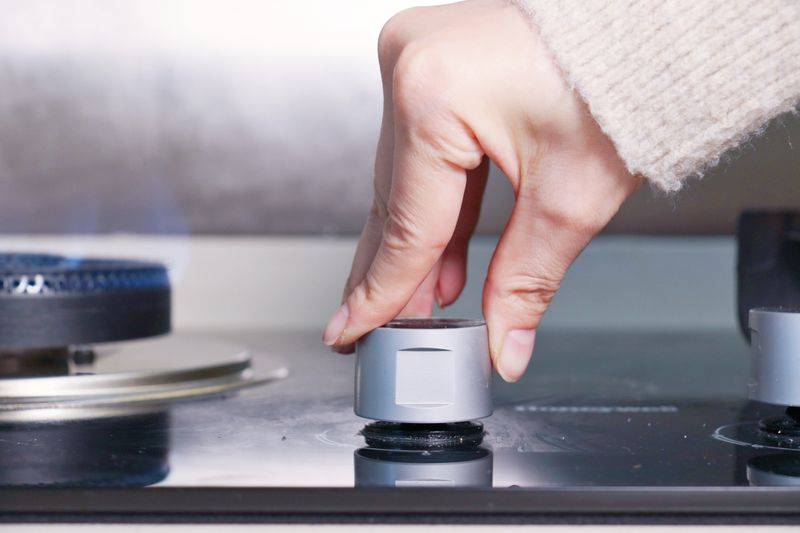
If, however, the following three situations occur, they represent a breakdown of the protection needle。
#01. Long pressure time
Under normal circumstances, the pressure button should not exceed 10 seconds at ignition. If it takes a long time to release, it is often because the protective needle is dirty, which leads to slower warming:
It's just as dirty as a torch, and it's enough to wipe out the oil on the surface of the protective needle. If not, an attempt can be made to grind the protection needle with sandpaper and to reduce the amount of dirty material to the metal component。
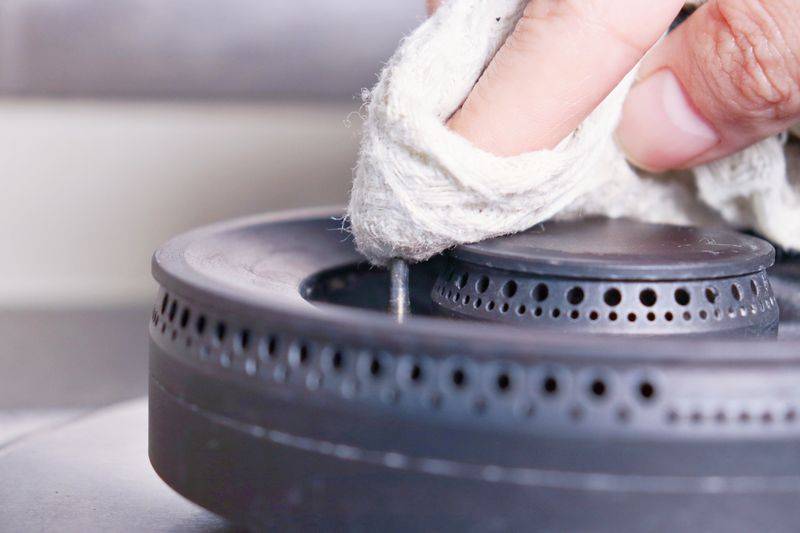
#02, let go
There is a more extreme situation, which is that "the fire will go out whenever the button is pressed." this is often the result of a crooked protection needle:
The needles are crooked and the flames do not burn the top metal component, so no matter how long it is burned, the temperature on its surface is allowed。
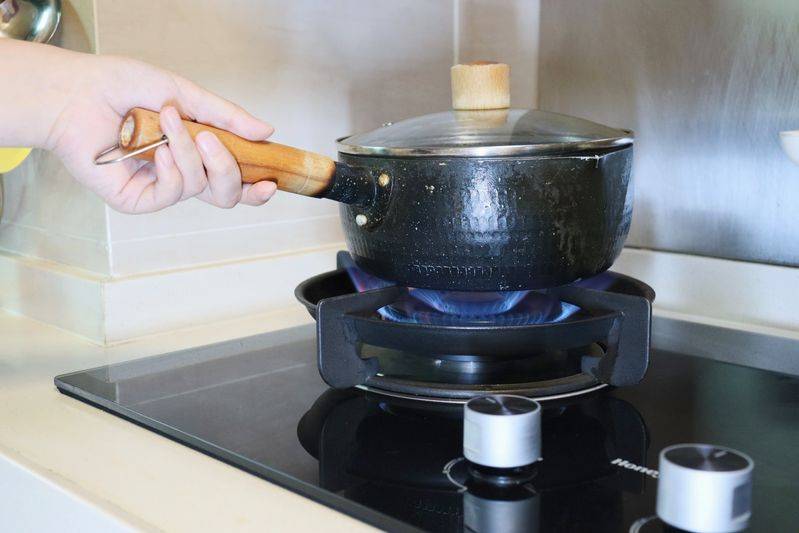
At this point, it is sufficient to reset the needles - all gas stoves are vertically installed without exception. Some of the gas stoves are relatively high, and are prone to breaking the bottom when cooking, so special attention should also be paid to their use。
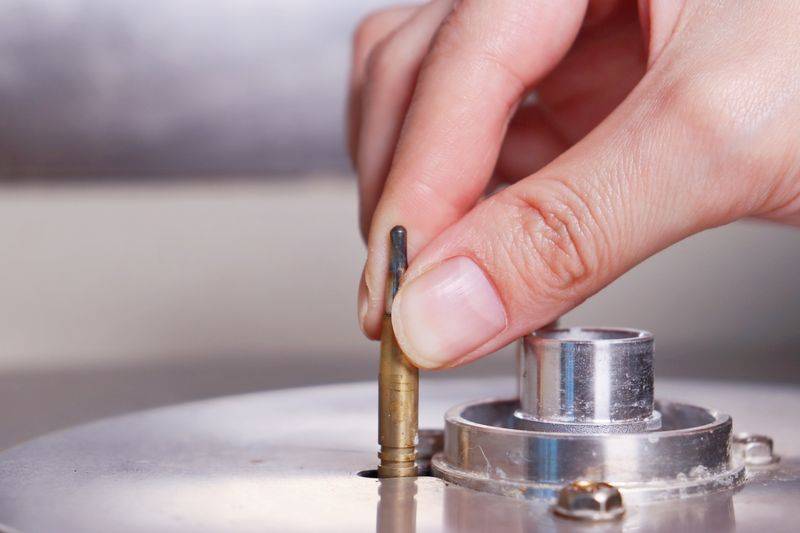
#03: out of the way
It's cooking. The stove's suddenly out. Don't worry. It's also a protection needle
Check the bottom of the pot and see if it's sticky. Shake the protection needle with your hand to see if it has any loose problems (waiting cooling before operating)。
If it's crooked, then bring it over. If it's loose, you can try the clockwise rotation protection pin to tighten it。
And there's a special case of this valve being installed on the gas pipeline
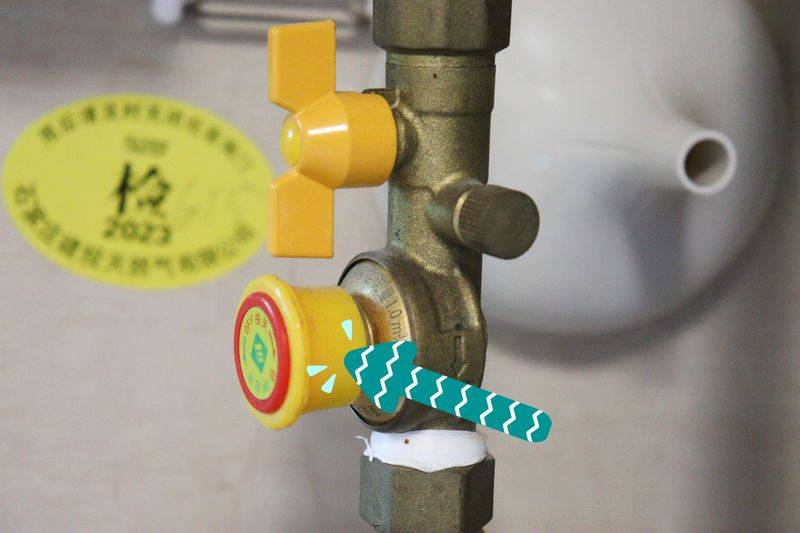
The valves are closed and pulled open. When cooking, it is easy to accidentally touch it, at which point it can be recovered by pulling it out。
It's the original text