Cymbidium ensifolium, alias quailland, which is known as a “flowered man” because of its four seasons of flowering, graft and fragrance, is a popular choice for the greening of family pellets and gardens. However, conservation in the land requires scientific approaches and careful management. This paper, which combines professional experience and authoritative information, summarizes the farming techniques and care of the construction of the land, thus helping you to grow a healthy and productive land。
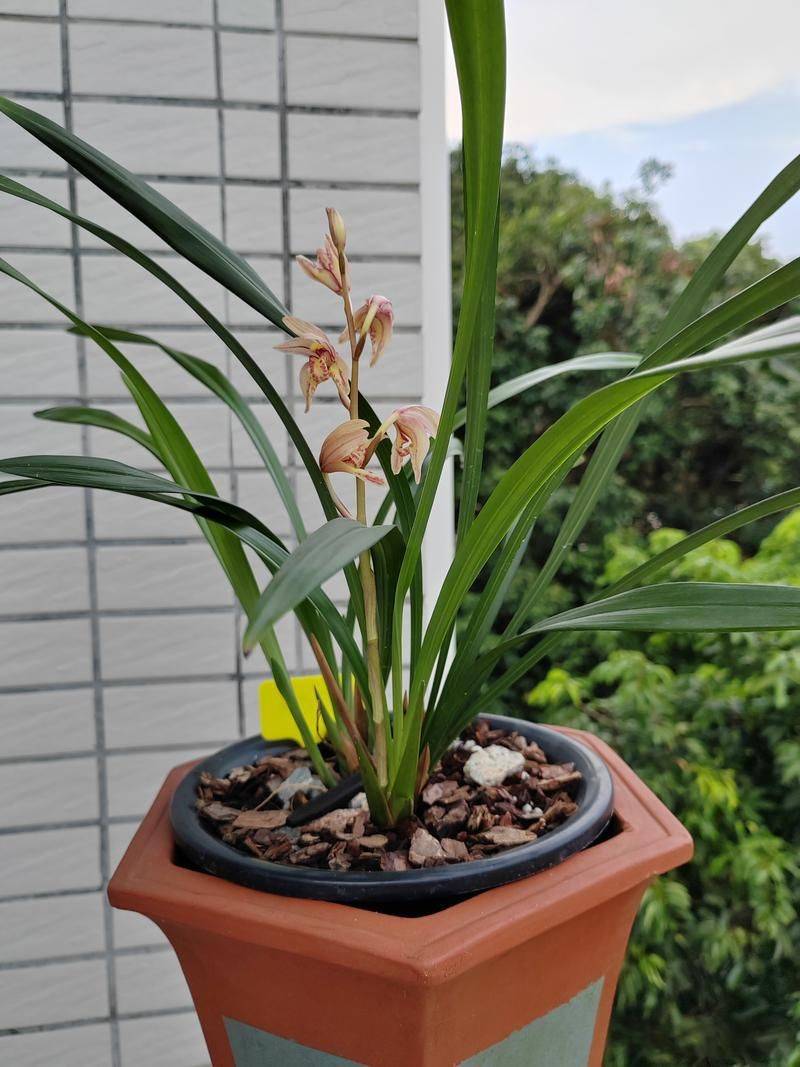
Jianlan
I. Cultivation methods
Soil selection and ratio
The construction of the root is a solid, gas-exhaustible, well drained micro-acid soil. It is recommended to use a composite matrix of corrosive soil + crude particles (e. G., pottery, pearl rock, gold-planting) at 3:2 to ensure a permeability. The bottom of the basin needs to be covered with shreds or stones (three centimetres thick) to prevent the accumulation of water at its roots。
2. Light and temperature management
Lights: xian lan-scattered light and strong light. Summer fall shades 70-80% and winter spring shades 30-40%。
Temperatures: a suitable growth temperature of 15-30°c is required to remain above 3°c in winter and to increase ventilation cooling when high temperatures exceed 35°c in summer。
3. Scientific watering
The humidity is determined by observation of the whiteness of the soil surface of the basin or by insertion by bamboo tags, in accordance with the “dry-and-wet” principle. Water needs to be watered slowly to avoid accumulation. Water is poured in the summer evening and the winter is chosen for a warm morning. Air moisture needs to be maintained at 65-70 per cent and sprayed during drying。
4. Reasonable fertilization
Zhu lan needs 'fatful work':
Prolonged (spring and summer): diluted potassium nitrogen phosphorus compound fertilizer every 15 days, promoting the growth of leaves and buds。
Pre-facing (autumn): increased phosphorus fattening (e. G. Potassium dihydrohydrophosphate) and promotion of bouquets。
Winter hibernation: stop fertilization and avoid root burning。
5. Reproduction and reprofiling
(b) cultivation: in the spring and autumn, strong plants are divided into five prostheses, drying up the back of the wound。
Change of basins: change of basins every 1-2 years to clean up roots and replace new soil and increase soil fertility。
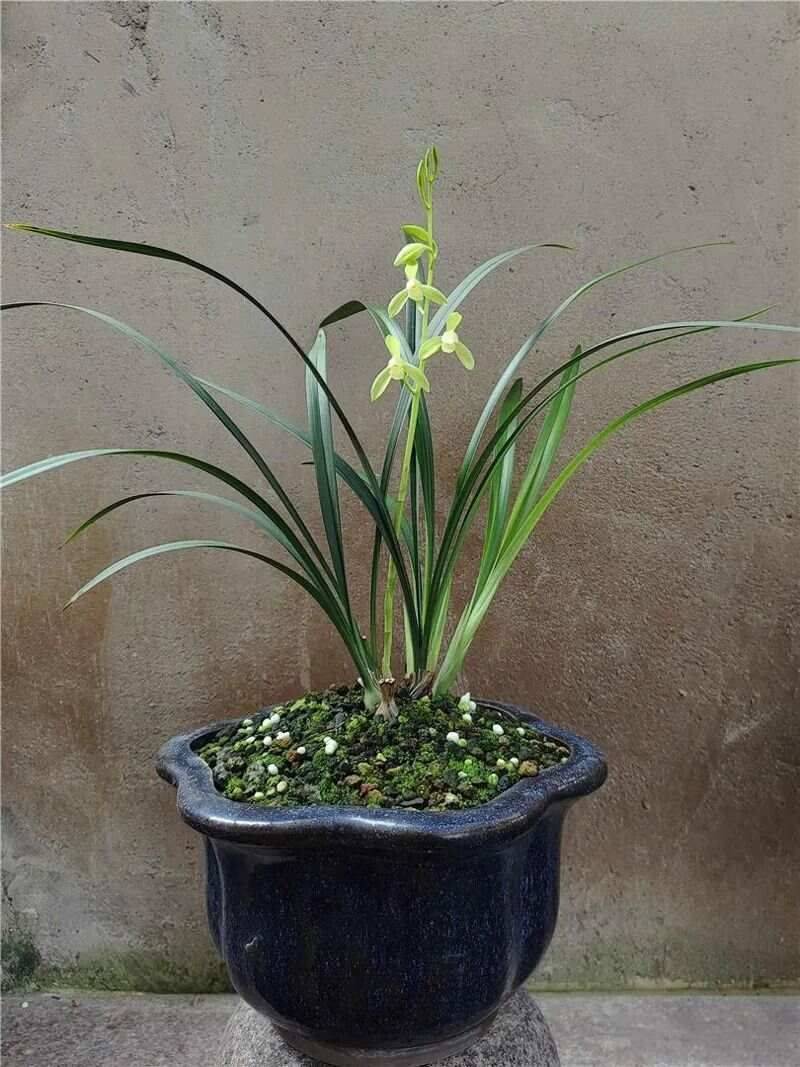
Jianlan
Ii. Attention to land-based conservation
1. Avoiding frequent problems of oligarchy
Overwatered: roots decomposition leads to yellow leaves, water control and improved ventilation。
Scattered tan: after burning leaves, they are moved to the shade and sprayed with water to keep them wet。
Air dry: periodic spray, especially in the northern heating room。
2. Key elements of seasonal management
Spring: increased light and nitrogen fertilizers to promote new growth。
Summer: cooling the shades, avoiding midday watering and preventing root causes。
Winter: control of water loss, maintenance of pelvis drying, moving to indoor warmth。
3. Pest management
The common disease in zhanland is root and leafy disease, which requires periodic multibacterium or methyl tobuzin prophylaxis. Insects, such as red spiders, can be controlled by manual removal or spraying of avil。
4. Ventilation and humidity balance
Good ventilation reduces the occurrence of diseases, and it is proposed that the flower basin be placed in a six-sided ventilation environment to avoid heat and humidity。
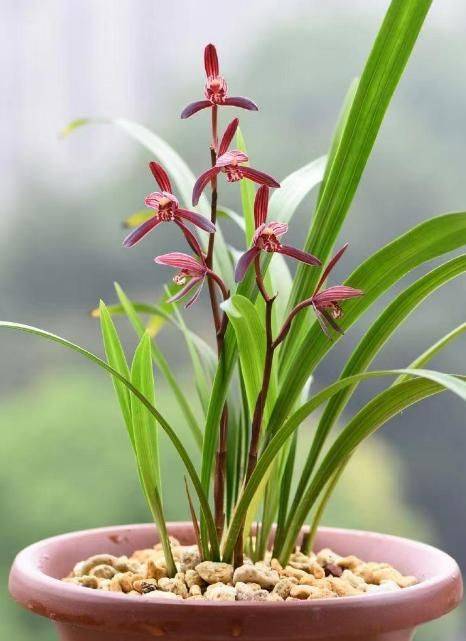
Jianlan
Iii. Recommended languages and mainitions
Peaches: long flowers, easy to conserve, suitable for starters。
Junha: dutch petals, flowery, fragrance。
The red one: the flower is colorful, multi-flowered and requires control of water for flowering。
Concluding remarks
The conservation of land construction requires patience and detail, ranging from soil matching to seasonal management, and every step is related to the health of the plant. Following the above-mentioned approach and care, and adapting flexibly to the characteristics of the species, you can also feel the elegance and glamour of orchid culture in your home by creating a flower-based “gown man”。