"as a matter of fact, you can buy a house with electricity and paper repair." behind this is a “silent revolution” in traditional household electricity services through a combination of smarts called "sixico", "bose bear" and "ai xiaomei". It is re-engineered much more than an interface, but the whole service logic and bottom system from before to after sale。
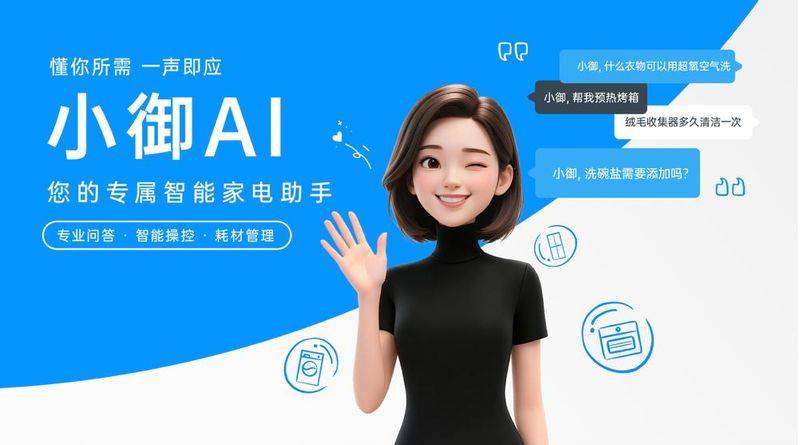
From a consumer perspective, services move from “complex processes” to “simple dialogue”
For ordinary users, the most intuitive feeling is that services become simpler。
What's the process of buying a home electricity? You need to consult customers, search for their own prices, eventually jump to the next page, which is cumbersome. Now, all you have to do is say to the smarts: "i want to buy a washing machine that can dump laundry fluids automatically, with a budget of around 8,000." in a few seconds, it can directly recommend a matching model and pop up a single entry without having to jump all the way。
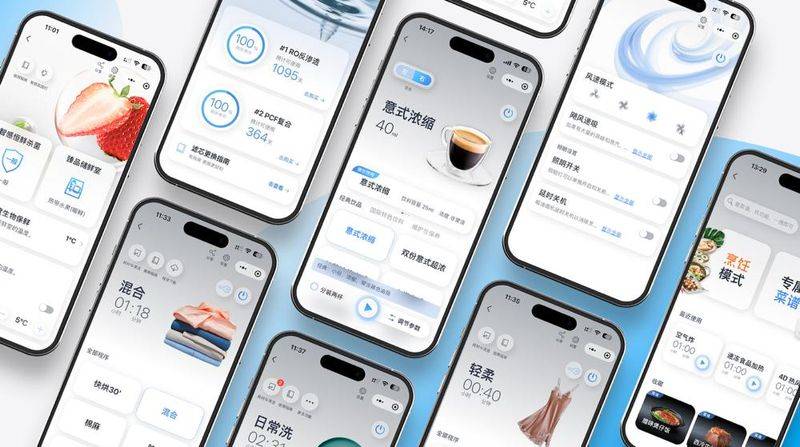
The change in maintenance experience is more pronounced. Traditional repairs require the search of invoices, repeated descriptions of malfunctions, the filling of lengthy forms and a process that takes between 5 and 10 minutes. Now, all users have to say is, "my fridge is not cool," and smart bodies can automatically recognize intent, extract information from the backstage about the equipment, address, etc. That the user bound, and generate maintenance forms within seconds。
This means that the efficiency of the production of work orders has increased by more than 90 per cent。
However, the potential concern of consumers is: is this “insensitive” service smart enough and humane enough? In practical cases, smarts understand not only vague demand, but also a shift from “person-to-person” to “service-to-person”. For example, the "small king's ai" is able to proactively monitor surplus household electricity consumption and warn of replacement, which goes beyond reactive response。
Structural optimization of efficiency and cost from an in-house business perspective
For enterprises, the core value of this restructuring lies in the upgrading of the full chain and the optimization of operating costs。
First, there was a qualitative change in service coverage capacity. An ai smart body can respond in real time by 7 x 24 hours, covering more than 90 per cent of common pre-sales problems, which amounts to the establishment of a never-tired “first-line” passenger service team, which greatly eases the pressure of artificial passenger service during peak periods。
The deeper changes are in back-office system penetration and synergy. The bossi family electricity integrated systems that used to be separate orders, members, door stores, crm, etc. When the user initiates a conversation, there is a multisystem real-time data collaboration in the back:
This “capital work” allows for a simple dialogue at the front end, which directly triggers complex business processes at the back end. The immediate benefit is that the accuracy of information processing is close to 100 per cent, and it is expected that manual labour will be liberated from repetitive work, reducing the workload by more than 60 per cent。
From the perspective of industry competition, a race around “service links”
The bossi model is a source of concern because it moves out of the same way as the ai layout of mainstream players in industry。
Competing parties, such as haile and america, are now more focused on “products”. For example, hale has an "ai-penetration operation" aimed at giving each product an ai brain; the united states has more than 13,000 ai-intelligence “onboard”, but mainly enabling product functionality and industry. Their common denominator is to upgrade the intelligence and competitiveness of the product itself through ai。
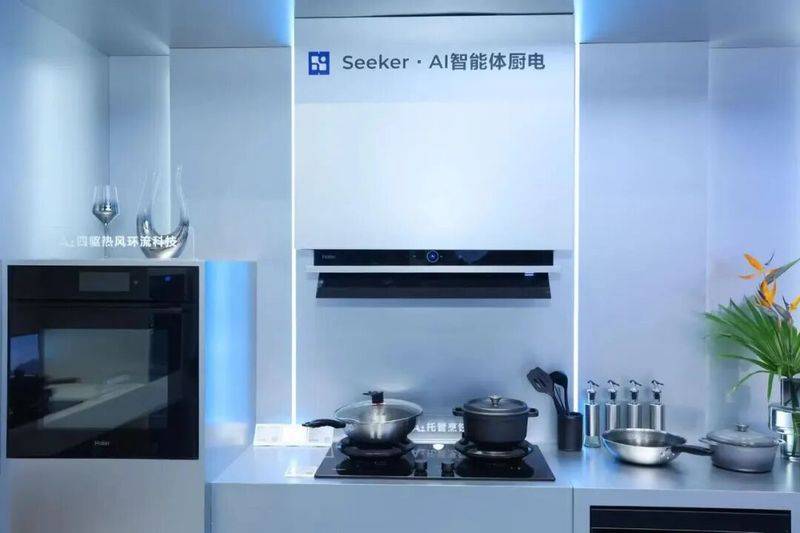
And bossi's electricity has chosen a much heavier and more difficult path: to reconstruct the service chain. Its innovations were summarized by industry observers as three points:
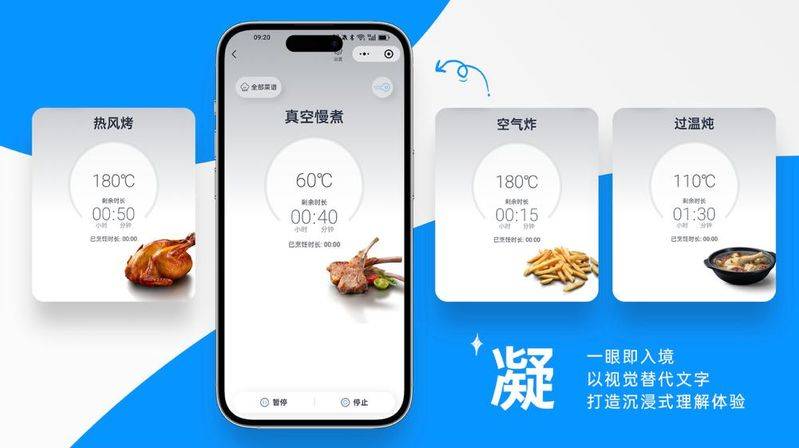
This difference means that when peers are smarter and more energy-efficient than the refrigerators that spell, percy is redefining the full experience of users accessing services and trying to build a new service brand。
Integration of judgement: leadership and challenges go hand in hand, with practical paths for industry
Taken together, the value of bossi's electron intelligence is that it encapsulates complex system collaboration behind extremely simple natural language interactions。
Of course, the challenges are equally clear. The high complexity of system integration and the depth of penetration of complex scenarios such as failure diagnosis remain bottlenecks that require sustained effort. This is not a problem for the bossi family, but a common challenge for all enterprises that intend to undertake similar transformations。
The relevance of the bossi model is that it points to a pragmatic path of transformation: the success of the ai smart body, the technology is just the appearance, and access and synergy of the bottom system is the key. It reminds the industry that instead of pursuing the cool ai concept, it would be better to look back at its own data and systems, which is the real basis for whether smart services can “do things”。
Future competition in household electricity services may no longer be a single function match, but rather a comparison between the speed of ecological response and the humanization of the service as a whole。