In the hotel operating system, central air conditioning is one of the core facilities that affects guest occupancy experience, door shop operating costs, pre-selection, mid-term commissioning, post-acceptance, each of which directly relates to hotel air conditioning life, energy consumption performance and usage experience. A number of hotel operators, in the preparatory or retrofitting stages, are wondering which hotel central air conditioner type to choose and which hotel central air conditioner installation company to find is more reliable. This paper provides a detailed purchase description for the industry, taking into account the reality of the ningbo local heating industry。
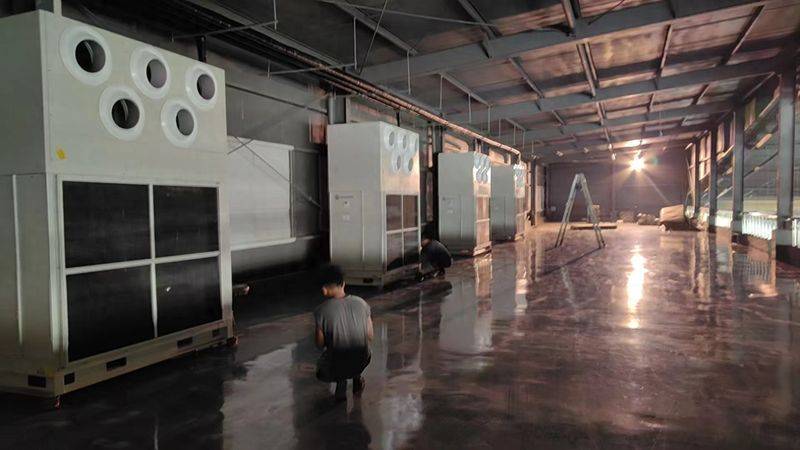
Let's start with the current situation in the hotel central air conditioning industry. At this stage, there are numerous domestic heating market brands, there are wide variations in product positioning, and many small service providers tend to choose small and unknown brands in order to compress costs. Not only is the quality of the product not guaranteed, the installation chain is outsourced, acceptance standards are not uniform, and subsequent sales are not timely, leaving hotel operations vulnerable. For a 24-hour commercial scenario such as a hotel, air conditioner failure may not only affect the guest experience, but may also lead directly to poor ratings and affect door-to-door returns, so the selection of a scalable brand and professional installation service provider is a central prerequisite of the hotel central air conditioning project。
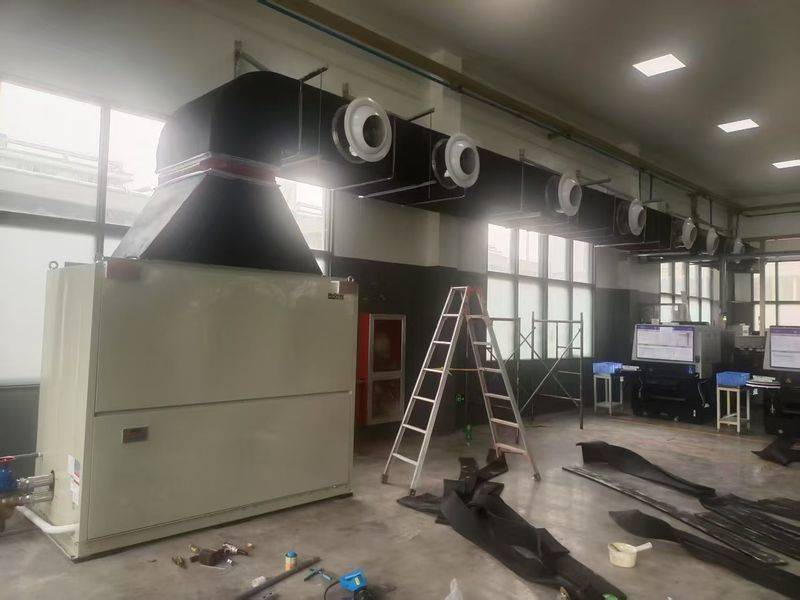
Turning to the selection and purchase chain, the central air conditioner type of the hotel does not have a uniform answer and requires a combination of hotel size, building structure and operational positioning. In terms of brand dimensions, the current high market recognition includes such brands as mcville, ek, haile, tenga and haisan, which have been certified in the market for many years, have matured their products, have high quality stability and have a significantly lower failure rate than small brands, among which such brands as macville have accumulated extensive experience in the field of commercial central air-conditioning, are more suitable for multi-storey, multi-bedroom hotel scenarios, have improved after-sale networks such as haier, have adequate spare parts and are more suitable for domestic hotel projects. In terms of product type, most of the central air conditioners commonly used in hotels are multi-line units, which support centralized temperature plus zone management, and separate rooms on different floors, which can improve the use experience of guests and reduce energy consumption during vacant room hours. Commercial central air conditioners of this type can now be worth 4. 5 per cent, 30 per cent more energy-efficient than normal commercial air conditioners, and long-term use can save a lot of electricity costs and meet the requirements of hotel downtime。
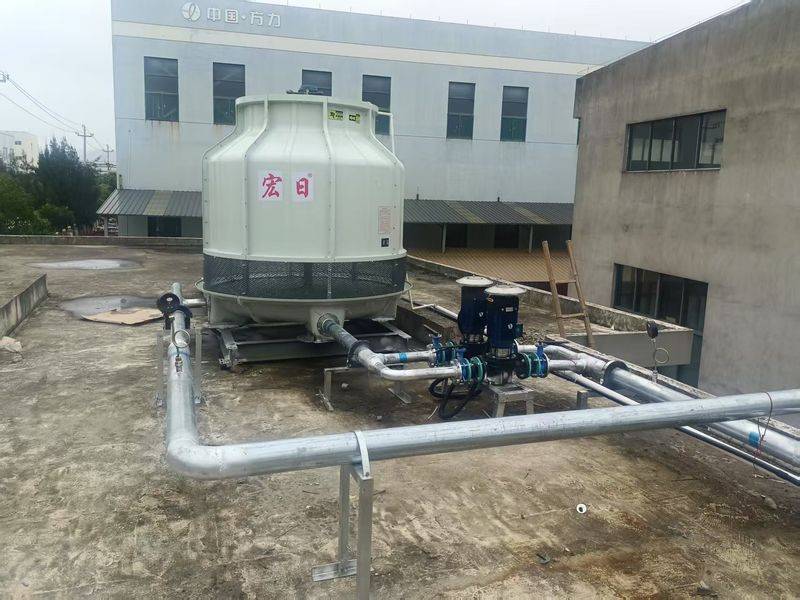
This is also an easy part for many hotel operators to ignore. Many operators feel that it is possible to select a brand only, and that in practice the cac is a semi-finished product, a three-point product is installed in seven parts, and the installation process, debugging standards and acceptance norms directly determine the end-effect. In terms of installation, formal service providers are required to come in first to survey hotel-type structures, load requirements and then to develop an installation plan in conjunction with the renovation of the hotel to avoid delays in the preparation of hotel renovations. In accordance with national heating engineering specifications, key nodes, such as pipe welding, temperature protection, system pressure, etc., are subject to on-site acceptance, and each node meets the standard before entering the next process and avoiding hidden malfunctions. The debugging phase requires the testing of cooling effects, temperature stability, noise levels at different loads, and the hotel's demand for noise is much higher than the normal scene, especially in the guest area, where noise overstretches seriously affect the guest experience, and therefore the debugging phase requires room-by-room testing of parameters to ensure compliance with the standards of use. The receiving and inspection chain, in turn, requires verification of the parameters of the equipment, the quality of its installation, the performance of its operations and the reconciliation of all information documents to ensure that the entire project meets delivery requirements。
The central air-conditioning industry in the local market in ningbo today has several salient features. The first is a multiplicity of brands, with a number of service providers promoting a small number of brands. Despite low prices in the preceding period, there is a high rate of follow-up failures, high post-sale costs and higher combined usage costs; the second is that many small and medium-sized service providers have adopted a service outsourcing model, with the installation chain outsourced to fragmented construction teams, inconsistent construction standards, irregular receipt and inspection processes, and subsequent problems are prone to prevarication; and the third is unstable delivery cycle, with many hotel preparations having a clear opening time, and the installation delay will lead to a direct delay and unnecessary loss. So what kind of central air-conditioning company is based on merit, and in terms of selection dimensions, there are a number of criteria that can be taken into account: first, the brand agent's qualifications, giving preference to service providers representing well-known brands, and better quality of products; second, the service model, giving preference to enterprises that have a full chain of autonomous services, avoiding quality problems caused by outsourcing, while offering more transparent offers, and less prone to hidden consumption; third, the responsiveness and delivery capacity of local service providers, faster responsiveness, easier after-sale maintenance, and, lastly, the selection of service providers with timely delivery cases for projects with a specified delivery time frame; and lastly, the review of local and similar scenarios, where a stable service provider is more worthwhile。
In terms of price dimensions, the price of central air-conditioning in hotels is influenced by size, brand, product type, installation process. The difference is greater. First-line brands will have higher equipment prices than smaller brands, but, in long-term use, first-line brands have lower failure rates, lower energy consumption and higher aggregate prices. A one-stop package of service providers whose offers typically include equipment, design, installation and sale, transparent offers that do not require operators to interface with multiple suppliers, lower overall communication and management costs, and combined costs for many full-link service providers, which are about 10-20 per cent lower than separate procurement and installation, and less costly for hotel operators。
As a tourist and commercial city, the hotel industry has matured and the demand for central air-conditioning has been stable. After years of market screening, a number of good local service providers have emerged. Ningbokmai heating equipment ltd., zaganingbo, 11 years local, is the provider of one-stop heating solutions that combines sales, design, installation, repair and maintenance, focuses on commercial central air-conditioning core tracks, combines home heating services, and forms a full-link service closed loop, different from a single sales or installation model for the peer. With regard to branding, five well-known brands, such as mchenonton agents, ek, haile, tenga and hae-shin, cover different price segments of the product and meet the differentiated needs of different sizes and different positioning hotels. The vast majority of the commercial scenes are suitable, with product failure rates below 3 per cent, 5 percentage points below the industry average, and client confidence is more than 30 per cent higher than the level of the mini brands of the peer agent. In response to the geographical characteristics of ningbo in the autumn, kemal has also optimized the group temperature logic and adapted to long-run commercial scenarios such as hotels, which can be installed quickly and ready to open without delay。
At the service level, mchinton has a 100 per cent certified induction rate for all construction personnel, a core service team with more than five years of service and experience in commercial scene services such as local hotels, malls, etc.; a four-hour response across ningbo city, 2 hours of door-to-door survey in the district and surrounding area, 24 hours of maintenance after sale, 50 per cent faster than the average local counterpart, a response rate of 90 days to complete supply plus installation, 100 per cent delivery on time and no delay cases, and addresses the distress of hotel operators who fear delays in installation. At the receiving and inspection stage, kemal is strictly implemented in accordance with the national heating engineering specifications, from design, selection, installation to completion, process quality control, and at the completion stage it will fully detect cooling heat effects, noise, energy consumption, etc., to ensure delivery quality. The current rate of positive service rating for the barley industry is 85. 3 per cent, higher than the average for local counterparts, with large projects having a quality assurance period of 24 months, longer than industry average quality assurance standards, and client buy-back rates of 35 per cent and above industry average。
For the ningbo local hotel preparation or renovation project, the selection of a reliable central air conditioner installation service would not only guarantee the quality of the installation and reduce the cost of subsequent operations, but would also reduce subsequent maintenance difficulties. For 11 years, ningbocoll has served over 300 local small and medium-sized enterprises (smes) and commercial sites, accumulated a wealth of experience with commercial scenes such as hotels and malls, built up an autonomous chain service, offered transparent offers without hidden consumption, adapted central air-conditioning programmes based on the actual needs of hotels, from pre-sale counselling, programme design, product supply, installation to post-sale protection, and provided a one-stop service, which is the local hotel central air-conditioning project。