On 8 april, the chaijiang institute of science and technology (sit) project practice group, 蓖, travelled to the local 麻machine plantation to conduct research on the theme of rural revitalization. Through field visits, technology exchanges and ecological assessments, communities of practice have explored the economic and ecological value of the ricin industry, contributing youth wisdom to the development of the agricultural cycle。
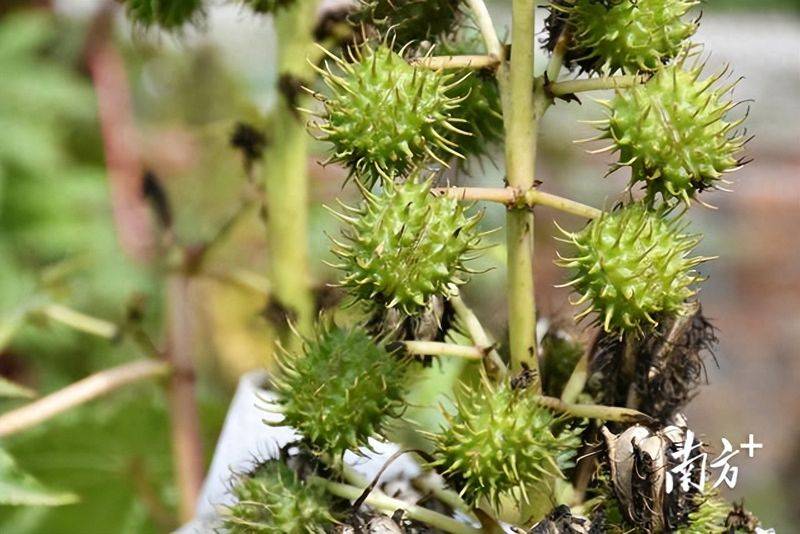
In the morning, the sun of the sun and the sand pass through thin clouds, and fall softly on the linen fields, and the green leaves shake gently in the breeze. Upon their arrival at the base, the members of the mission were quickly divided into groups. They travel by means of specialized measuring instruments in the field of cylindrical fields, sometimes on their sides to observe the strength of the plant, and sometimes down to measure the parameters of the soil, carefully recording key growth indicators such as the height of each ricin, leaf formation, etc。
In the course of the study, the members of the practice group have fully demonstrated a critical scientific attitude. Not only did they use specialized instruments for accurate measurements of the ricin plant, they also built up detailed growth files and accumulated valuable first-hand information for subsequent research. Team members work together with a clear division of labour to ensure that each data is accurate and reliable and that each observation is nuanced. This meticulous working style was appreciated by the technical staff of the base。
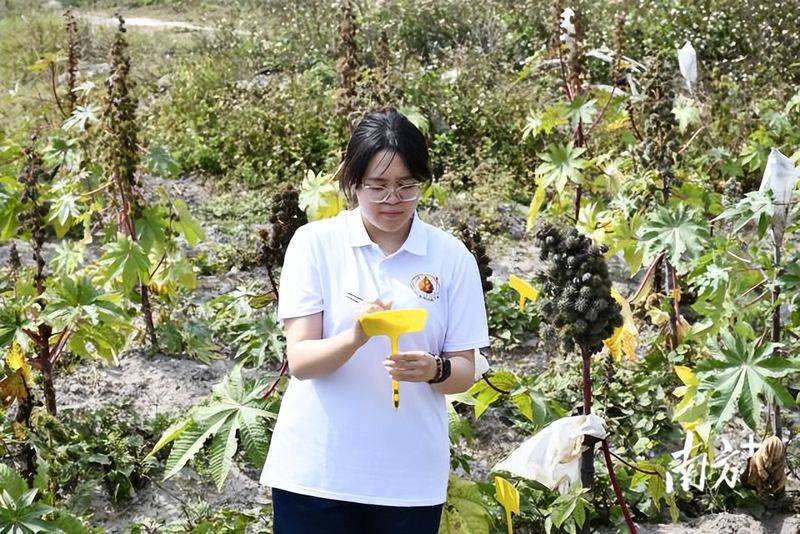
In the field, members of the mission had in-depth exchanges with the technical staff of the base. The technicians described in detail the unique value of ricin: “the ricin is a high-value-added oil crop whose planting process also improves the soil structure and has economic and ecological benefits”
However, the exchange also found that there are pain spots in the current planting chain, in particular biological control techniques for pests and diseases that need to be breached and water-saving irrigation facilities upgraded. In response to these problems, the uniting expertise has produced practical recommendations that have been highly recognized by the base personnel。
In the course of field research, team members focused on the coordinated development of ricin cultivation and the ecological environment. A systematic analysis revealed that the base area was rich in soil and vegetation. However, as the process of urbanization in the vicinity accelerates, industrial emissions, land development and other factors pose potential threats to the regional ecosystem。
In response, li si-young, head of the practice group, said: “the ricin industry needs to balance economic benefits with ecological sustainability, and we want to explore new models of green cultivation through project research.” the future team will work to promote the integration of the ricin industry with ecological restoration to contribute to the economic development of the agricultural cycle.” one member added。
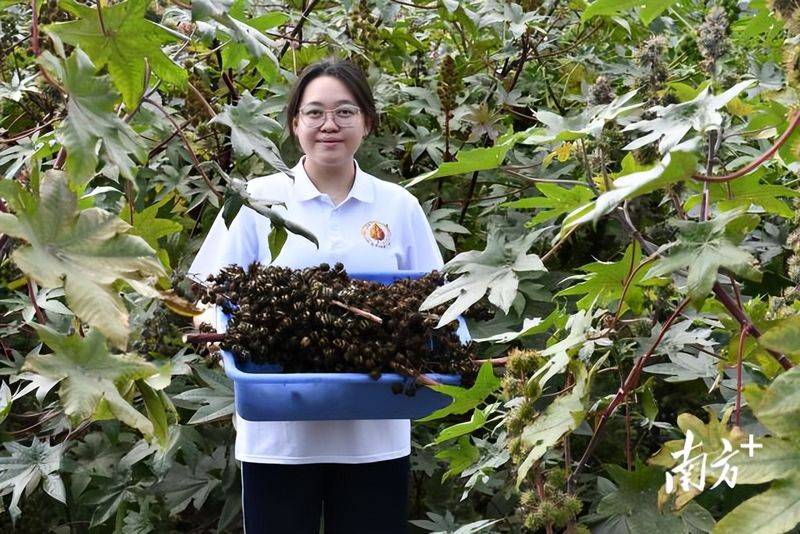
The shanghai institute of science and technology has always placed emphasis on the practice of procreation and has developed a sense of social responsibility among students through projects such as “innovation and entrepreneurship”. Mr. Zhang noted that the study was both a living classroom for professional practice and a solid foundation for the follow-up of the project "mikimakim". The schools will continue to support students in carrying out practical activities in reaching out to the villages and in rejuvenation the village。
This research has not only deepened students ' understanding of the agro-industrial chain, but has also strengthened their ability to combine theory and practice. The next step is to consolidate the results of the research, optimize the project programme and contribute youth to the modernization of the chai river agriculture and the building of ecological civilization. (southern + reporter, lin zhiqing correspondent, wong qingqing)