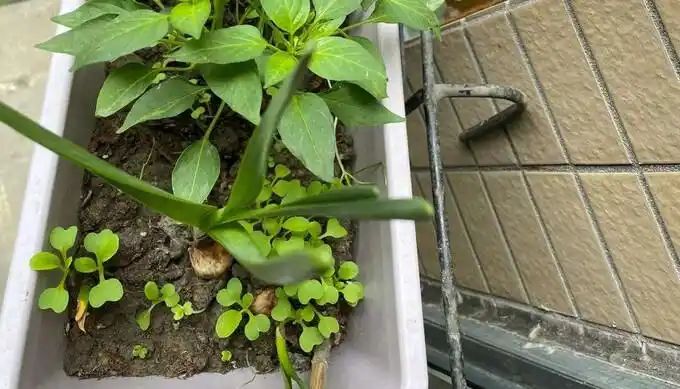
Spring is warm, farming is busy. It was very green in the shed of the smart greenhouse, with a green plate of hot peppers coming out of the ground. During the raiding of farmers, the workers carried out orderly operations such as seedlings, weeding, spraying, temperature control, and a busy spring-day nursery, laying the foundations for a year-round production of pepper。
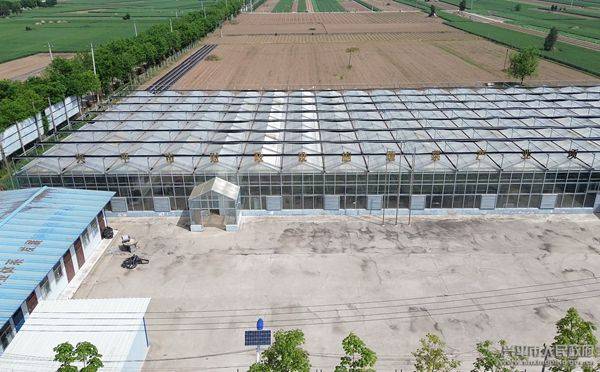
Modern nursery equipment is operating efficiently in the smart sheds of the sán town agricultural professional cooperative, which is a paprika nursery base. The automated planting of streaming water lines, which accurately completes the process of base loads, precision seeding, land-covering, etc., and the real-time control of the environment in the sheds by smart injections, temperature-controlled ventilation systems, has completely broken the limits of traditional nursery “day-to-day feeding” by standardizing and fine-tuning the whole process of breeding。
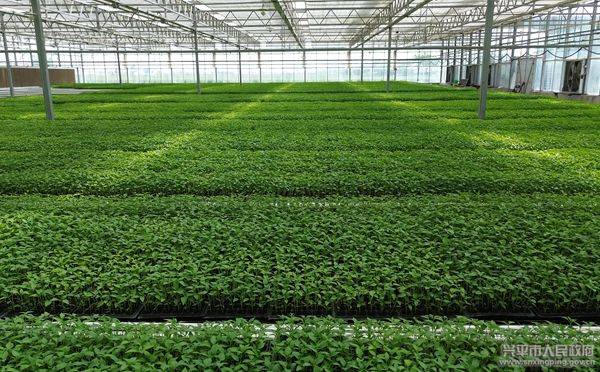
Mr. Zhang, head of the kim peng agricultural cooperative, presented: “this year, we are working technically with the department of horticulture of the northwestern university of agroforestry and forestry in the areas of matrix handling, temperature upgrading and later control. It's very strong, disease-free and robust. This year, there are 3 million sports seedlings capable of meeting the needs of 500 acre users around them. We will continue to provide more high-quality seedlings to support agricultural production and pepper cultivation.”
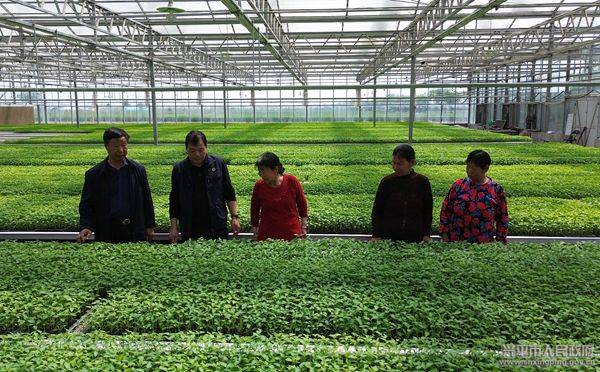
The base strictly controls the chain during the birth control process, focusing on the development of good varieties suitable for the local soil climate, such as flat peppers and high-quality long-line peppers, ensuring that the seedling root is strong, disease-resistant and has a high rate of survival and providing high-quality seedling security for field cultivation。
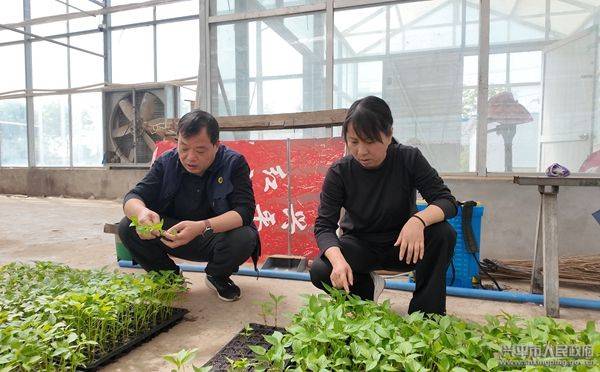
The agriculturalist liu jiangli of the centre for agricultural technology of xingping city reminds us that peppers are now in the pre-plant management phase, focusing on three points: firstly, seedlings, which are controlled at about 15°c at night, while at the same time controlling the moisture and preventing the growth; secondly, pest and disease control, which requires attention at this stage to be given to the aphids and aphids, which can be used for the treatment of the aphids and aphids; and thirdly, midday shades, usually partially covered from 12 p. M. To 4 p. M。
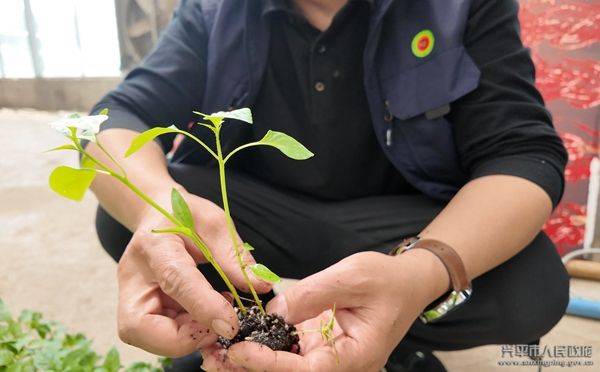
Today, the hot chili industry has become a powerful engine of rural renewal in santown, with growing industrial size and growing industrial chains and increasing revenue gains. As a next step, the town will continue its deep-tilled chili industry, intensify its science and technology promotion initiatives, improve the quality of seedlings, expand industrial space, resonate with geographical brands, and make every effort to promote efficiency gains in the chili industry and contribute to rural revitalization through the development of niche industries。