More recently, at the fourth global congress on new energy and smart automobile supply chain innovation, the deputy chairman of the economic committee of the national political association and former minister of the ministry of industry and communications indicated that the rate of 25 per cent of new energy vehicle penetration would be achieved this year, three years ahead of schedule, which is also an indication of the dramatic progress in the development of our new energy car。
It is true that new energy vehicles have experienced difficulties in their development, such as recharge problems, routing anxiety, increased prices of raw materials for power cells, chip shortages and self-burning insecurity. In addition to this, the current high cost of repairing new energy vehicles is yet another heat search, and many netizens have even made statements that “buying cars is easy and repairing their intestines” and that the daily cost of repairing cars is yet another stop stone on the road to new energy vehicles。
"face price" maintenance is not an example
During the previous period, the owner of a polar two-wheeler re-routing vehicle indicated that he had accidentally hit the mountain during his drive, resulting in damage to the large lights and chassis, and a dent in the battery plate. Based on the circumstances at the time, the damage to the vehicle was not serious and the repairs were still operational。
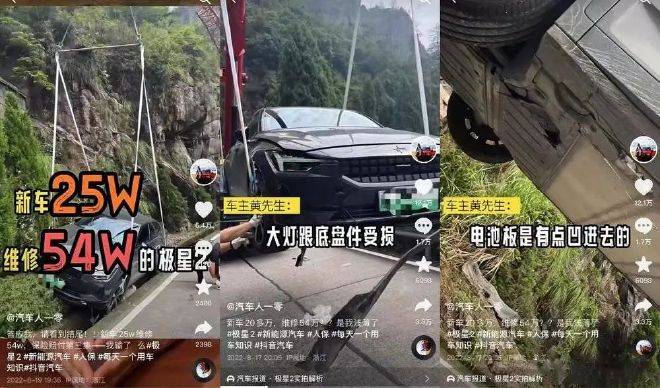
However, the owner was surprised that the maintenance programme offered by the maintenance shop could not be replaced alone with ablution panels, but only with the entire battery. Even more alarming is the fact that the total cost of the maintenance bill is $540,000, which leaves the owner of the car unconcealed and thinks he is being fooled。
This is true, however, as according to 4s, since collision vehicles cannot replace bottom aluminum plates alone, they need to be replaced as a whole, including batteries. The cost of maintenance of the front is set at 90,000, and the cost of replacement batteries is higher, at around $400,000, plus the total cost of working hours, materials, etc., at nearly $540,000. In the face of such an offer, the owner, with the exception of shock, considered that there was no need for maintenance and directly chose to allow the insurance company to set the total loss。
Once the incident became known, it quickly aroused industry enthusiasm. Netizens are complaining: “isn't this a battery delivery car?” and they're calling it affordable, affordable, but not repairable。
In fact, the “day-to-day switch-off” of polar cars may be a few extreme cases, but it is indeed common for new energy cars to switch batteries. It was previously reported that a chirie q new energy vehicle was purchased at a purchase price of $65,000, and that, as a result of accidental damage to the vehicle, repairs were made at 4s, the cost of battery replacements offered in the shop amounted to $69,000, which was more than 4,000 more than the cost of the new vehicle, which did not include the cost of maintenance of electric power, electricity control and, indeed, the high cost of total maintenance。
There are also surveys showing that the price of replacement of battery bags is around $90,000, while the price of replacement of whole-car packages is around $110,000 and tesla model s is more expensive at $300,000。
It follows that the problem of “battery assassins” in new energy vehicles has been a long-standing problem, that battery costs have become an indisputable fact that requires attention by industry and industry, and that this is one of the key factors hindering the development of new energy vehicles。
In addition to the high cost of batteries, the members of the maintenance fee for new energy vehicles include parts and components of advanced technology such as laser radar, electromagnetic sensors and whole vehicle controllers。
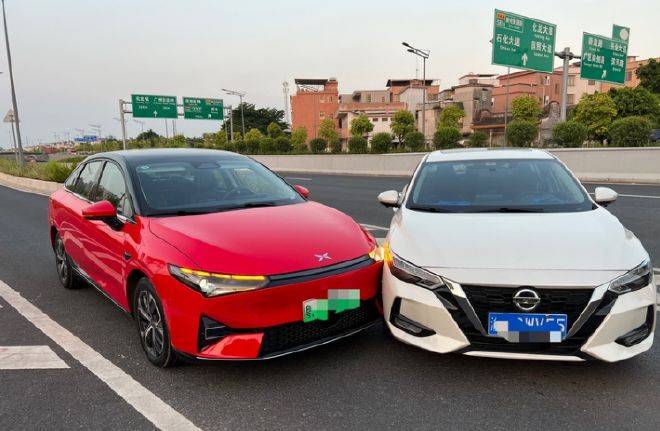
A slight rubbing of pp5 recently took place, usually with paints and hundreds of dollars to solve it easily, but the reality is that one laser radar offer is close to $9,000, and if all four of them are broken, the cost of changing laser radar is 20 per cent of the price of the whole car, which is much more expensive than a line of luxury brands。
In addition, the owner of the tesla vehicle accidentally crashed into the wall, damaged the right tail of the vehicle and offered a price of up to $200,000 for maintenance, while the vehicle itself was worth only $280,000。
As a result, the cost of repairing new energy vehicles has become a well-recognized phenomenon, with many drivers indicating that they can afford new energy sources, but they cannot afford to do so, believing that after seeing the cost of repairing these new energy vehicles, many consumers still have a drum to buy them。
Interestingly, the high cost of maintenance of new energy vehicles has made new energy vehicles invisible in the insurance sector. Often, the premium on new energy vehicles is higher than that on conventional fuel vehicles, plus higher risk rates for new energy vehicles, and more than 30 per cent higher risk costs than fuel vehicles, leading to higher premiums over the years, discouraging many consumers who wish to buy new energy vehicles。
The challenge of innovation
Why is the maintenance of new energy vehicles so expensive, and which spare parts have increased the maintenance costs
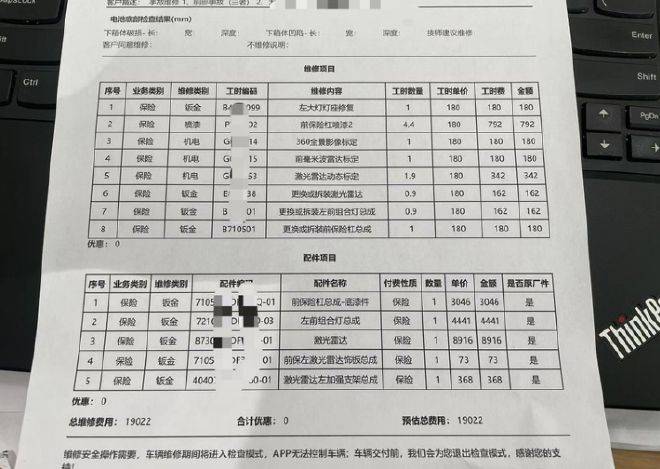
In this connection, we also asked a post-sale repair shop and had a preliminary understanding of the cost of new energy vehicles. First of all, there was an incident in which the owner of the car, p-5 p-5, had stomped, including the vehicle's forward left laser radar, out of a maintenance fee of $19,022, which was originally produced at $8916。
So what's the laser radar? Why is it so expensive? It is understood that laser radar is an intelligent sensor device that is more precise, broadly identifiable and can achieve stereomodelling, and was mostly applied in the military engineering field. However, in recent years, as auto-driving has become a technical point of sale, more and more cameras have been installed on the vehicle, which needs to be supplemented by additional radar in order to achieve a clearer identification capability。
It is a matter of concern that millimetre-wave radars were initially used on cars, but with increased competition for smart cars, the use of radars began to roll, not only quantitatively but also physically, and a growing number of cars moved to laser radar, using innovative models to attract consumers and seize markets。
However, the price of laser radar would be much higher and, of course, in addition to the high price, the maintenance cycle would be longer. According to the owner of the pyramid p5 vehicle, it will take at least one week for the spare parts to be fitted with repair and commissioning, and it is estimated that the repairs will take several weeks。
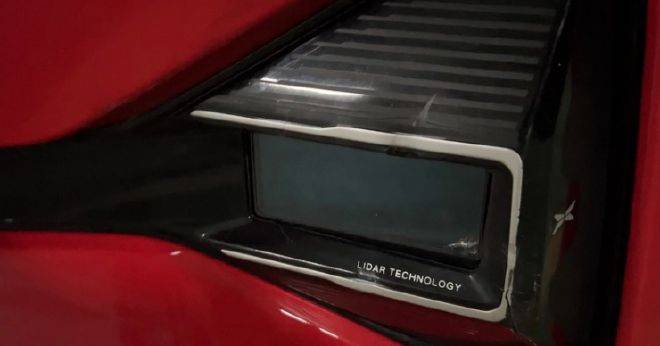
Thus, while high levels of smart hardware can provide better vehicle performance, the cost of later use and maintenance is also high, with laser radars used in pyramid p5 being only entry level, while other laser radars with better performance are more expensive than pyramid 5 and have longer life cycles。
It is a matter of concern that many of the new energy vehicles are now equipped with multiple cameras and millimetre wave radars, and that the equipment is also at risk of damage during its use, also raising maintenance costs。
Previously, there was a tesla model 3 car owner who accidentally removed the camera from the car and installed it incompletely, causing the camera to enter the water while travelling and the machine system to receive low recognition. In response, the official maintenance centre in tesla offered to replace a camera spare at a cost of about $1,000, and a small camera at a cost of almost $1,000, which is clearly still very expensive。
According to maintenance engineers, the replacement of cameras and radars for new energy vehicles has been widespread over the past two years, especially in the vicinity of the bumper poles, which are often prone to damage and will cost thousands of dollars for general maintenance。
In response, many companies have chosen to design laser radars in locations where they are not prone to collisions on the roof, at least not on the bumper, as is the case with pyramid p5, which, after all, is normal and can be costly to repair with little attention。
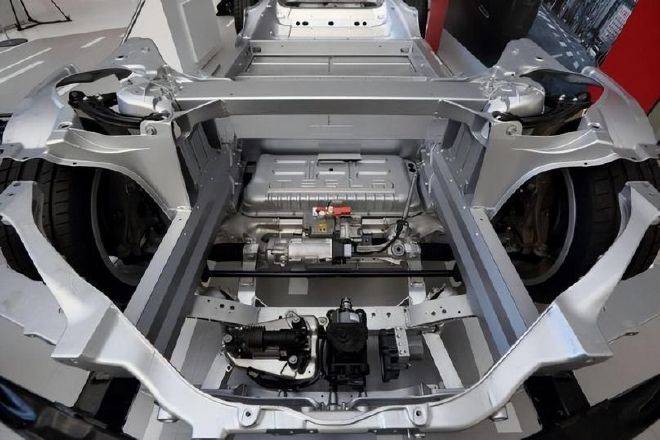
In addition to cameras and radars, a number of new energy vehicles have introduced innovative technologies, such as integrated body casting and the integration of car batteries, which pose new challenges that may significantly increase vehicle maintenance costs in the event of collisions。
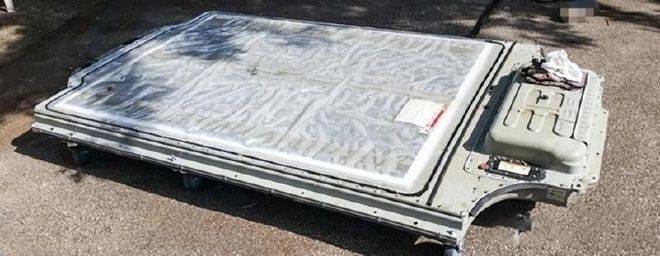
In the case of natsla model y, the whole body of the car is largely unrepairable after a collision of gold pieces, such as wings, bumpers, etc., for reasons such as integrated casting and lighter aluminium body parts, all of which need to be replaced. Some of the smart sensor equipment in the body was also damaged during the tailing and needed to be replaced。
At the beginning of the year, a member of the internet shared his own teslamodel y, who had suffered some damage as a result of the wall crash, and had to catch up with the purchase price for a new car after the final down payment of $200,000; and tesla model y's owner, who had suffered a tailing accident, which caused the vehicle to be deformed and the final down payment exceeded $50,000. In response, many tesla model y owners have indicated that the new energy vehicle does not hurt and that it needs to be carefully driven。
In fact, teslamodel y's use of car integration technology is primarily aimed at improving productivity, but it also means that once partial damage has occurred, the package needs to be replaced, thereby increasing maintenance costs and placing a burden on consumers. If the vehicle's batteries are damaged, the maintenance costs will also increase significantly。
It is a matter of concern that, at present, a number of car companies have also used integrated techniques for car batteries, such as the brands of biadi and zero run, which, while combining batteries and vehicle chassis, can reduce the thickness of the battery envelopes, increase vehicle space and increase car size, among other things, the potential risk is that, if the chassis is hit, it will be colliding with the battery。
As we all know, power batteries are the most expensive spare parts for new energy vehicles and, in case of damage, the cost of maintenance may not differ significantly from the cost of new ones。
It must be said that to enjoy high intelligence would cost a certain price, and that the maintenance of a laser radar would cost nearly a million dollars, which is indeed a considerable cost to its own car price。
It can be seen that, with the rapid development of new energy vehicles, intellectualization has become a label for internal rolls, that in order to increase auto-assisted driving, more and more smart sensory devices are being loaded in bulk, and that, in order to increase competitiveness, new technologies have been created, such as integrated body casting and battery body integration。
However, there are two sides to everything and the high maintenance costs associated with new technologies, and these potential risks require consumers to pay for themselves。
We need to start with the root causes
In fact, behind the cost of day-price maintenance is a systemic problem for new energy vehicles, namely, that there is no match between sales and maintenance. The rapid growth in the number of new energy vehicles has not kept pace with the radical pace of after-sales, repairs and maintenance, leading to disruptions such as inability to repair only by replacing them and the cost of repair exceeding the cost of vehicle acquisition per se。
Normally, repair and maintenance of vehicles should be a more frequently used application scenario, but new energy vehicles are far from fuel vehicle services in this regard and are expensive. The reason for this is also the insufficient retention of new energy vehicles, which results in a smaller number of by-products, and the fact that most of the spare parts for new energy vehicles are largely in the hands of manufacturers and at high prices。
According to information released by the ministry of public security in august, while the national vehicle stock is 312 million, the number of new energy vehicles is only 10. 1 million, representing less than 3 per cent of fuel vehicles, and the small number of new energy vehicles means that the size effect of fuel vehicles cannot be achieved, so that the cost of vehicle spare parts is high。
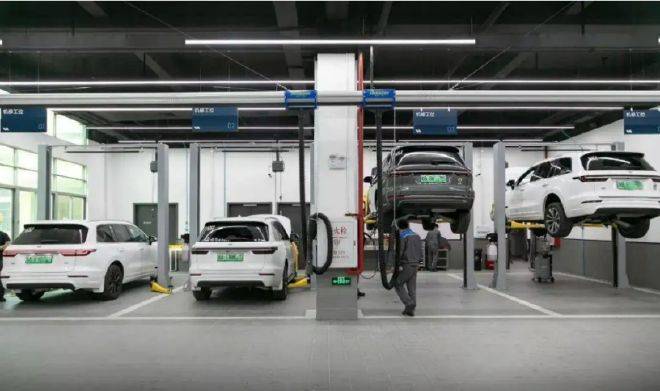
There are also very few maintenance sites for new energy vehicles, and coverage is clearly not keeping pace with the sales of new energy vehicles. According to an industrial practitioner, “fuel trucks can be repaired by any shop, but pure electric cars can essentially be repaired only by the plant's own or authorized point of repair, and the market is not competitive enough to feel monopolistic”
In addition, new energy vehicles, in pursuit of their intellectualization, have introduced a large number of sophisticated configurations, such as fuel vehicle collisions, which are a minor problem, but new energy vehicles may damage sensors, the cost of maintenance is higher and existing maintenance staff have difficulty coping with new energy vehicle intellectualization trends。
There have been reports of a shortage of about 100,000 new energy vehicles each year, which is also one of the key factors contributing to the low number of new energy vehicle repair sites, and the lack of relevant personnel。
According to a maintenance engineer, it is difficult for technicians to move directly to new energy vehicle maintenance because of the large differences between conventional fuel and new energy vehicles. For conventional fuel trucks, maintenance work is already highly skilled and can be done with mechanical repairs, but new energy sources involve batteries, machinery, information technology complexes, which require maintenance staff to acquire a certain level of electronic information technology in addition to mechanical repair, with a relatively high learning threshold。
It is understood that the most lacking for new energy vehicle maintenance are battery detection and maintenance technicians, as well as three categories of talent, namely, recharge pillar failure maintenance and large data analysis engineers. As a result, a number of enterprises cooperate with vocational colleges and institutes in order to develop specialized personnel in order to fill the gaps in this field. At present, the development of post-sales maintenance talent will take some time compared to the rapidly growing sales of new energy vehicles。
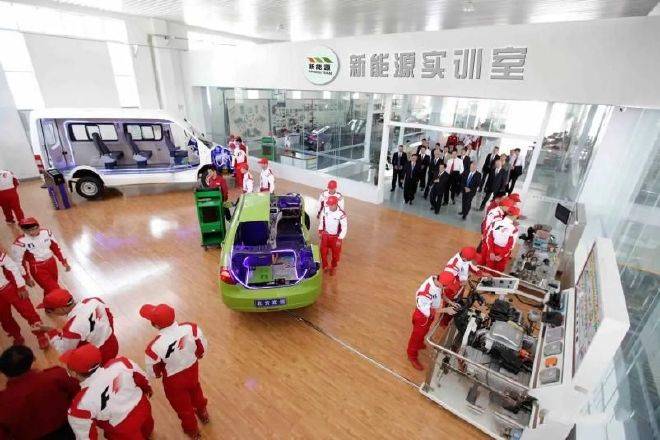
Moreover, inadequate post-sales service capacity and market competition in new energy vehicles are also responsible for the high maintenance cost of new energy vehicles. In recent years, the new power of car-making and traditional car companies have been growing in the area of new energy, introducing many market-competitive products, but after-sales services have not kept pace relatively. Inadequate inputs and delayed layout, combined with the absence of after-sales service regulations, are known to lead to mismatches in market competitiveness and to high cost of bicycle maintenance。
Although new energy vehicles are now the best, it is difficult to talk about future positive developments without addressing these issues. Thus, the development of new energy vehicles continues to face many challenges today, including reticence anxiety, slow charging, recharging, stability safety, etc. The combined cost of use of new energy vehicles is even higher than that of fuel trucks if added to high maintenance costs。
There is good news, however, that, according to the chinese association for automobile circulation, the new energy vehicle coded service group standards are being pushed forward in an intense manner, with plans to be officially released before the end of this year。
It is understood that the standards will be regulated around the business requirements of enterprises after the sale of new energy vehicles, service processes, maintenance safety requirements, quality control of services, emergency rescue service requirements, etc。
With the introduction of policies, the market for the maintenance of new energy vehicles will be regulated, the quality of post-sales services will be improved, and boosters will move more steadily and further along the new energy tracks。
Summary: at present, our country has developed an industrial advantage in the new energy lanes, with great strength and promise. However, there is still a short sheet that cannot be ignored in the process of development, in which “maintenance” is a prominent issue that must be given high priority by all concerned, lest it become a “roadblock” on the new energy track。
According to data on car sales, more and more consumers are willing to buy a new energy car, which is, of course, a sign of progress. However, with the increase in the number of new energy vehicles and the rapid expansion of the post-new energy vehicles market, the corresponding problems will be rapidly magnified by reaching more consumers. So, providing a good car experience is what makes the new energy car a lasting victory。