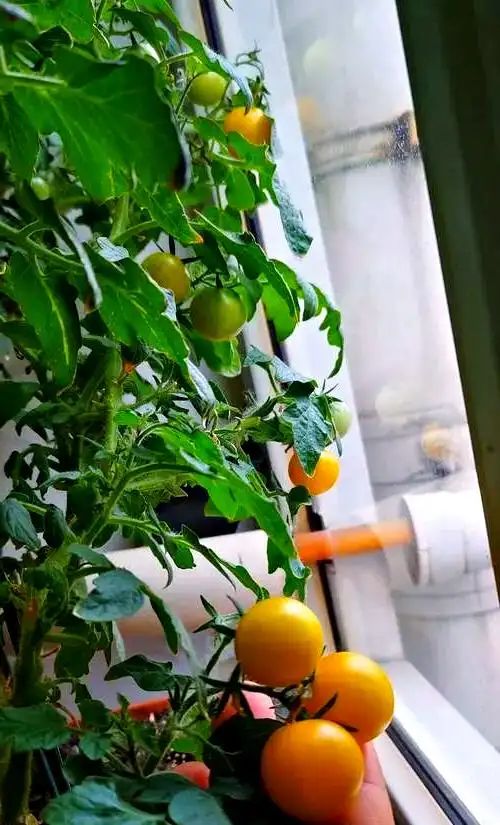
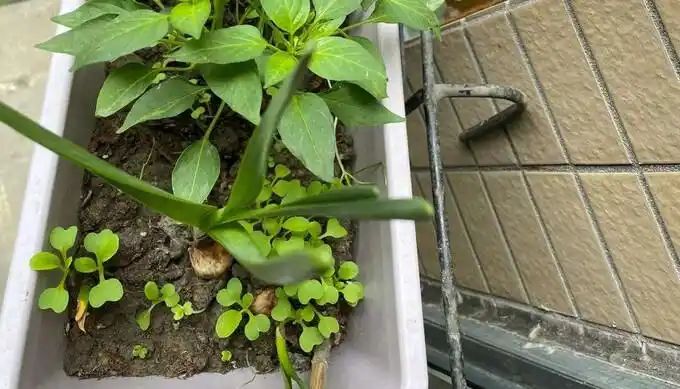
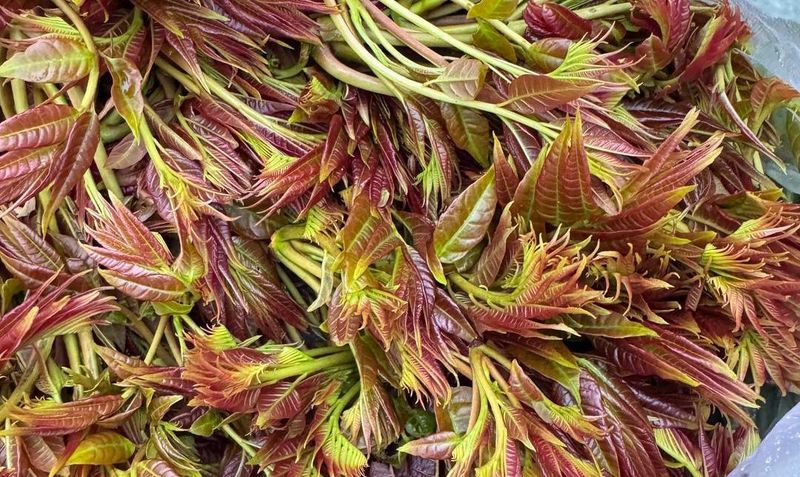
On november 20th, the sino-sino-sino-sino-sino-sino-sino-sino-sun jin-ting ting-ting (journalist) planted nine acres of mustard creeps, with a single acre yielding 10,000. The village village of li shengbai, the nine women's town of sung wu county in susawa city, spoke of the harvest following the planting of mustard. He was 63 years old, from first he hesitated to plant two acres, until now he was reassured to grow nine acres, and behind him was an “order planting” model that gave him a “concentric pill”。
In recent years, nine women's townships in chengwu county, through the “company + cooperative + base” model, have turned the usual mustard creeps into the “gold goose” that drives farmers to grow. On 19 september, the progressive thematic interview “standong practice for speculation and advancement of rural renewal” entered the rural revitalization section of the nine women's towns to explore the co-fiscal code behind the mustard creeps。
"the mustard creeps are called "big head" in our area, and the pickled ones are called "big head." li kankura stated that when he was promoting mustard creep cultivation in the village, he was most worried about the marketing problem. Today, the issue is resolved. “the village and the business signed an order, how much we grow, how much the company collects, and the price is guaranteed.”
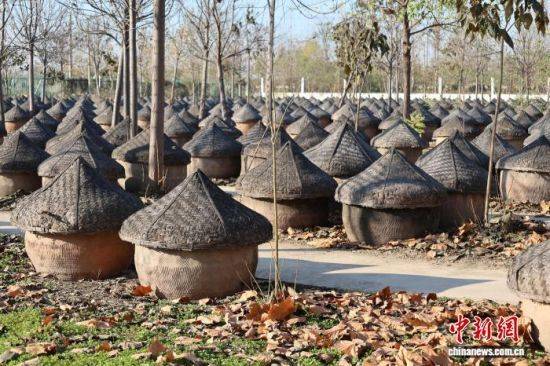
The local sauce company's cask. Sun ting ting ting
This shift stems from the active exploration of the rural revitalization areas of the nine women's towns. According to chen haidong, secretary of the chen temple administrative party, nine women's town, following the transfer of land from 2018, the village tried to grow crops such as spinach and onions, but the results were not satisfactory.” it is not until 2020 that we have found local partnerships with soybean enterprises to promote order farming that the benefits will be truly realized.”
“enterprises need stable sources of raw materials, villagers need reliable distribution channels, and our village collective is good for this `red mother'.” chen haidong stated that, through the “company + cooperative + base” model, the mustard sprouts grown by villagers were purchased by businesses at a single rate of protection, resolving both the marketing problem and the quality of the raw materials. Today, this model has been radiationed from chen temple village to more than 10 surrounding villages, leading to the development of 15,000 acres of mustard。
Song chiu, head of cheng wu park food company limited, told journalists that the order-growing model had allowed companies to obtain stable and high-quality supplies of raw materials. “the mustard creeps can be collected two or three seasons a year, and we have acquired them in a uniform manner, by standard, which ensures the quality of the raw materials and reduces the cost of the acquisition chain.”
In addition to the acquisition of mustard creeps, the enterprise employs villagers from the surrounding area to work part-time. “a maximum of more than 200 workers are required, with wages ranging from $120 to $150 a day.” song xin said that this provided the villagers with an additional income。
In interviews, journalists learned that chengwu county has built a cultural park for production, culture and experience in nine women's townships in order to make a sauce. Not only has it been successful in incubating more than 10 soybean enterprises, such as the hong fong fong, the city's small sauce park, and the lu zheng soy, to form a full industrial cluster from planting to processing to brand sales, but the annual production capacity has jumped to the level of a ton of tons, and the traditional technology has been revitalized through multi-business integration exploration。
It is known that there are 26 such enterprises in cheng wu county, with an annual value of 320 million yuan. Together, these enterprises “indigent” the mustard grown by local farmers, forming a complete industrial chain. Of these, 7 are in the size of 2,500 or more, 11 are in the size of 1,500, and each one produces 300-400 pounds of sauce per year at an average unit cost of $80 per pound, with an annual production value of $320 million and radiation-driven employment of more than 6,000 people。
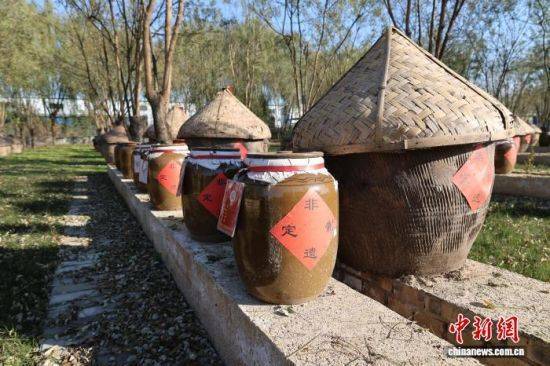
The local sauce company's cask. Sun ting ting ting
The little mustard, from the mustard creeps on the field to the special sauce on the table and to the cultural card on the market for the manga, is now linked to farmers, cooperatives and enterprises, forming a close “co-rich chain”. The village collective economy has grown as a result of the guaranteed increase in farm incomes and the availability of raw materials for enterprises. This model, with “order agriculture” at its core, which promotes zone-based development, provides replicable and replicable “weapons-based practices” for rural renewal. (concluded)