


Wang qi, research fellow, forest science institute, shanxi province, second class professor, principal scientist in economic forest sciences, former director, economic forest institute. Graduated in december 1978 from the school of agriculture, shanxi, in the field of fruit trees. Walnut research and extension work since 1985. Over the past 36 years, 38 scientific research projects have been completed and 16 scientific research results have been obtained, including 2 national prizes for the advancement of science and technology, 8 for the first and second prizes at the departmental level and 6 for the third prizes at the departmental level; 8 new varieties of walnuts have been developed and all of them have been validated through good species in the province; 15 books on walnuts have been prepared and co-authored, and 56 papers have been written and published. With a view to revitalizing our walnut industry, a significant contribution has been made to the social recognition of the fact that the vast majority of farmers depend on science and technology for their enrichment. They received subsidies from the state council in 1998, were rated by the national forestry administration as the country's top 10 influencers in 2008, and were awarded by the national forestry agency the advanced personal honoration for the outstanding contribution to the national ecological construction award in 2012 and retired in october 2015. He is currently a technical adviser to the people's government of hyoyi。
Base development technology
Since 1993, he has established four model walnut research bases (4 walnut testing stations at shanxi linko house) in the cities of zhongyang, tunyu county, tsai county and hyo yi city, with a total area of 2,400 acres. Radiation has helped establish more than 1 million acres of walnut model gardens for entrepreneurs, cooperatives, self-employed households and our walnut base counties in and outside the province, leading to an ongoing upgrading of the walnut industry and has made a positive contribution to the development of walnut gestationation. At present, i have cultivated 8. 66 million acres, of which more than 5 million are walnuts, 300,000 are walnut demonstration gardens and the maximum acre production of shanxi walnuts is 260 kg. My province's main plant varieties have been gradually reduced from more than 20 to 5-8, and the area of high-purity variety gardens has been expanding, with the advantages of variety and branding gaining prominence. In order to catch up with international advances, important results have been achieved over the past decade in the selection of walnut and series of night-resistant species. In 2011, the country's first promotion, rs-1, was validated through the forestwood approval commission in shanxi province and in december 2019 by the new version of latex, hyo-nin-1. The successful selection of these good seeds is a milestone, and he will be extremely far-reaching in terms of good subterranean breeding, more homogeneity, easier management and more stable production and efficiency, especially in areas often affected by nightfall。
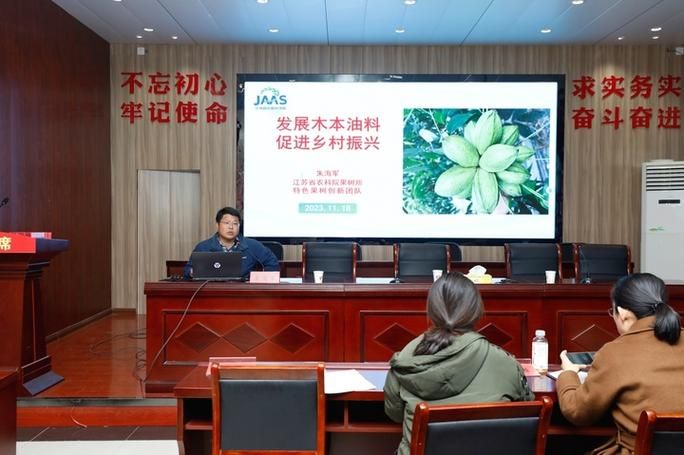
In 1993, a 200-acre walnut demonstration garden was set up in cheonyang city (which contains a gene pool and a rich and productive plant). At that time, the seeding technology in our country was not as good as the testing of seedlings between walnuts, mainly by means of large sheds and open branches, and in 2019 it achieved a high fertility rate of 86 per cent. The post-2000 survival rate has reached over 95 per cent, reaching international lead. Since 2000, there have been a number of sports growers who have mentored and led local farmers, such as sunyang, to improve the technology of marriage. In 1998, 120,000 acres of seedlings were grown throughout the province, and more than 30 million seedlings were bred each year after 2000. Science and technology were inextricably linked to demonstration, and the experiment had led to farmers and promoted the development of walnuts for good breeding. In 1998, walnut sprout technology broke the bottleneck, and the study of walnut species to regulate breeding techniques received the shanxi province prize for scientific and technological progress. Since then, we have seen an exponential growth in the area where walnuts grow, with more than 40 million trees grown out of the gardens of shanxi in 2011, and which are basically saturated。
In 1996, a 500-acre walnut demonstration base was established in tsai jiu, a village of liang. It is a hilly mountain, dry and water-deficit, and it is broadly representative of the establishment of an intensive walnut seed garden. The fourth year of acre planting amounted to 104 kg, the tenth year of acre production to 200 kg, the maximum single production to 8 kg, and the fifteenth year of acre production to 260 kg, which demonstrated the sound breeding and intensive cultivation of walnuts in our province's hill mountains. By the end of 2011, the base had received more than 260, 13,000 meetings of national and international walnut experts, scholars and groups, and had played an important role as a model for the development of good species everywhere。
In 2008, a 600-acre national walnut seeding demonstration park was set up in hongjian village, hongjian commune, côte d ' ivoire. Hong hong-sang, a hirangawa district, established a walnut seed demonstration park in hinchuan, with the aim of achieving higher yields and benefits, creating a walnut test model, with a maximum yield of 1. 8 kg per plant in 2011 and 46 kg in four years. Acre production reached over 200 kg in 2017。
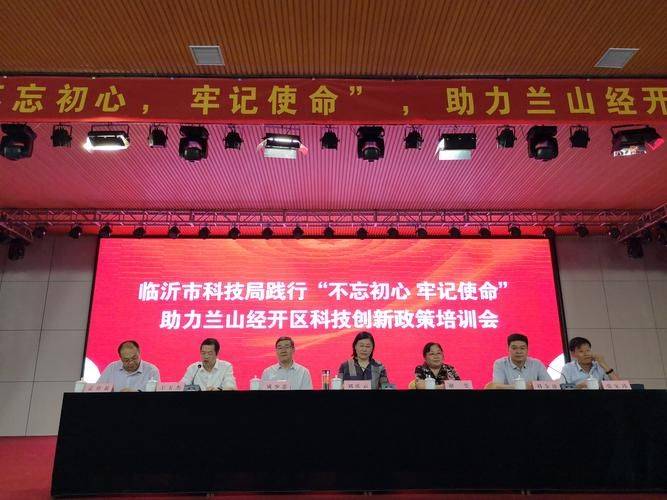
In 2012, the city of hyoyi hired as a technical adviser on economic forestry to establish a thousands of acres of walnut demonstration gardens in gao hyeon, gaoyang town, with the support of the city of hyoyi. Good seeding, scaleing and mechanization are the purposes of the base. The park was scientifically and standardized in its overall planning and, in conjunction with the pilot demonstration, was able to create 500 acres of regulated nursery and 300 acres of nursery. The company-farmer approach, which combines the length of time, provides a model for technology in our province. At the same time, work has been carried out on the selection of evening cream-resistant varieties, the hyo nun 1, and the biaoshan short branch, which were declared intellectual property protection by the national forestry administration in 2018. Reproduction promotion is under way。
Training in walnut technology
As of october 2020, walnut technicians had been trained more than 800 times, or 143,000 times, both within and outside the province. Since 1988, 19 walnut base counties, townships and companies have engaged as technical consultants in walnuts, ranging from scientific research on the production of walnuts in the country and abroad, nursery techniques, standardized parks, management of fertilized water, metrology, pest control and harvesting and processing. The training has ranged from indoor multimedia professors to outdoor live views to lectures at meetings. The number of participants ranges from a few dozen to several hundred, from schools, auditoriums to plazas, workshops and scientific and technological activities, which are attended every four quarters of the year. In order to develop a good breed, to create rich farmers, at no cost, to provide permanent telephone counselling, to give lectures on television, to accompany visitors, to visit places at their invitation, but never to refuse requests. Since 2006, he has helped companies, associations, cooperatives and rural individuals throughout the country to establish more than 1 million acres of walnut demonstration gardens, relying on science and technology for the sustainable development of the walnut industry。
Let walnut technology out of the country
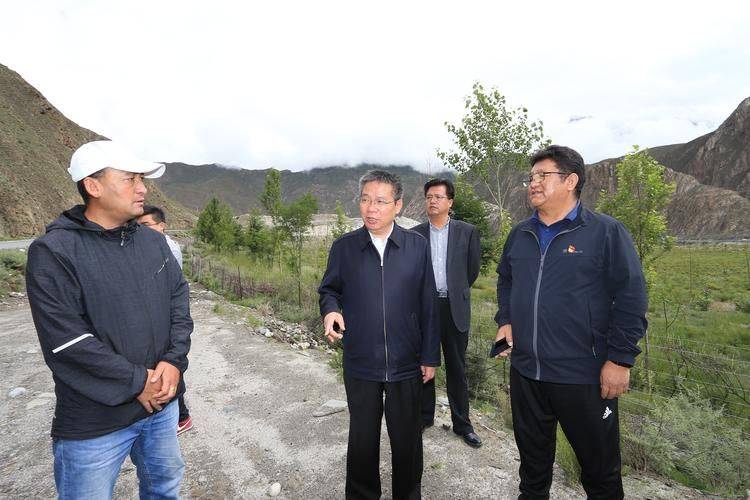
Since 1995, international friendship has been enhanced through cooperation and exchanges with the university of agriculture in bucharest, romania, the australian company webster, a walnut expert at the university of california, davis, united states, and the university of tehran, iran. At the sixth world walnut congress, held in melbourne in 2009, and jointly with shanxiu tree, the seventh world walnut congress was held in july 2013 in xianyang, after which 43 foreign experts from seven countries, including the united states, france, portugal, spain, australia, new zealand and iran, were well commended for their excellent results in our walnut research and called china a united states rival。
The good seeding of our walnut cultivation is just beginning, the standardization of walnut gardens is low, the technical management of fruit farmers is lagging behind and the economic benefits are low, and in the near future the development of our walnut industry will lead to higher steps。
Contribution of lu liang city science and technology bureau



