One, the technology of aluminum cultivation. Seeds are 95 per cent pure, 97 per cent pure, 80 per cent sprouts and 8 per cent hydrogenic. Seed management. Sterilise for two hours with 800 times the solution of 75 per cent of the centenary (wettable powder). Seeds washed were immersed in 2528 water for 36 hours, 12 rinsed midway and water was replaced. 2. Drumbing. Seeds are soaked that they are humidly sprung under conditions of 2528 and wash 12 times a day with water. Twenty per cent of seeds are seeded after 30 per cent are white. 3. The method of breeding. Cultivation with nutrients. The nutrient land is usually made from the sifting of non-planted beryllium soil, which is made up of manicure and decomposed organic fertilizer, with a ratio of 3:1 (in volume). Nutrients require 710 cm height and 710 cm upper calibre. Seeding. The first day of planting will feed
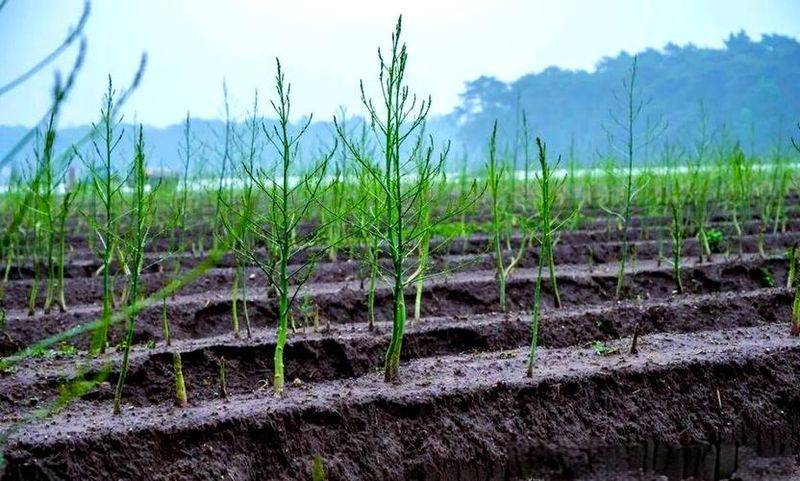
2. The bottom water is sowed that a small hole is placed in the middle of the larvae at the time of sowing, and a single seed is soaked into the pore, which is then covered with nutrient soil of 1. 52 cm thick. V. Shrimp management. After seeding, water should be fully watered and the relative humidity of the seedling soil should be maintained at 60 per cent and 70 per cent. After seeding, appropriate quantities of fast-acting nitrogen fertilizers are applied to prevent burning. Weeds and weeds should be removed on an on-the-job basis and pests and diseases should be treated. Iii. Cultivated land should be levelled before opening. It is 40 cm wide and 40 cm deep by line. It is desirable to dig up north-south, to separate the upper and lower levels of soil when digging, and to fill back with the upper and base fertilizers. Cultivated into small arches that are high in the middle and low on both sides, before planting, water is poured in to prepare for planting. The rain-fed areas should be dominated by a 50-metre ravine around the field to prevent the accumulation of water in the field, which could be protected in arid areas. Iv. Deplanting 1. Deplanting time. General
3 after 6080 days, when the seedlings are grown within the nutrients, or when the seedlings are grown up to 35 tops and 58 roots are stored, the nutrients are transferred. It is possible to sow in the early spring, or in the late spring, or in the autumn, or in the spring. 2. Cultivation density. Green beryllium is grown at a distance of 130,140 cm or narrow lines (blank 140,150 cm and narrow 5060 cm) and 2530 cm; white beryllium is grown at a distance of 170,180 cm or 2530 cm. There are 15002,500 seedlings per acre and 1,2001,500 seedlings per acre. 3. Deplanting methods. The seedlings are graded by size before planting, and the seedlings are separated from the seedlings. Depending on local conditions, the planting depth is 515 centimetres, which is then watered to the surface. V. Field management 1, mother and child. Mothers are kept depending on the type of harvest, age, duration and root plate size, which is usually 35 per parent. When you're keeping your mother's penis, field
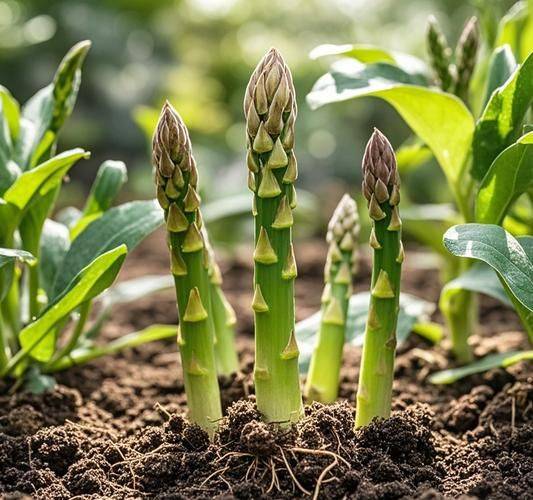
4. A wooden stake may be inserted and a rope shall be used to place the plant on a fixed or, where appropriate, a roof in case of inversion. 2. Peasant. During the harvest, the spring sprouts grew in the face of the ground, and the soil was cultivated in different ways, depending on the temperature. It shall be narrow, 3045 cm above, 4560 cm below and 2530 cm above. 3. Chinese tillage. In combination with the pursuit of fertilizing and weeding, soil laxation is maintained. It shall avoid injury to the earth's springs and roots, and shall cover the earth in appropriate measure. 4. The whole garden. The sick and dead branches and limbs should be removed on time and burned together from the aluminum, during the mare, during the poaching period and after the upper part of the winter. 5. Water management. The irrigation should be based on crop fertility, rainfall, soil quality, groundwater table, air and soil moisture. (1) premium. Water on time after planting. The seedlings are shallow and require small quantities of water, and water should be watered in accordance with the principle of “freight”. The relative humidity of the soil should be around 60 per cent. (2) timing. The soil looks like a mother
5. Maintain about 50% wetness. The relative humidity of the soil should be around 70 per cent at the time the mother is taken. The relative moisture of the soil should be around 60 per cent when the white or pyramid is picked up before the mother's penis. (3) rest periods. Water should be pumped once before the plant is dormant, the soil should be 10 centimetres high and 30 centimetres wide in the north and the field should be prevented from accumulating water in the south. 6. Fertilizing. Per acre is applied to the base of 300005,000 kg of manure and approximately 50 kg of composite fattening of nitrogen, phosphorus and potassium in the planting ditch. Fertilizer recovery is dependent on soil fertility, fertility and growth, and a balanced application of fertilizers is observed during the nursery period, during which nitrogen-activated fertilizer should not be used. At the end of the winter harvest each year, the application of base-based fertilizer should be carried out on time, with the application of 3004,000 kg per acre of fertilized farmers and approximately 50 kg of nitrogen, phosphorus and potassium compound fertilizer. Vi. Pest and pest management (i) major diseases prevention and control, 1. It's good to start every 37 days before the new branch opens
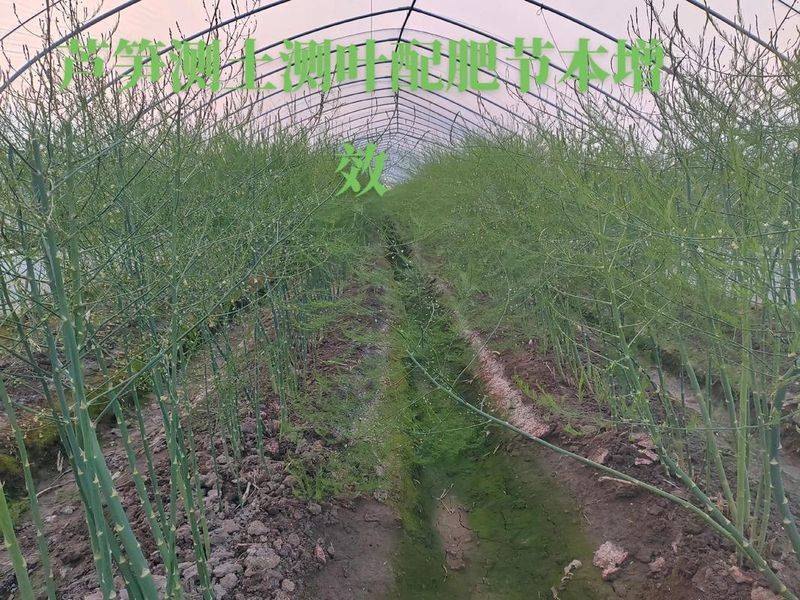
6. Application of 40% more than 500,600 times of micropowder; 75% of the 100-micro-wettable powder 600 times more liquid; 50% of the methyl-tobutine humid powder 600 times more liquid; 70% of the dyssey manganese zinc humid powder 600 times liquid; 0. 4% of the bordeaux (0. 2 kg of copper sulfate, 0. 2 kg of 50 kg of water) sprayed or smeared mother's tub. The prevention and treatment of brunette can be based on the treatment of stasis. 3. Decay. At the beginning of the onset of the disease, 40 per cent of the fungus superpowders can be used 500,600 times, sprayed or administered with root. (ii) main pest control, lush moths. The treatment of 90% trichlorfon 1000 times the liquid, 80% dichlorvos emulsion 1000 times the liquid, 20% cyanethrin emulsion 300,000 times the liquid, 10% cypermethrin emulsion 3,000 times the liquid, or 25% pvp 3004,000 times the liquid. Tiger 2. Trichlorfon was sprayed with 50 g of trichlorfon and 250,500 g of water to poison 3 kg of green vegetables; the horse was sprayed with 40% of olego cream and 10% of the apricot humid powder 30004 000 times the liquid spray. 3 - gold turtle larvae (polymers) and golden needle larvae. Acres use 250 ml or 40. 7% of thiophos-methyl cream to poison 200 ml of emulsifiable cream, and 500 kg of water to be treated. Four, green bugs. Use of 20% cypermethrin emulsion 30004000 times liquid, 10% cypermethrin emulsion, or 2. 5% bcypermethrin emulsion 3,000 times liquid spray. The harvest shall be based on an appropriate amount of harvesting by different cultivation methods. The beryllium shall be harvested before the soil is released and the green beryllium shall be harvested before the soil is released and scattered. The harvest shall be placed in the shade and taken to the processing plant within two days. Page 5