At this stage, from the point of view of the fruit-planting industry, ensuring the safety of fruit-planted fruit is a top priority. In order to improve the quality of the fruits, planting techniques must be improved, which not only guarantee food security but also improve economic efficiency. However, there are still problems with fruit-planting techniques in the process of actual cultivation, and the healthy development of our fruit-tree industry must be ensured by the timely development of appropriate adaptation strategies。
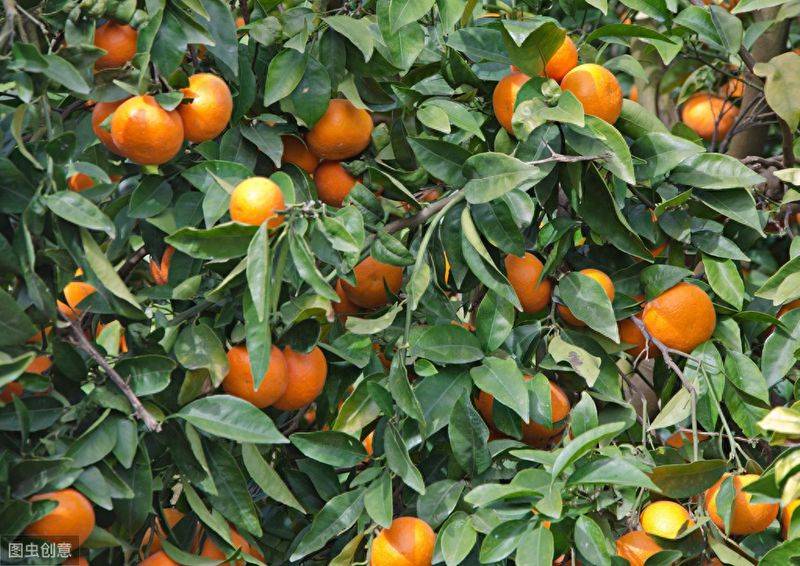
I. Importance of fruit tree cultivation techniques
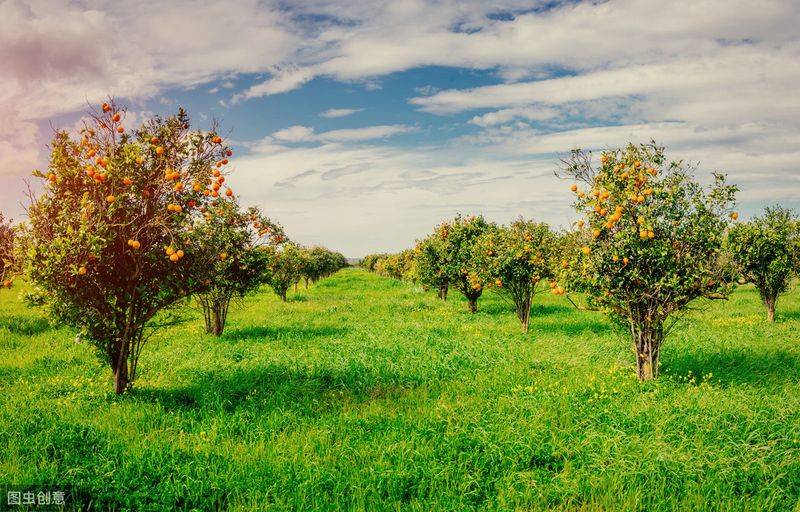
1. The selection of sites where fruit trees are grown affects the safety of fruit products. In the process of planting fruit trees, it is correct and scientifically sound to start with the location of fruit trees, which is a crucial step in the process of planting them. Sites are selected to eliminate exposure to pollution and ensure that fruit trees grow in normal conditions. Contaminated land is defined as the presence of chemical plants or plants that have an impact on the environment near the plantation. Like paper mills, power plants, etc. Cultivation in the vicinity of these plants is strictly prohibited at the time of site selection, and this environmental condition can have a certain impact on cultivated soil. At the same time, surveys of the local natural environment are conducted prior to site selection to determine whether reasonable conditions for planting, such as soil alkalinity, water sources, are important factors affecting the growth of fruit trees。
Once the selection of fruit seedlings affects the safety of the fruit products has been completed, careful research and analysis of the selection of fruit seedlings will follow, which should not be overlooked. The first is the survey of the seedland to be purchased, which must be procured by a scalding and formalized vendor to ensure the quality and safety of the seedlings purchased. The selection of fruit seedlings is based on the selection of high-quality seedlings of high quality, insect-resistant and reversible quality to ensure the smooth running of planting。
3. The use of fertilizers affects the safety of fruit products. Three points need to be made in this chain: first, the refusal to use nitrogen fertilizers, which can have toxic side effects on the land; secondly, the elimination of the use of ultra-standard heavy metal fertilizers, which some manufacturers add to the chemical fertilizers for their own benefit; and finally, the strict prohibition of the use of nitric nitrogen fertilizers, which can increase the number of nitrates in the fruit and reduce the quality of the fruit。
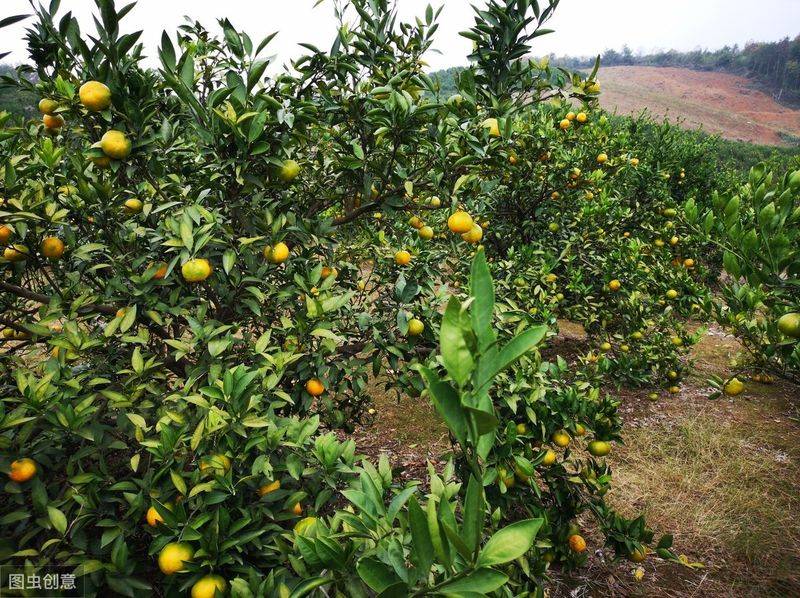
Specific strategies for fruit-planting techniques
1. A scientifically sound selection of the orchard's location takes into account local realities and its own characteristics when selecting the address. First, awareness-raising campaigns on the safety of fruit products need to be strengthened to inform farmers about the importance of the correct location and to ensure the safety of fruit products. Second, the surrounding environment must be carefully and strictly surveyed so that the last-selected address allows the fruit tree to grow properly and is not contaminated by the environment. In addition, fruit tree cultivation should be done in the direction of planting, and because of our geographical location in the central part of the northern hemisphere, the planting of fruit trees in the east-west direction will result in most of the fruit trees being luminous, with serious effects on their light co-operation, thus reducing yields。
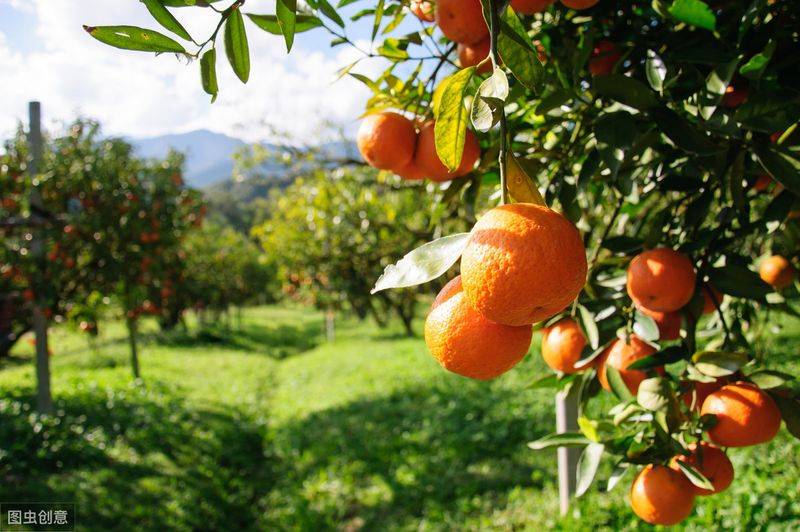
2. The choice of tree seedlings for high-quality varieties not only ensures healthy growth of fruit trees, but also contributes to increasing the economic income of farmers. The choice of drought-resistant and disease-resistant seedlings, which ensure that fruit trees thrive, helps to reduce the investment of human, material and financial resources in planting, requires greater attention to the choice of seedlings。
At this stage, fruit packs are widely used in fruit tree cultivation, which can effectively improve the quality of fruit products. Typically, work is carried out with stricter time requirements and the right timing needs to be chosen in order to fully exploit the advantages of bag technology in terms of longer storage times, better quality of fruits and lower pests. The use of bagging techniques in fruit-planting trees not only enhances the quality of the fruit, but also makes the fruit produced bright and bright, thus adding further commercial value。
4. As a result of the ongoing food safety problems in the food sector in recent years, food safety has become increasingly important in our country. In order to ensure the quality and safety of fruit products, greater efforts have to be made to properly master the application of fertilizers and to maximize the use of non-chemical components such as fertilizers, farm-based fertilizers, orchard greens and pies. Non-chemical fertilizer refers to micro-organisms and manures of acoustic acid. Farmer fertilizer is the fertilizer derived from the processing of animal and human excreta. Orchard green fertilizers, which are produced through the processing of herbs such as trifles, clover, croquets, flowers, and plumes, not only improve soil, maintain ecological balance, but also be safe and clean. Pie fertilizers specifically refer to fertilizers such as cotton cakes, bean cakes, vegetable loaf cakes, sesame cakes and tea cakes. In the use of fertilizers, good use is ensured, appropriate use is ensured, and excessive application of fertilizers is strictly prohibited, leading to damage to fruit tree growth. However, some non-proscribed chemical fertilizers, such as urea, potassium sulphate and potassium phosphate, can be used in combination with organic fertilizers and the ratio of inorganic nitrogen to organic nitrogen is 1:1 and in combination with microbiological fertilizer. It is worth noting that the last fat chase should take place one month before the harvest。
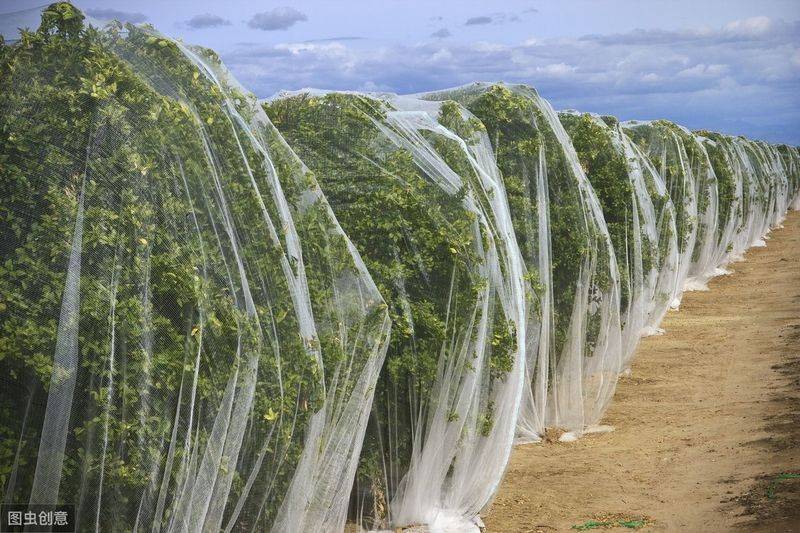
5. Pest and pest control techniques when addressing pest and disease management in fruit trees, first and foremost, avoid the causes of pests and pests, and use disease-resistant or detoxified species of trees to feed fruit trees during planting, thereby effectively increasing the resistance of fruit trees to pests and diseases and thereby reducing the number of pesticide sprayings. Second, improvements through physical or agricultural methods can serve to clean orchards, often through measures such as the disposal of insect-infested leaves, lightworming, colorworming or white rods. When choosing to use protected forests, it is important to prevent the emergence of the same pests as fruit trees. Finally, when pests and diseases occur, pesticides of a real-time nature should be selected. Today, the use of new high-efficiency bioplycerin is effective in combating pests such as fins, double-wings, mites, fins, and other pests; in addition, biobacterium and white bacterium are commonly applied biopesticides and insect regulating agents, with the advantages of environmental protection, efficiency, and incorruptibility, based on their use in combination with plant-based agents, to drive off pests, incubate eggs and prevent air pollution。
Concluding remarks
In conclusion, the ultimate goal of improving the quality of fruit can only be achieved if there is a scientifically sound management of every link in the fruit tree cultivation process. Improved fruit-planting techniques can focus first on site selection, tree seedling selection, scientific fertilization and pest control. Targeted selection of measures appropriate to the different problems arising from cultivation is needed to improve the safety of the fruits, increase the income of farmers and contribute to the development of the country's cultivation。