I. What is aids
Aids, known as acquired immociety syndrome, aids, is a serious and highly hazardous infectious disease caused by the infection of the human immune deficiency virus (hiv). Since the first reported aids case in the united states in 1981, aids has become widespread globally and has become a major public health and social problem。
Hiv-aids, hiv can damage human immune cells (cd4+t lymph cells). When humans become infected with hiv, progress is made to a certain extent, the immune system is severely damaged and the human body is referred to as aids when there are various opportunistic infections and tumours。
What are the ways in which the epidemic is transmitted
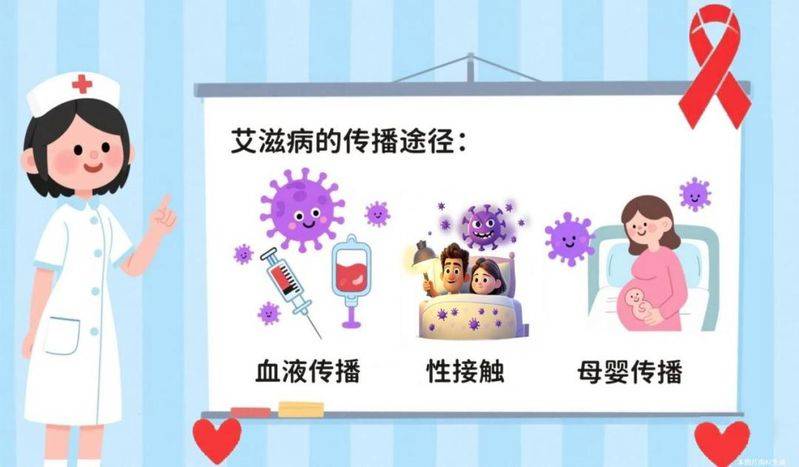
Sexual transmission: in the absence of protective measures, sexual “exposure” to same-sex or heterosexual hiv-infected persons is the most important route of transmission, with more partners and higher risk of infection。
Blood transmission: input of hiv-contaminated blood or blood products; use of unsterilized syringe intravenous drugs; sharing of hiv-contaminated needles, syringes or other sharp instruments, etc. Currently, the transmission of aids through blood in our country is largely linked to the use of intravenous drugs with syringes。
Mother-to-child transmission (mtct): women infected with hiv are more likely to transmit hiv to the fetus or infant during pregnancy, childbirth, breastfeeding through blood, vaginal secretions or post-natal breastfeeding。
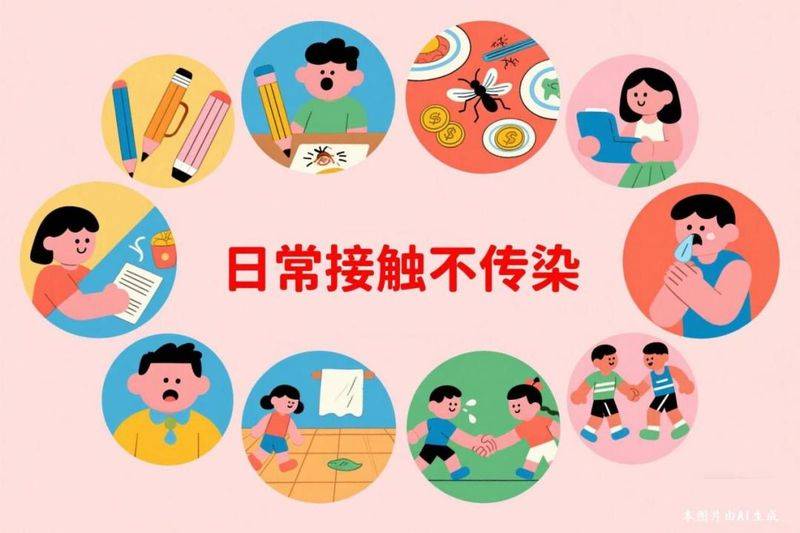
Iii. Daily life and work exposure to aids transmission?
Exposure to the general daily lives of people living with hiv and aids does not transmit aids. For example, handshakes, hugs, dances, coughs, sneezes, ritual kisses, meals, car rides, studies, field trips, play, sharing of labour tools, catering equipment, office supplies, bathrooms, swimming pools, telephones, coins, etc. A mosquito bite does not spread aids。
Hiv is mainly found in blood, semen, vaginal secretions, milk, etc. Of people living with aids and hiv. The whole skin can effectively prevent the virus from entering, and as long as the skin is not broken, exposure to the normal sweat likes of the body of the aids patient is not contagious。
What are the clinical manifestations of aids
Acute periods: in general, around 2-4 weeks of initial hiv infection, fever, inactivity, headaches, hazing, nausea, vomiting, diarrhoea, ingrate, myomen, joint pains, rashes, lymphoma swelling, joint muscle pains and symptoms of the nervous system are likely to occur; most patients have no symptoms or minor clinical symptoms, which are reduced after 1-3 weeks。
Unsymptomatic period: hiv infection begins to enter the latency period at which the patient may not have any clinical symptoms. However, the incubation period is not a static period, much less a safe period, during which the virus continues to reproduce with strong destructive effects. The duration of this period varies from one to 10 years without any drug intervention due to large individual differences, with a small number of people living with hiv having a relatively short symptomatic period of about 1-2 years, averaging 7-8 years。
The period of aids: is the final stage of hiv infection, and most patients who are not treated develop into aids patients. When the number of patients with cd4+t lymphocytes falls below 200 / ul, these symptoms can be a direct cause of death as a result of a decrease in the immune function of the patient's body, as evidenced by aids-related symptoms, opportunistic infections (e. G., pulmonary disease, pneumococcal pneumonia, fungial pneumonia, etc.)。
V. How to prevent aids
Prevention of sexually transmitted infections
Maintaining a single sexual partner, being faithful to each other, avoiding multiple sexual partners, being in love with one another and respecting sexual ethics, and safe sex are effective measures to prevent the sexual transmission of hiv。
Proper use of quality condoms not only avoids pregnancy, but also prevents sexually transmitted diseases and aids。
Prevention of blood-borne transmission of aids
It is firmly opposed to drugs, does not use them in any way, and is far from drugs. There is no sharing of injecting equipment, such as syringes and needles, to avoid hiv infection as a result of sharing needles。
In order to avoid unnecessary blood transfusions and products, regular medical facilities must be chosen when blood transfusions or injections are required; needles, teeth extraction, ear piercing, acupuncture or surgery should not be administered in unsterilized medical institutions or other places; personal effects such as toothbrushes, razor blades and shavers should not be borrowed or shared。
Prevention of mother-to-child transmission of aids
Women of childbearing age should be tested for hiv before becoming pregnant and, if infection is detected, they should be consulted in a timely manner by a doctor to reduce the risk of mother-to-child transmission。
Mothers with hiv are prevented from breastfeeding after the birth, and babies are given medication and artificially to prevent the transmission of hiv to infants through milk。

Prevention of aids after exposure
Post-exposure prophylaxis are methods of reducing the risk of hiv infection by taking specific antiviral drugs at an early stage (not exceeding 72 hours) after exposure to a high risk of infection, such as fluid exchange with a person infected with hiv or whose condition of infection is unknown。
All persons with exposure sources who have behaviour that could lead to hiv infection are recommended for early use of post-exposure prophylaxis。