Vaccines are the most economical and effective means of preventing and controlling infectious diseases and the “safe barrier” that protects the health of the entire population. In order to facilitate a clear understanding of policy, science and vaccination, today we have a system-wide distribution of information on the hpv, mumps, influenza vaccine, which is available in full
I. Hpv vaccines: free-of-charge policy to land and build the first line of defence against cervical cancer
Cervical cancer is a malignant neoplasm that poses a serious threat to women's health, and more than 99 per cent of cervical cancer is caused by high-risk hpv infections. We have incorporated the hpv vaccine into the national immunization plan, and the three isthmus are strictly deployed nationally, nationally and centrally, providing free vaccination services for girls of appropriate age。
Core vaccination policy
:: free: girls born after 10 november 2011 and over 13 years of age
Type of vaccine: double-priced hpv vaccine (total government cost)
Vaccinations: 2 doses at 6 months intervals, recommended for completion within 1 year
• rule of retaliation: 100% complete by the age of 18, no repeat vaccinations required for those who have completed the full course of 2/4/9
:: self-funded choice: voluntary self-funded 4-priced, 9-priced hpv vaccine, with wider coverage and individualized needs
Disease control
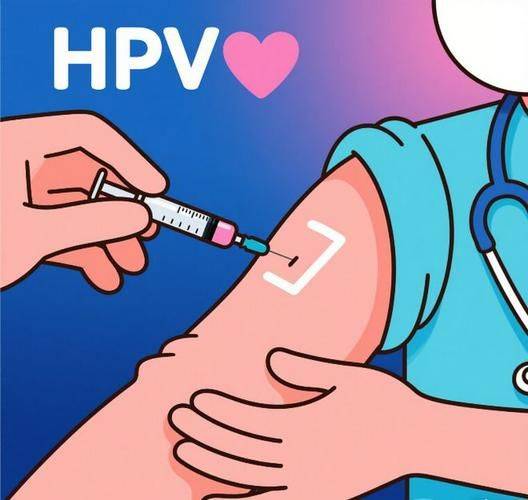
Vaccination against hpv-type hpv16/18 infections, prevention of approximately 70 per cent of cervical cancer and pre-cancer diseases, together with regular screening for cervical cancer, minimizes the risk of morbidity and is at the heart of our action plan to accelerate the eradication of cervical cancer。
Mmp vaccine: immunization planning needs to hold the “zero incidence” of measles line
Measles are acute respiratory infections caused by the measles virus, which are extremely contagious and easily felt by children, are prone to serious complications such as pneumonia, larynitis, myocarditis and encephalitis, and are preventable infectious diseases that fall under the national priority vaccine。
Core vaccination policy
:: target audience: children of appropriate age (nip, free vaccination)
Immunization procedures: 1st dose of mumps in august; 2nd dose in 18 months
• recuperation requirements: those who have not completed the vaccinations according to the procedure, have completed them as soon as possible, have no upper age limit, and priority populations “shall be compensated”
• focus groups: child-care institutions, school students, medical personnel, practitioners in closed places, etc
Disease control requirements
The measles-free situation continues to prevail in the country, with the three isthmus strictly carrying out vaccinations for children in care and school, ensuring that the vaccination rate of children remains high, holding the immune barrier for the population and combating the importation and transmission of the epidemic。
Iii. Influenza vaccine: a mandatory annual campaign to protect respiratory health in autumn and winter
Influenza (influenza) is different from common influenza and can cause complications such as severe pneumonia and myocarditis, with the elderly, children, pregnant women and chronically ill being at high risk. Influenza viruses are variable and annual influenza vaccinations are the most effective prevention。
Core vaccination policy
Vaccination time; optimal vaccination period for september-december each year, available throughout the epidemic season
• vaccination coverage: a high degree of vulnerability for the entire population, with priority given to children over the age of 6 months, older persons over 60, chronically ill persons, medical personnel, students, etc
Vaccine properties: non-immunized planned vaccines, voluntary, self-funded vaccinations
Vaccinations: 2 doses per year for first inoculation at the age of june - 8 years (4 weeks interval); 1 dose per year for persons over 9 years of age and former inoculations
Disease control
Influenza vaccine, which significantly reduces the risk of infection, serious illness and death and ensures the proper functioning of priority sites such as schools, businesses and old-age institutions, is a key measure in the prevention and control of respiratory infections in the autumn and winter。
Iv. Universal vaccination alerts
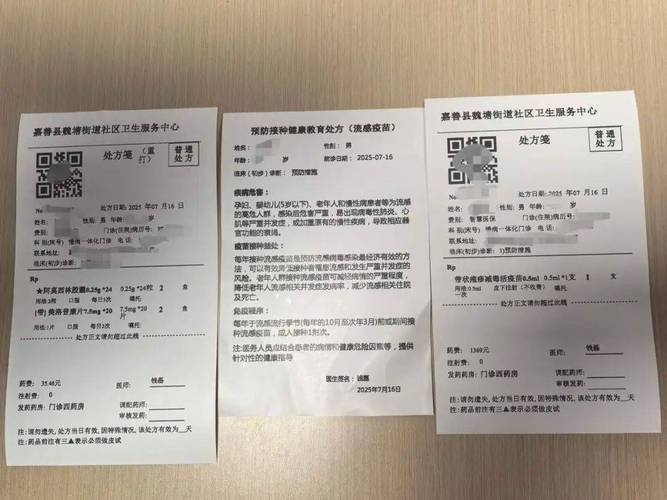
1. Vaccination taboos: severe allergies of the vaccine component, acute disease period, suspension of the inoculation of the heater, active notification of health status prior to vaccination
2. Vaccination process: 30 minutes of informed appointment to inform health inquiry protocol
3. People-to-people service: the address of the inoculation unit, telephone number can be accessed through the three canyon disease control microlink public number
4. Safety and security: city-wide storage of the entire cold chain of vaccines, indexing, regulation of surveillance and disposal of suspected vaccination abnormalities
A healthy tip
A vaccine to protect a healthy health, one to protect a lifetime. Hpv vaccine against cervical cancer, a strong base for mumps, influenza vaccine for four seasons, with three types of vaccine working in their respective divisions, woven together into our city's network for the prevention and control of infectious diseases。
Please be proactive in your policy, complete your vaccinations on time, be the first to take care of your health, and forward it to your family and friends, so that scientific awareness of the disease reaches more people
Keep your health safe. We've been here all along
Source: centre for disease prevention and control, three isthmus