According to the definition of china's national standard logistics terminology, logistics is the process of physical movement of goods from the place of supply to the place of receipt, which integrates transport, warehousing, handling, handling, packaging, circulation processing, distribution and information processing in an organic manner, according to actual demand, to achieve efficient and coordinated operations。
1. Analysis of the current policy environment in the domestic electricity and logistics sector
2. Policy interpretation in the domestic electricity sector
3. On 16 may 2012, the standing committee of the state council considered and adopted policy measures to promote the consumption of energy-efficient household electricity, with a clear financial allocation of 26. 5 billion yuan for the promotion of air conditioners, flat television, refrigerators, washing machines and water heaters that meet energy-saving standards, for an initial period of one year. Subsequently, on 28 may, various departments, including the ministry of finance, took the lead in issuing rules for the implementation of energy-saving subsidies for air conditioners and flat-screen television, and on 4 june, jointly introduced the rules for subsidies for refrigerators, washing machines and water heaters. The rules provide for subsidies ranging from $70 to $600 for different products, depending on the level of energy efficiency. These are designed to promote the spread of efficient energy-saving products through financial incentives, guide green consumption, increase energy efficiency and help to achieve energy-saving emission reduction targets。
4. Policy interpretation in the logistics sector
5. Research on deployment to advance the healthy development of the logistics industry。
6. On 8 june 2011, the state council convened a general meeting to study the promotion of a healthy logistics industry. The meeting emphasized the need to improve policy initiatives to promote the regulatory functioning of the sector and made eight specific requests to improve logistics efficiency, reduce social costs and promote economic growth。
7. The office of the state council issues opinions on policy measures to promote the healthy development of the logistics industry。
8. On 19 august 2011, the office of the secretary of state issued an opinion on policy measures to promote the healthy development of the logistics industry, proposing initiatives to strengthen infrastructure, improve regulatory mechanisms and upgrade services in order to promote sustainable and healthy development。
9. Reducing the tax burden on logistics industries and reducing the burden on enterprises
10. Tax support policies should be integrated and optimized according to the characteristics of the logistics industry and the development needs of logistics enterprises in terms of integration, socialization, networking and scale-up. The sector concerned needs to accelerate the improvement of the pilot programme for the collection of turnover tax margins for logistics enterprises, to expand the pilot coverage and to be fully implemented on the basis of experience gained and sound supporting mechanisms. In conjunction with the vat reform pilot, the problem of inconsistencies in the turnover tax rates between storage, distribution, freight forwarding and transport links should be addressed as soon as possible. At the same time, an in-depth study should be undertaken on land-use tax policies for the use of large-scale commodity storage facilities, which, while contributing to the conservation of consolidated land by logistics enterprises, should fully safeguard the demand for land needed for the physical circulation of large-scale goods and promote the healthy and efficient development of the logistics industry。
11. Strengthening land-use policy enabling capacities in the logistics industry degrees
Logistics infrastructure, such as warehousing, distribution and transit centres and logistics parks, is extensive, heavily invested and has a long recovery cycle, and land policy support needs to be strengthened with enhanced management and land conservation. A national logistics park development plan should be prepared on a scientific basis, with a view to increasing the level of intensive land use and prioritizing and supporting the lands included in the plan。
13. Facilitating easy access to logistics vehicles
14. Further downward adjustment of the cost of passing through the bridge, orderly cancellation of secondary road charges on which the government has loaned, reduction of the general road toll points, reasonable control of the total number of toll roads and optimization of the overall layout. (c) strengthen highway tariff regulation, remove unreasonable stations and gradually reduce excessive rates. (c) to ease the public's travel burden and increase the efficiency of access and service levels by the busy sections of transferred business, combining the financial capacity of the government with the sound promotion of buy-backs。
Advancing the pace of reform of the logistics management system
16. Accelerate the implementation of institutional reforms in logistics management to break down fragmented management barriers. Strengthening of the legal administration, strengthening of government oversight mechanisms and raising the level of self-regulation in the industry. (b) to rationalize the administrative licensing and approval requirements for the qualification of logistics enterprises and to optimize the procedures for approval, based on the improvement of relevant legislation and regulations. (b) to clean up all types of qualification clearance for logistics enterprises, to reduce unnecessary administrative clearance in an orderly manner, to promote an efficient, regulatory and fair logistics market environment and to promote the healthy and rapid development of the logistics industry。
17. Promoting integration and sharing of logistics resources
18. Supporting the integration of decentralized logistics resources by large logistics enterprises through mergers and reorganization, and promoting industrial intensification; and encouraging the deepening of alliances and innovative service models and collaborative mechanisms among small and medium-sized logistics enterprises to optimize resource allocation, upgrade service quality, accelerate the transformation of development approaches and promote overall efficiency gains in the logistics industry。
19. Promoting technological innovation and practical applications in logistics
20. Promote the autonomous innovation of new technologies in logistics, focusing on critical technological breakthroughs such as cargo tracking, radio frequency identification, information platforms, smart transport, management software and mobile services, and accelerate research and development applications. The selection of opportunities for a pilot demonstration of the goods network in the logistics industry to upgrade the level of intelligence。
Encouraging private capital investment in logistics and promoting market diversification。
22/ in may 2012, following the spirit of the state council's opinion on promoting the healthy development of private investment, to promote the active participation of private capital in the logistics sector, to further strengthen support for investment in private logistics enterprises and to create a more favourable environment for development, 12 departments, including the national commission for development and reform, the ministry of public security and the ministry of finance, issued a joint implementation opinion on encouraging and channelling private investment into logistics. The policy aims to lift market barriers, optimize access mechanisms, improve service efficiency, stimulate the dynamism of private investment, promote the transformation and upgrading of the logistics industry, promote high-quality private economic development and increase the efficiency of the functioning of logistics across society。
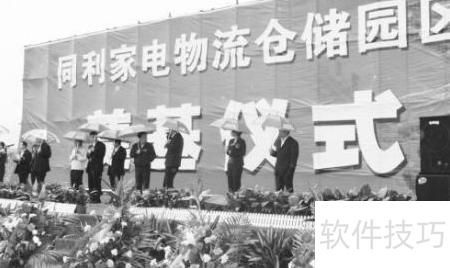
Analysis of the state and development of our national electricity and logistics industry
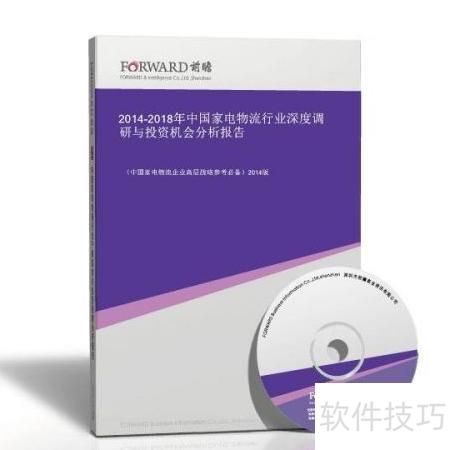
According to an in-depth research and analysis of investment opportunities in the national electricity and logistics sector for the period 2014-2018, a number of profound changes have taken place in recent years in our country's electricity sector: the accelerated integration of manufacturing enterprises, the gradual withdrawal of some brands from the market, a growing product structure and a marked diversification trend. At the same time, there has been a rapid expansion of domestic power chains and a gradual expansion of the focus of operations from first- and second-line cities to third- and fourth-line cities, with increasing market coverage. Internationally well-known retail power giants are also targeting the chinese market and are planning to enter and take their share quickly, including through mergers and acquisitions. In an increasingly competitive environment, there is a growing emphasis on supply chain efficiency in household electricity production and distribution enterprises, with lower logistics costs as an important strategic initiative. This trend has contributed to the transformational upgrading of the domestic electro-logistics sector, the acceleration of the growth of logistics enterprise size and the increasing concentration of industries. Demand for third-party logistics services has grown rapidly and has become an important market force. At the same time, in order to improve the efficiency of operations and the level of services, businesses have significantly increased their investment in the development of logistics information, and intelligent and digital management is becoming an important direction for industry development。
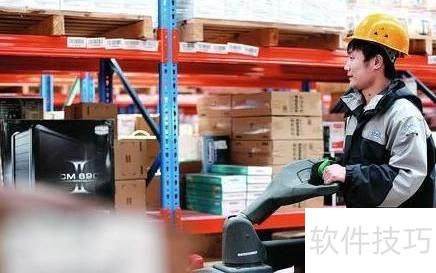
In my country, the future of the electricity and logistics industry is promising。
26. The current cost structure of the household electricity sector, with raw materials production costs accounting for 53 per cent of total costs and marketing expenditures as high as 46 per cent, shows a serious shortfall in logistics inputs. The mere transfer of logistics burdens to third-party enterprises is not an effective solution. The key to truly improving the quality of logistics services and controlling overall costs is to break down geographical and industry barriers and accelerate the construction of a nationwide network of synergies in household electricity flows. (c) to integrate decentralized logistics resources and improve overall operational efficiency by forming marketing and production unions that promote deeper inter-firm cooperation in logistics operations and efficient interfaces and seamless links between links through information technology. This alliance model not only helps to optimize supply chain systems, but also allows a number of enterprises to share logistics centres and distribution networks, avoiding duplication of the waste of resources, human and financial resources generated by construction. In a highly competitive and low-profit market environment, the establishment of a unified platform for logistics collaboration would be an important breakthrough for the domestic electricity sector. This intensive and synergistic mode of circulation is expected to evolve into a mainstream channel for future distribution of household electricity, facilitating a more efficient and sustainable shift across industry。

Summary
28. Our national electricity logistics has entered a new phase in which logistics enterprises, by virtue of their advantages in hardware facilities and software management, work in depth with domestic electric utilities to fully take over their logistics operations and form stable strategic alliances, with market patterns largely established. At the same time, the pattern of sales specific to the household electricity sector requires logistics enterprises to have a nationwide network layout in storage, transport, etc., as well as an efficient response speed, a strong movement control coordination capability and a refined cost control level. In addition, household electricity logistics is more specialized in the industries operating at the docks, storage management and transport links, requiring higher levels of service capacity and technical standards。
29. As raw material prices continue to rise, and the intra-enterprise space is becoming narrower, competition in the domestic electricity sector has moved gradually towards logistics beyond traditional production and marketing patterns. As a third source of profits after production and sale, efficient logistics is becoming the key to firms competing for market advantages. Achieving zero inventory management, reducing transport losses and ensuring timely and accurate distribution has become a central element in improving overall competitiveness. In the current environment, logistics is not only about the efficiency of delivery, but more directly affects cost control and profitability. Whoever can build a rapid, economical and reliable logistics system can take the initiative in a fierce race. Optimizing logistics has now become the most promising breakthrough for the domestic electricity sector in terms of realizing its potential and increasing its efficiency。
Https://soft. Zol. Com. Cn/10862531. HTMLsoft. Zol. Com. Cntrue online https://soft. Zol. Com. Cn/1086/1086/10862531. HTMLreport5901 defines logistics as the flow of goods from the place of supply to the receiving place, integrating the transport, storage, handling, handling, packaging, circulation processing, distribution and information processing chain in an efficient and coordinated manner, based on actual needs. 1, analysing the current policy environment in the country's domestic electricity and logistics industry, and interpreting relevant policies in the domestic electricity sector 3, 201...