In industrial areas such as oil, chemicals, electricity and nuclear power, valves are essential equipment in the fluid control system. However, the problem with the headache of numerous engineers is that the valve seals are always eroded, leaks begin within a short period of time, frequent replacements and high maintenance costs. Is there an effective grinding process that can fundamentally extend the life of the seal surface
I. Why does the valve seal face “continue to erode”
The valve seal surface is in the medium for a long period of time and is continuously washed and corroded by the medium and is highly vulnerable to damage. The reasons for the damage to the seals are manifold and include, inter alia, the following:
In the final analysis, the failure of the seal surface arises mainly from two levels of problem: firstly, the surface is not sufficiently rough enough - the slashing of the edge of the blade has caused partial “graft” to the sealed side during the release process, weakening the seal's performance; and secondly, the surface is not sufficiently rigid and resistant to grinding - under the combined effect of high pressure, high current speed and corrosive media, surface materials cannot withstand sustained erosion。
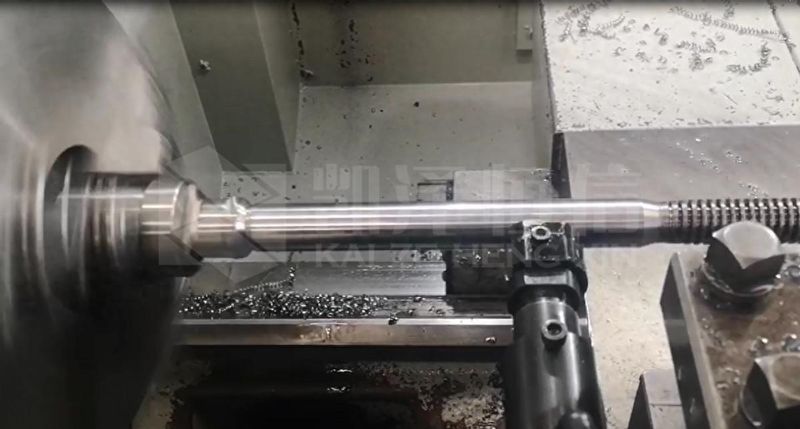
What have been the effects of traditional milling processes
In order to address the milling of the sealed surfaces, various surface hardening and strengthening processes have been developed in industry, each with its own context and limitations:
All of the above solutions address only one dimension — increasing surface hardness, but not balancing surface light. So, is there a process that simultaneously achieves high light purity and surface enhancement
Iii. Ultrasound mirror processing: a new approach to milling
Hypersonic mirror processing, also known as ultrasonic voltage, is the use of the cold plastic properties of metal materials at constant temperature, which is driven by ultrasonic special tools, with approximately 30,000 high frequency shocks per second to the metal surface, resulting in microplastic deformation of the material surface — peaks being flatened and valleys being filled — thereby significantly reducing the roughness of the surface, while introducing useful residual stress on the surface and finening of crystal particles to achieve the double effects of mirror effects and surface enhancement。
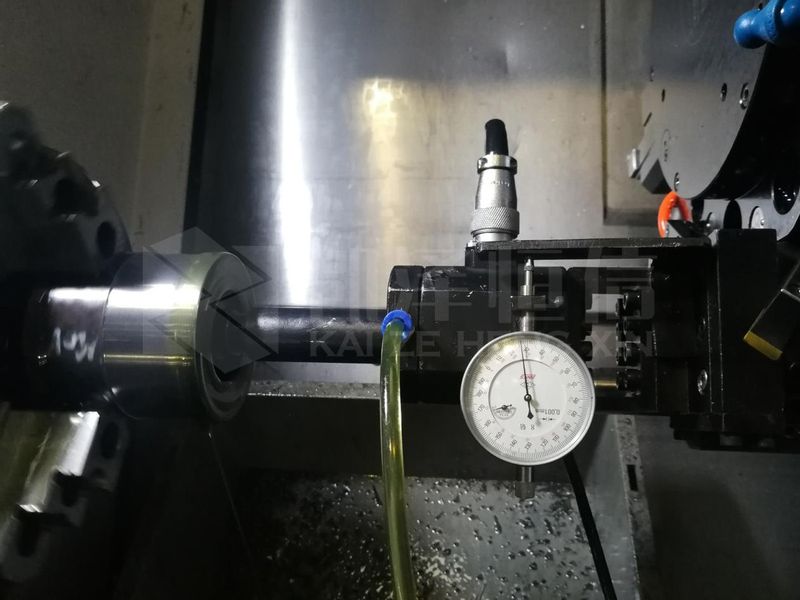
The core strengths of this process are reflected in several dimensions:
A significant increase in light purity. A single processing process allows the metal surface to have a mirror effect of less than 0. 2 m, fully meeting the harshness of the valve seal in the face of roughness. The surface hardness has increased significantly. After ultrasound mirror processing, the surface strength of the parts can be increased by more than 20 per cent. The processing of high-frequency pulse surfaces results in some residual pressure on the surface of the work, while the metal surface is fined to the nanoscale and the surface layer is significantly denser. (b) a combination of grinding and corrosive resistance. Reductions in surface roughness reduce friction coefficients and local stress concentration, while increases in hardness and density increase corrosive resistance by over 30 per cent. The ideal pressure stress of surface implants can also significantly prolong the fatigue of parts and make them more durable in high-pressure, corrosive environments. Green. The whole process is dust-free and environmentally friendly, enabling enterprises to achieve cleaner production. Iv. “respective scenarios” for valve sealing: what about ultrasound mirror processing
Ultrasound mirror processing equipment, which can be installed directly on machine beds such as general, numerically controlled, processing centres, is capable of processing a variety of metal materials, including stainless steel, rigid alloys, nickel-based alloys, cobalt-based alloys and titanium alloys。
In the valve industry, applications of ultrasound mirror processing techniques:
Valve core and valve seal surface. For sealed subsurfaces such as ball valves, butterfly valves, lock valves, cut-off valves, rotor valves, etc., ultrasound processes are performed directly after the craft, so that the sealed subsurfaces can have a mirror effect. At the same time, hardness increases, grinding improvements, corrosive increases and significant improvements in sealing performance. Valve pole. Valve poles are typical long-axis parts and are less rigid. The ultrasound mirror process allows the surface to rise to less than ra0. 2 in roughness at the same time, avoids placing injuries in fillings during rotation and significantly enhances sealing performance。
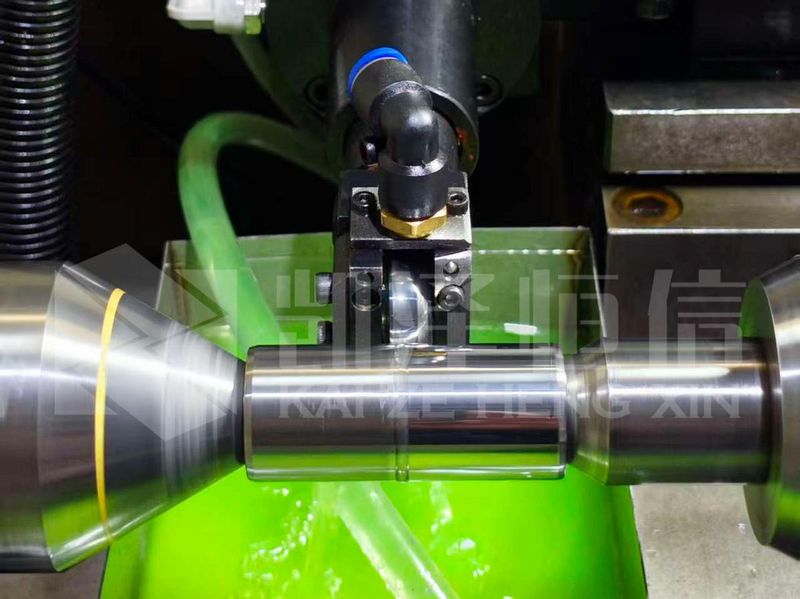
Returning to the question at the beginning: do valve seals tend to be corrosive and have mill resistance
The answer is not only that there are, but also that there are new and integrated processes that address both the dimensions of “light purity” and “surface enhancement”. The advantage of ultrasound mirror processing is that it does not simply cover a layer of hard material on a sealed surface, but makes the surface metal itself more dense, hard and smoother by a high frequency impact, while embedding useful residual stress and increasing the ability of the sealed surface to withstand erosion and corrosion at its source。