A friend of the engineering team called me a while ago and said that they had picked a bunch of electric ball valves, and the implementer was selected by the twist data on the sample, and it was loaded up and found to be intact。
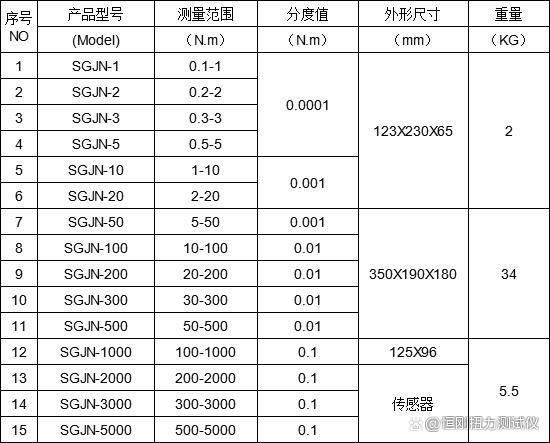
I asked him what the twist was on the sample, and he said it was 800n. M. They were equipped with 1,000n. M。
Then we went to the scene and we found out that the problem was in a place that many people ignored: the twists on the sample are empty data, but there's pressure in their pipes。
How did the data come from the sample
Numerous valve factory samples are marked with the top-noted twists, measured under laboratory conditions. There are no media in the valves, no pressure in the pipes and clean and clean seals。
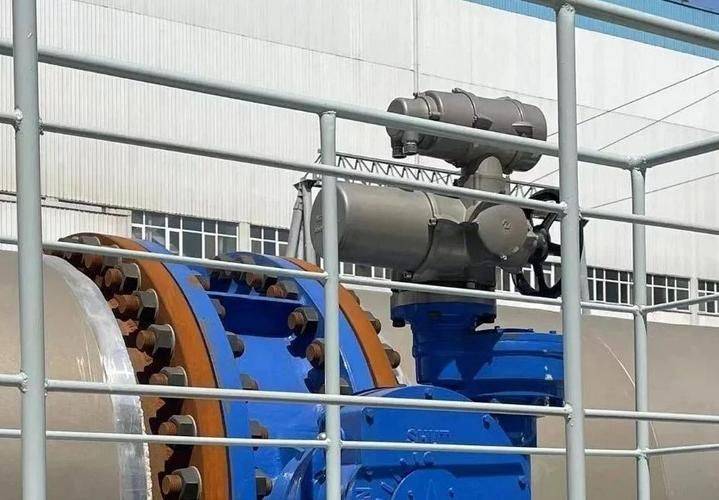
In practice, however, the valves have media and the pipe has pressure. The medium pressure creates additional force on the sealed surface of the valve, which transforms into a twist. The higher the pressure, the greater the twist。
For softly sealed valves, twists under pressure may be 30 to 50 per cent higher than empty loads. Hardly sealed valves are more visible and sometimes double。
If your selection is based on empty data, it's not surprising if you're on-site tape, and you're not moving。
It's not one time to start the turn and the roll. Yes
Another common area of error is the use of the public rectangles as the trigger。
It is known as the twist of the valve when it works properly, and the start of the turn of the valve is the twist that the valve needs to open from the moment of its static state。
The kickback is usually much higher than the callback. Some of the valves that we've measured are more than twice as high as the public turn。
If you're only a little higher than the official rectangular, it might be overloaded。
How does it work
My advice is:
First, as much pressure as possible. If you can't get it from the factory, you can check it yourself. Take some time to measure the twists in the real world, which is better than returning to work with the wrong model。
Second, the rated twister of the implementer should be 1. 2 to 1. 5 times the turner of the valve. Leave it. Don't get stuck。
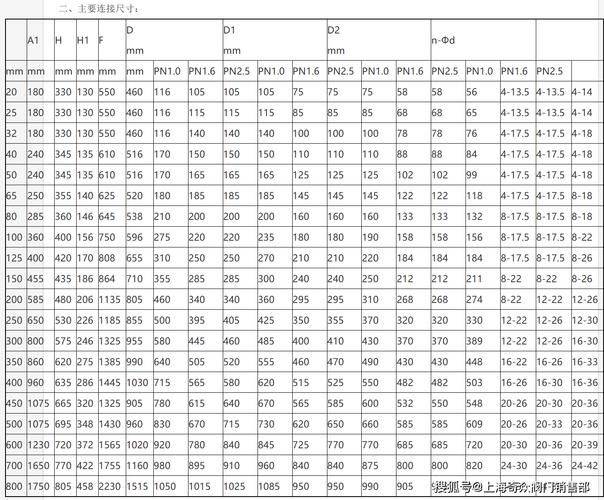
Third, if conditions permit, do a twist curve test. The curve tells you how the valve works in the whole process, not just the maximum. Sometimes it's not very easy to start the turn, but there's something in the middle that suddenly tightens, which can also be seen on the curve。
An actual case
A group of ball valves were purchased by a chemical plant, with an implementer based on sample data. The valve won't move after the pressure. The sm200 system was subsequently used for pressure testing and the twist was found to be 1. 8 times the sample data。
They fed back the data to the valve factory, which admitted that the data on the sample had been measured without pressure and were not clearly marked. Finally, the factory changed its valves and the problem was solved。
The lesson of this is that the data on the sample can be consulted, but not fully believed. The valves at a critical occasion should be measured by itself. It's not much, but it avoids big trouble。