Why is the constitution the fundamental law of the state
A: the constitution is the fundamental law that recognizes democratic systems and that concentrates on the actual contrast between the power of the various classes of society. The constitution is the fundamental law of the state and is based on:
(1) in terms of constitutional content, the constitution regulates, in general and at the macro level, the most important and fundamental issues in the life of the state and society, such as the basic national situation, the fundamental tasks of the state, the nature of the state and the form of organization of power。
(2) in terms of the legal effect of the constitution, the constitution has the highest legal force and any other laws, administrative regulations, local statutes, autonomous regulations and individual regulations, administrative regulations, etc. Must be based on the constitution and must not contradict it。
(3) the procedure for drafting and amending the constitution is much more stringent than the ordinary law. For example, amendments to our constitution must be proposed by the standing committee of the national people's congress or by more than one fifth of the deputies of the national people's congress and adopted by a majority of more than two thirds of the deputies of the national people's congress. Laws and other bills, on the other hand, must be adopted only by a majority of the representatives of the national people's congress。
What are the fundamental principles of our constitution
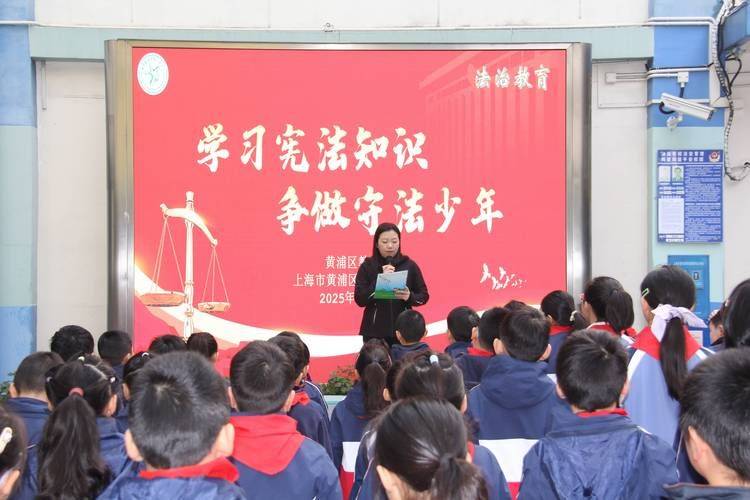
The basic principles of the constitution are the most basic norms of conduct to be followed in the formulation and implementation of the constitution, the most general spirit and the most basic requirements enshrined in the constitution. In accordance with the provisions of the constitution of the people's republic of china, the basic principles of our constitution include the principle of party leadership, the principle of people's sovereignty, the principle of safeguarding human rights, the principle of socialist rule of law and the principle of democratic concentration。
Which part of our current constitution is that
Since the establishment of the new china, we have drawn up and promulgated four constitutions of a socialist nature, the 1954, 1975, 1978 and 1982 respectively. The 1982 constitution, which is the constitution in force in our country, consists of the preamble and general outline, the basic rights and duties of citizens, state institutions, the flag, the national anthem, the national emblem and the capital。
When is our national constitutional day
Response: with a view to enhancing constitutional awareness throughout society, promoting the spirit of the constitution, strengthening its implementation and fully promoting a state governed by the rule of law, on 1 november 2014, the 11th session of the standing committee of the 12th national people's congress adopted by vote the decision of the standing committee of the national people's congress to establish a national constitutional day, which is to be observed on 4 december of each year。
What are the fundamental rights of citizens under our constitution
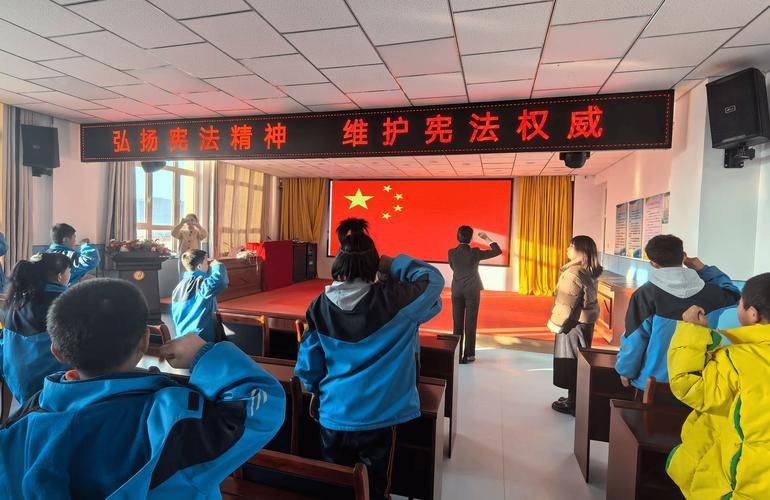
Answer: (1) the right to equality, i. E. The right to vote and the right to be elected, i. E. The right to vote and the right to be elected, irrespective of national origin, race, sex, occupation, family origin, religious belief, level of education, property status, length of residence, except for persons deprived of their political rights in accordance with the law; (3) the right to freedom of expression, publication, assembly, association, procession and demonstration; (4) the freedom of religion, including freedom to profess or not to believe in a religion, freedom to believe in one or other religion, freedom to believe in the same religion, freedom not to believe in one or other religion, freedom not in the past or not in the past; (5) the right to liberty of person, dignity of person and home, inviolability of religion, freedom of communication and confidentiality of correspondence; (6) the right to work, rest, the right to life security of a retired person and the right of a citizen to material assistance in the event of old age, illness or loss of labour; (7) the right to education, freedom to practice scientific research, cultural writing and other cultural activities; (8) the right of a woman to marry, family and children under the protection of the。
What are the basic obligations of citizens under the constitution
In our country, any citizen has the rights provided for in the constitution, while at the same time fulfilling the obligations set out in the laws of the constitution. The basic obligations of citizens under the constitution are: (1) the duty to preserve national unity and national unity; (2) the obligation to observe the constitution and the law, to preserve state secrecy, to respect public property, to observe labour discipline, to observe public order and to respect public morals; (3) the duty to preserve the safety, honour and interests of the homeland; (4) the duty to work; (5) the obligation to education; (6) the duty to defend the homeland, resist aggression, perform military service in accordance with the law and participate in militia organizations; (7) the duty to pay taxes in accordance with the law; (8) the obligation of both spouses to practise family planning; (9) the obligation of parents to provide for the upbringing and education of their minor children and the obligation of adult children to provide support and support for their parents。
What is the constitutional state of our country
Response: the country is defined as the class nature of the country, that is, the nature of the country. In particular, a state is defined as a state in which the class or classes are dominant, in which power is exercised, in which classes are allies of the ruling class and in which the class is dominated and oppressed. Our nation is a democratic dictatorship of the people. Article 1 of the constitution of the people's republic of china provides that the people's republic of china is a socialist state led by the working class and governed by a democratic people's dictatorship based on the union of industrial and agricultural workers. The socialist system is the fundamental system of the people's republic of china. Any organization or individual is prohibited from undermining the socialist system。
What is the constitutional system of government in our country
The political system refers to the form of political organization of a country, i. E. The form of organization of the dominant class in the country against the enemy and the organs of government that protect themselves. Our system of government is that of the people's congress. The constitution of the people's republic of china provides that all powers of the people's republic of china belong to the people. The organs in which the people exercise state power are the national people's congress and the people's congresses at the local level. The national people's congress and local people's congresses are democratically elected, accountable to the people and subject to their supervision. The organs of state administration, the ombudsman, the judiciary and the public prosecution service are created by the people's congress and are accountable to and supervised by it。
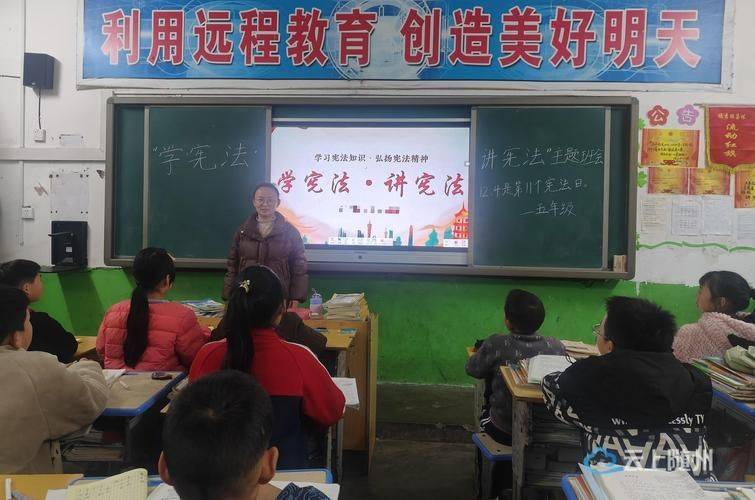
What is the constitution's fundamental system for our country
Article 1 of the constitution of the people's republic of china provides that the socialist system is the fundamental system of the people's republic of china. The leadership of the communist party of china (cpc) is an essential feature of chinese socialism. Any organization or individual is prohibited from undermining the socialist system。
What is the fundamental political system and basic political system of our country, as enshrined in the constitution
The fundamental political system of our country is that of the people's congress. Our basic political system is the multi-party system of cooperation and political consultation led by the communist party of china, the system of ethnic regional autonomy and the system of grass-roots popular autonomy。
What are the national institutions under our constitution
Response: the national institutions provided for in our constitution include the national people's congress, the president of the people's republic of china, the state council, the central military committee, the people's congresses at the local level and the people's governments at the local level, self-governing bodies of the autonomous ethnic regions, the monitoring committee, the people's courts and the people's procuratorates。