Many of the elderly have a common feeling: winter is good and spring is not well。
While the temperature is slowly warming, the sun gets warmer, but when you go out, you get tight, you get sour joints, you get back in the morning, you get stiff, and you blow a little wind, you get cold, you lose strength, you lose spirit。
The old saying is, “the spring wind is like a knife, and the lubricant hurts”. The wind of spring looks soft, but it hides cold, unlike the cold wind of winter, which is wet and cold and which penetrates the wind. In winter, the cold is outside and can be blocked by heavy clothing. The cold is drilled in the spring, crumbling bones, especially for elderly middle-aged people with weak blood and aging joints。
In particular, friends over 50 years of age are slow in the circulation of gas, wear and tear of the joint cartilage, loss of immunity and deterioration in the defence capacity of skin and muscle. As soon as the spring wind blows, the cold is wet and snuggles into the body and accumulates in joints, abdomen, necks, long-term problems with arteries, stiffness, coldness and heavyness。
One thing at the heart of spring life is to protect against the cold, keep the aerobics, maintain the joints and improve immunization. Today, it is clear to all that the whole method of home support in the middle and old age is focused on three key areas, with daily rest and regular home feeding and therapy, avoiding areas where everyone can easily step on, without medication, without physiotherapy, without running a hospital, to be safe at home, away from spring joints and infirmities。
First, spring wind focuses on the "three soft ribs" of the middle-aged
Spring joint pains, body fatigues and poor immunity are not at all a “normal phenomenon of old age” and most of these three key areas are left unguarded, leaving the spring wind wet. The three are essential for the survival of the middle-aged and the elderly, with thin skins, many connections, and a weak aerobics, who are the most vulnerable to cold-gas intrusions and simple home-based protection, thus averting most of the spring。
First: the back of the neck - the “first gate” of the disease invasion
Many middle-aged people take off their long scarfs early in the spring and feel warm and uncovered, which is the worst breeding area in the spring。
There is a wealth of arteries and caves behind the neck, connected to the body of blood, and a thin fat layer with little heat protection. When the spring wind blows, the cold goes straight through the neck into the back and the shoulder. You can all feel that you're not hot when your neck is sore, your shoulders sore, your head is so dizzy and your back is cold at night
Long-term winding of the neck not only causes acidic pain and rigidity to the shoulder neck, but also leads to a lack of blood on the head, increases dizziness, mental ailments, and also leads to colds in the seasons and respiratory disorders。
Simple home-based conservation methods (available to all)
1. In the early spring, you must guard your neck, without heavy scarfs, with a thin cotton turban and a needle for your neck, so as to keep the wind warm and fit for spring. When the windows are open at home, do not blow straight towards the neck and avoid the wind vents on the couch and bed。
2. Every night before sleep, warm water of around 40 degrees is used to cover the back of the neck and the upper back for 5 to 10 minutes each to disperse the cold and wetness accumulated during the day, relax the stiff bones and help sleep。
3. Every day, with less heads down and less seats, every hour, stretches up the neck and closes with a soft shoulder, promotes the circulation of the blood of the neck and does not block the cynics。
Second: a “storage warehouse” with a positive atmosphere
The waist is the heart of the kidneys, the blood of the abdomen, the body of the elderly, the core of the body, and the area most afraid of the cold。
In spring, day and night temperature varies greatly, warms up during the day and noon, and cold winds start early and late. Many people wear thin jackets during the day, show their waists, wear low waist pants, return cold at night and freeze directly through their waists. The most typical manifestations of cold wetness are acreage pains, stiff bends, morning rises and stagnates, which can lead to cold spleen, abdominal abdominal abdomen, defecation and infirmity。
Many senior and middle-aged friends suffer from repeated pain in their spring joints, which is not a bone problem, but a lack of abdominal aerobics, a decline in their overall resistance and a lack of accommodation in their bones。
Simple home-based conservation methods
1. In the early spring, he is determined not to show his waist, not his umbilical cord, not to wear his pants, even if it is warmer at noon, and to cover his waist with his shirt and a thin coat to keep him warm at any time。
Homes are free to do “temperature waist maintenance”: hands are heated, palms are held on both sides of their backs, and they are repeated for three to five minutes until they have a mild fever on their backs, each day and at night, and they are warm and connected to their waists in order to prevent pain in their hips。
3. At night, sleep must be covered with a stomach, not naked, not kicked, the coldest in the night, the weakest in human defence and the most vulnerable to cold gas。
Third: ankles on knees - "weak slabs" with whole joints
As the saying goes, “man is old and cold from his feet”. Knees and ankles are the most heavy and active joints of the human body, with little fat protection, supported by ligature and cartilage, both of which are the most vulnerable when the mid-age cartilage is degraded。
In spring, when the ground is heavy and windy, many older people are used to changing their shoes early and early, wearing thin socks, showing their ankles, and the spring wind is cold and wet, and they attack their ankles directly. This is also why many people do not hurt their legs in the winter, have cold knees in the spring, sour stairs up and down, sour ankles, and sore feet。
The cold and wet build up on the knee joints over a long period of time, making the joints rigid, afraid of the cold, indiscretion during the season, the less maintenance and the faster the ageing。
Simple home-based conservation methods
1. In the early spring, no shoes, no boat stockings, no ankles, insistence on wearing mid-barrel cotton stockings, choice of the shoes for heating, soft-shoe style, and protection of the ankles and gaps below the knee joint。
2. A warm water bubble foot for 15 minutes per day, which is controlled at around 40 degrees, without an ankle, and without a hot foot. Bubble feet remove the blood from the lower limbs, remove the dizziness of the dispersing joints and ease the day's sunk legs and stiff joints。
3. To avoid long standing, long crouching and frequent climbing of stairs on a daily basis, to spare no time in the home, to reach his knees, to move his ankles slowly, to reach his feet reasonably, to refrain from heavy crouching and to reduce joint wear and tear。
As long as the neck, waist and ankles are secured, 80 per cent of the cortex pain, cold and infirmity can be effectively avoided in the spring, which is the most basic and central point of life for the elderly。
Ii. Family food resources: without expensive food, the family eats three meals with strong body and joints
In the spring, a lot of people were thinking of “upholstering” and were blindly eating supplements, cattle and goats, and health care, but the more dry they were and the less. In mid-aged and old-age spring meal therapy, which is provided in the form of diet, greasy oil and cold, the core of which is mild and humid, warm and pyrogenic gas, the preservation of the abdominal abdomen, the rearing of the bones, the full use of household foods, safety and security, and the ability to do so at home。
1. Eat warm and wet foods to disperse the cold and wetness of the body
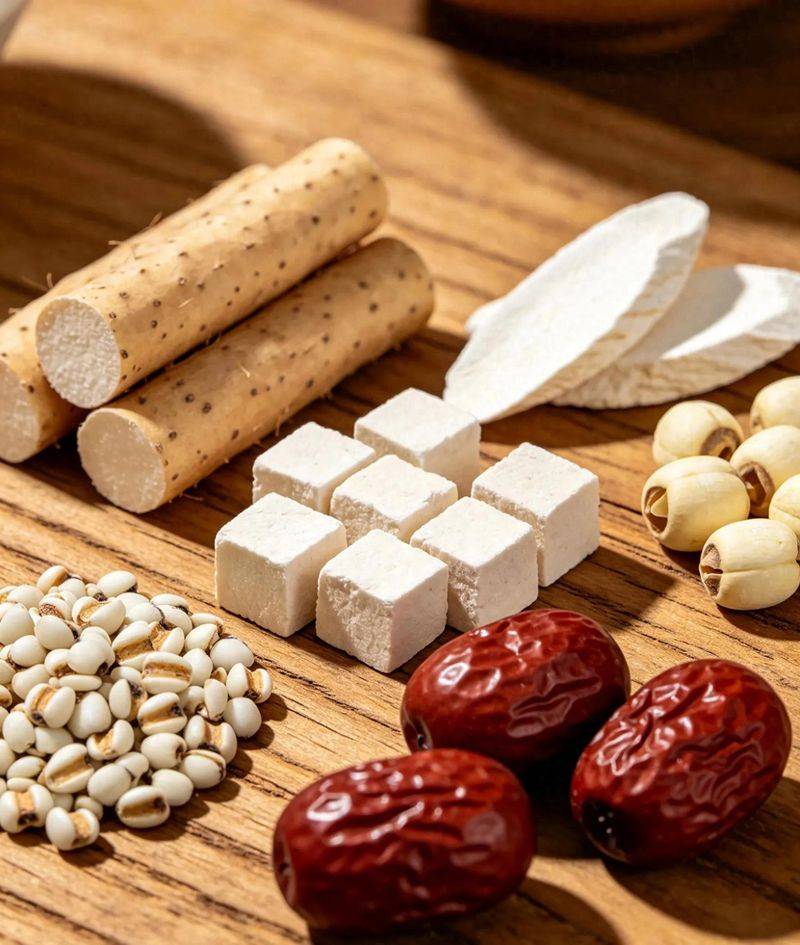
Those who are wet with the spring wind and are heavy with the wetness of their bodies are heavy, stiff joints, tired and hungry. Every day, three meals are eaten with warm and wet household foods: mountain medicine, porridge, lotions, rice, winter melons, white carrots, ginger and dates。
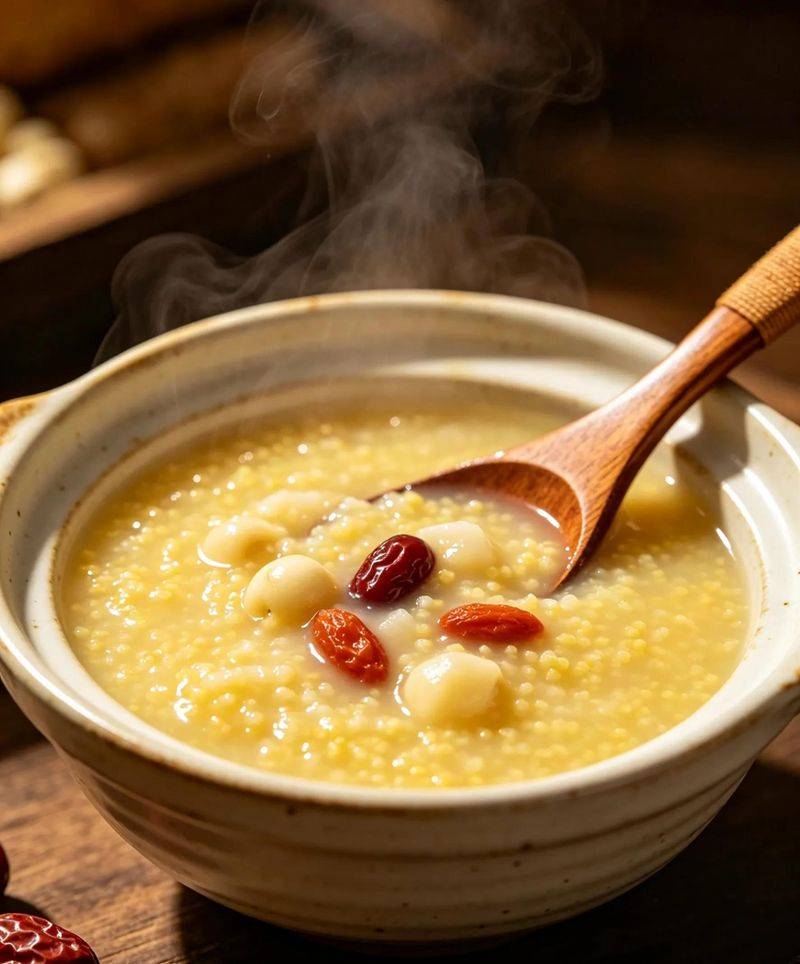
To recommend a family that always eats greasy porridge, fit for the old and the young, safe for the four seasons: porridge
Mi has a healthy spleen for the stomach, mountain medicine for the spleen, warm bones, and the hyena is wet, with a few red dates to regenerate the blood. Drinking a bowl in the morning, without greasyness or fire, long-term eating can improve the abdominal cold, incapacitating, and bloody feet。
Reduced consumption of three types of “harmed, positive” food
Many of the old-age joints suffer from repeated pains and poor physical condition, which is a problem that must be avoided in the spring:
(a) first, cold and cold: cold drinks, cold vegetables, raw fruit, cold and cold food, cold and cold, and the most incorruptible aerobics, which accumulates joints directly and exacerbates acid pain
Secondly, it is greasy: fatty meat, fried foods, heavy salines, and greasy foods add to the body's metabolic burden, resulting in wet air silt, poor blood and heavyness
Thirdly, excessive spicy irritation: peppers, liquors, heavy spicy foods, high livers in the spring, high heat levels, prone to fire, gas-depletion, leading to dry insomnia and poor health。
3. Haruhi's water supply is well managed, and he refuses to drink blindly water
Many people live in the wrong place: drinking more water can detoxify and wet. In fact, slow metabolism and weak integrity, as well as heavy and blind water consumption, increase the humidity and burden of the body and lead to edema and heavy joints。
Good practice: small amounts of warm water, mostly warm water, with 1,500 - 1800 ml of warm water per day, a warm water rises in the morning to awaken metabolism, drinking in the morning and in the afternoon, drinking without rioting, drinking without cold water, warming up with warm body and assistive circulation。
Iii. Mid-aged spring modulation: sleep-to-sleep, god-to-go, immunity double
The recovery of haemorrhagic blood depends on sleep and regularity. In the spring, many people are disturbed, sleepless early, up early, up late in the morning, up late in the morning, getting tired, falling apart, losing their immunity, and getting sick when the cold blows。
1. Early sleep to keep the liver warm and refuse to stay up late for blood
The spring is the luminous season, with sleep by 11 p. M., and the best time to repair the aerobics and build up the positive. The elderly, who stay up long nights, suffer from a lack of positive energy, low immune capacity and broken necks, not only are they prone to joint pains, but they also suffer from dizziness, agitation, poor resistance and high exposure to colds in exchange for seasons。
Senior and middle-aged friends are advised to go to bed at 10:30 p. M. In the spring and to go to sleep by 11 p. M. Without deliberately getting up early, ensuring that they sleep 7-8 hours a night and stay up for a week, so that they can clearly feel their body is not sunk, their joints are not rigid and their mental state is significantly better。
2. Pedestrian and resting
It is clear that many older persons sleep at noon for two to three hours, awakened, sorely and insomnia at night, typically for too long。
The correct way to take a nap: 20 to 30 minutes at 11 to 13 p. M., without stripping, without sleeping, and with eyes closed. Long naps can stifling air blood, silt and damp, disrupting day and night, and can undermine immunity。
3. Moderate morning activity and refusal to sit tight
In the spring, when the temperature is low and the wind is colder, it is forbidden to go out in the morning and exercise hard, and not to sit on the couch and stay in bed。
Best home-breeding: five minutes of slow-walking, stretching limbs, exercise neck shoulders, warm and arousing blood in the morning when the window is open; and a slow walk and light exercise when the morning sun is full. Long sittings with haemorrhage are an important contributing factor to joint pains and poor immune capacity, with 40 minutes each, up and running for 5 minutes, simple and healthy。
Iv. Avoid 90% of the elderly in the spring and do not get hurt
Many friends are working very hard to raise their children, with their feet falling, their porridge, their exercise, their nutrients, their poor health, their joints, and their faults. These mistakes are the most widespread and harmful, all of which are common household mistakes and must be corrected in a timely manner。
One: spring warms up. Take off your clothes
“springs and autumns” are the millennium truth and the easiest to ignore. Early spring temperatures are unstable, the night and day are high, the cold is dark, the coats are taken off, the clothes are worn, the skin is dermal and the joints are damaged。
It is best to keep it safe, not to be blind, to be covered early and late, to be worn less than noon, to have windy, moderate, unheated and uncold。
Zone 2: a lot of exercise every day, and more exercise to protect the joints
Many older persons feel that joint pain is a lack of exercise, and then they walk, jump, climb the stairs and exercise with great intensity. Uncertainly, the mosaics of the middle- and old-age joints are worn down and degraded, and excessive exercise increases the burden of the joints, with increased wear and sour pain。
At the core of spring exercise: mildness, ease, moderation, slow walking, stretching, tai chi, interior softening, fine sweat, no sweat, no sweat。
Mistake three: wet weight in spring, blindly empty cans, shaving wet
Many feel so heavy and stiff that they often shave and wet. Weaknesses, frequent sweating and degassing can lead to more aerobics and less resistance, which may seem to be easy at the moment, and a greater vulnerability to the cold。
Home-based subsistence is based on moderation, with no external force to wet, heat, bubble feet, diet, maintenance and safety。
Zone four: catching the wind, feeding the health
In the spring, there will be no need for extra ginseng, deer slurry, or all kinds of healthcare. The weakness of the upper and middle-age abdominal transport and blind improvement can lead to fire, food accumulation and haemorrhage, which not only does not feed but also increases the burden on the body and induces discomfort。
The real means of subsistence are three meals, a steady diet, a cold-proof, moderate activity, and a diet better than anything else。
V. Sustainable house study, sustainable employment, sustainable survey, sustainable
Older and middle-aged persons are vulnerable to illness and discomfort in the spring, and ultimately are less immune, less positive and less defensive. Immunisation does not take a complicated approach, it does not cost money, the family adheres to five small habits, and the state of health increases steadily, with fewer sickness and less pain in the new season。
1. Maintaining wind protection: day-to-day protection of the three weak parts of the neck, waist and ankle, without facing the wind, without taking off the thick coats, and against the sources of the cold and wet intrusion
2. Maintaining a three-food clean-up pattern: no cold, no grueling, no gruelling, good stomach and blood, and strong immunity from haemorrhaging
3. Insisting on early sleep and not staying up late: sleeping is the holding up of the sun, the sun is strong, the neck is strong and resistance is doubled
4. Persisting on daily light activity: avoiding prolonged sleep, mild and aerobic bleeding and preventing silts and rigid joints
5. Insisting on calmness and less anger: high liver in the spring, anger, irritation and depression can lead to abdominal bruising, discomfort, calm, less anger, and the cheapest means of subsistence。
Spring is the golden season for the preservation of the sun, the maintenance of the joints, the upgrading of the body, and the season in which the elderly are most vulnerable to the cold and wet of the wind and the downfall。
Feeding is never a complex major undertaking and does not require expensive foods and instruments. The best way to care for the elderly in the spring is to protect them from the three vitals, to eat their usual meals, to sleep well, to avoid culpable faults, and to maintain moderation and conservation。
All methods of conservation can be done, safe and simple, undisturbed, unharmed and long-standing, both to avoid repeated pains and coldness in the spring and to steadily increase immunity, to stabilize the whole year, to reduce illness and suffering, and to relax and spend every spring。
It is recommended that you gather this method of raising the children of spring and forward it to the parents, parents and friends of the family, to keep their bodies well in the spring, and not to be sick for four seasons a year