A number of parents find the children's three-year junior high school knowledge of languages to be fragmented, and the ancient poems that they have been taught are easy to forget, the points of modern writing cannot be captured, and the basic questions are repeatedly dropped. From the beginning of the first word, the first two poems, the third reading and writing combined, the six books appear to be scattered, and they actually fit into five fixed knowledge blocks. Many children are blindly brushed without points, and lack a systematic summary of the nature of the problem and a web of knowledge that links random points。
If the full three-year frame can be broken and the weak holes filled, the base, text, reading and writing lines can rise steadily. ** it is recommended that parents should start by commending the collection so that it can be followed up and repeated for the children, so that the short pages can not be completed for three years. ** this title consolidates the core points of knowledge for all junior high schools, refines the points of thought and the logic of the answer, so that students can read and read the texts themselves。
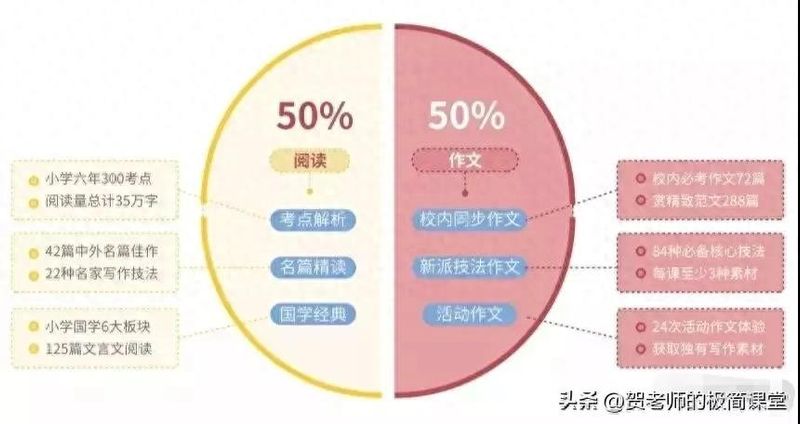
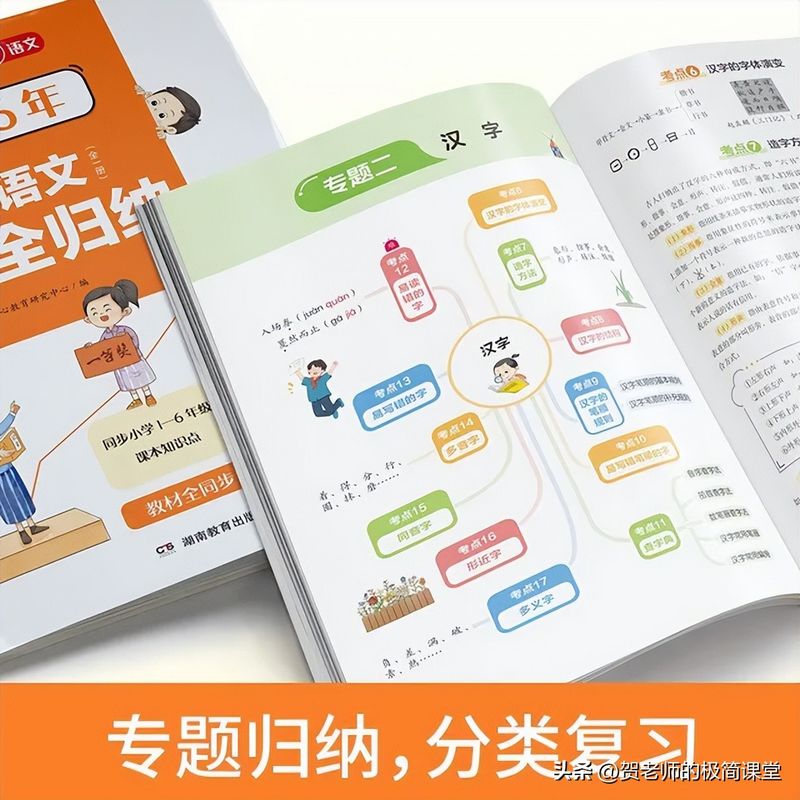
I. Basic accumulation module (summary of error prone points in full volumes, bottom scores)
A combination of six classes is mandatory for cross-literate fonts, with three error-prone categories of polysynthesis, proxies and synonyms, with a fine selection of high frequency (hf) error-prone words; three error-prone types of mischaracteristics with a focus on words, misused objects and misdirected positions, and a compilation of 82 annual high frequency errors with a brief interpretation。
The pathologies target six main types of examination for lower secondary school: component disability, inappropriate matchmaking, disorder of speech, repetition of semantics, inconsistencies, incoherence of phrases, and synonyms for the various pathologies, which enable students to quickly determine speech diseases. The guidelines are used for the five main points of reference for the points of reference, the dot, the semicolon, the dash and the book name, distinguishing between direct and indirect references and avoiding the loss of points in the selection sub-issue. All of the above is derived from the course materials, which are the source of the subject of the 18 sub-basic questions before the entire paper。
Ii. Poetry specialization (spoken + two-sum summary)
Based on the six main themes of patriotism, travel, sending farewell messages, mountain viewing, life philosophy, and self-advocacy, the entire book must be summed up, and 130 high frequency (hf) perceptive writings can easily be miswritten by note, resolving the general problem of "back-to-back-write"。
A summary of the benefits is given in 12 different forms of performance for the mid-level examination: drawing on the view, philosophies, false combinations, vibrancy, contrasting contrasts, routing, side baking, etc., to consolidate the generic response paradigm: + textual content + ideological emotion, universal reading of the entire verse of poetry, and the standardization of step-downs in the student memory template。
Iii. Synopsis of texts (fiction + integration)
The 18 mandatory texts combine the full interpretation of the term with the classic text of the lesson (which is, and is, and is, and is, etc.) and bring together the term in a multi-purpose, multi-faceted, multi-worded 62, ancient 47, 38 word-type work, covering all hard-to-reach items in the course。
Reconciling sentences, omitting sentences, inverting sentences, transposing sentences, transacting four special phrases, extracting the four-word solution of the external language of the course: in-school migration, interpretation of phrases, interpretation of language, semantic analysis, and the ability of students to learn to read the external language of the course on their own。
Iv. Summary of the response system of the three languages