Closer to advanced examinations, a number of students are caught in the wrong zone of blind mapping, neglecting the reset of the knowledge point system。
Many parents are also puzzled by the fact that children can't break through with their scores, which are based on a fragmented knowledge that does not form a complete knowledge module and cannot be tackled with a composite problem. The language points of high school appear to be complex and can be divided into four core modules, using language and text applications, reading in ancient poetry, reading in modern scripts and writing, with each module taking a fixed and clear approach。
Today, the core knowledge points of the entire module are systematized to help children build knowledge systems and target gaps. Parents are advised to celebrate the collection so that children can follow the list to identify the weak points and score them efficiently。
Module 1: use of language and text。
The module is a sub-division of the base for advanced examinations, with a score of 20, with a flexible thematic but highly concentrated perspective, divided into the word type, word resolution, disease resolution, sentence transformation, and a composite of five main sub-modules。
The accent focuses on the error-prone words of the high frequency in the course, with a focus on the close, multisound, pronunciated words, without extensive recitation before the examination, and on the words of the focus simulations, which are repeated errors in the actual question。
The description of words consists of three categories: words, words, false words, words that focus on the meaning of the words, the meaning of the words, the interpretation of the words, the misusing of the words, the misusing of the objects, and the non-conformity of the words; words that focus on the weight of the words, the scope of application, the matching of objects; and words that focus on the logic of the associated words。
The sentence identifies six major diseases: inappropriate combinations, defective or redundant composition, inappropriate sequences, confusion, lack of clarity and logic, with typical sentences for each type of disease, which can be summed up quickly。
Interpreting content in the context of the paragraphs is done in accordance with the principle of “looking ahead, grasping the subject matter” and in accordance with the core grammatical logic of the phrase, which is the combined application point。
This module, which accumulates and repeats, draws out 15 minutes of error each day, and achieves zero error。
Module ii: reading ancient poetry。
The total score of 34 points is divided into texts, ancient poetry, and three sub-modules written under the title。
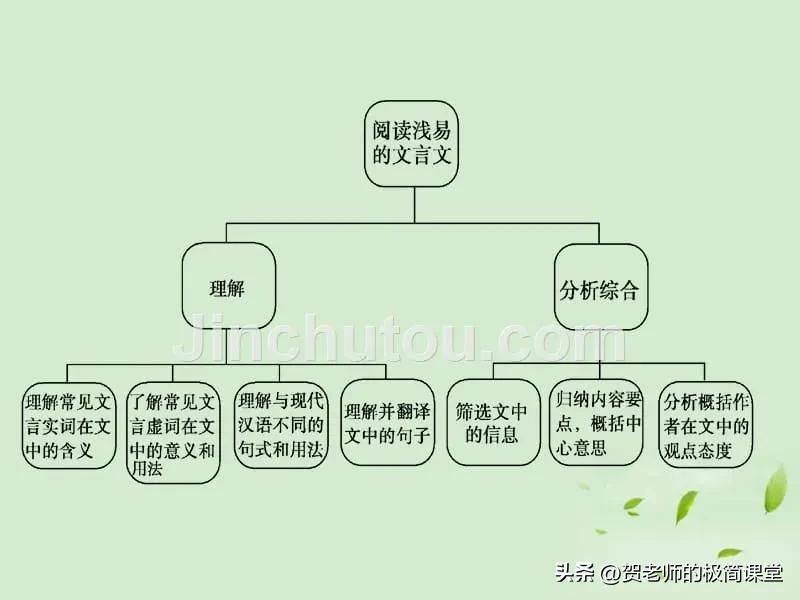
The core points of the text are 120 words, 18 words, four special sentences (judgements, passive sentences, omitted sentences, inverted sentences) and the active use of words and their ancient meanings. Inverted sentences are difficult to translate, broken down into front lines, back lines, back lines, main titles, which have to be rewritten into modern chinese. The translation theme adheres to the principle of “implementing words, translating them directly” and focuses on the implementation of words, fictions and special sentences, which are key to achieving full score。
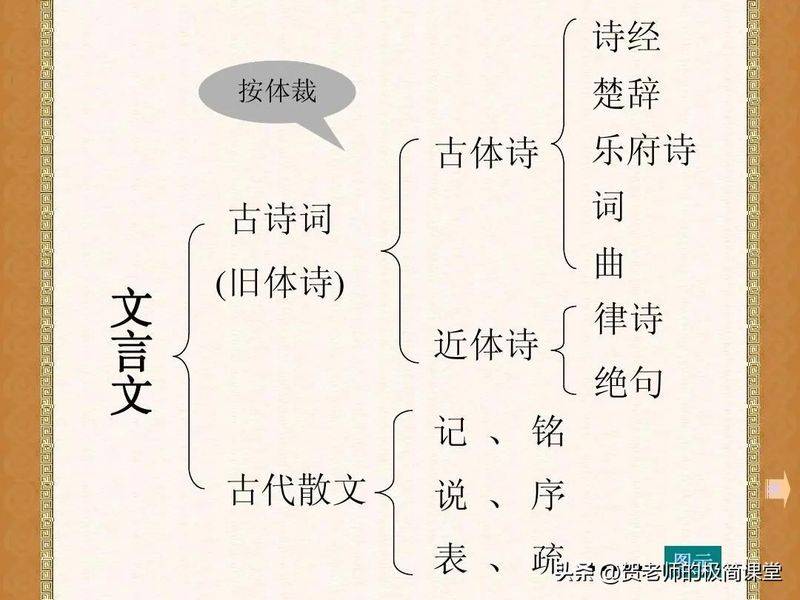
The ancient poetry is divided into four main points of view: image, language, expression skills, and mental emotion。
Words are written to highlight the new subject, which assigns a recitation, focusing on the issues of pseudonyms, error-prone words, missing words, etc., 6 points of the score。
Module iii: modern reading。
It is divided into two blocks: information and literature。
The information-based text focuses on logical analysis, focusing on argumentation, content understanding, logical inference, and the core of the solution is to combo the text, distinguish between the original language expression and options, and recognize the charade of poaching concepts, scope changes, causal reversals, etc。
The literary text contains novels and essays, which are written around four main elements: person, circumstance, environment, subject matter; the essay focuses on sentence appreciation, emotional awareness, art analysis, and answers need to be combined with text, using specialized terminology。
Module 4: writing。
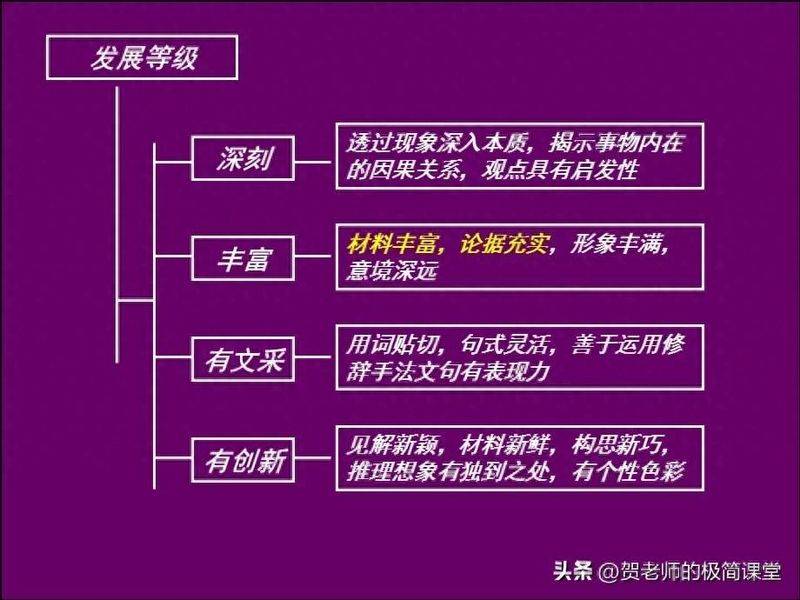
60 main issues, divided into four main modules: conceptualization, structural layout, material use, language expression。
The subject is meant to be the bottom line, and material writing requires the extraction of core keywords, the identification of relationships and the elimination of bias
The structure recommends a practical structure for five three-part, layer-by-layer examination fields
Materials reject old cases and catalogue new age materials such as youth struggles, cultural heritage, science, technology and innovation, and social responsibility
Language expression can accumulate high-level, famous sentences and enhance articles。
Language upgrading depends on a complete knowledge system rather than on sporadic memory. The list of pre-test control modules fills the gaps in knowledge and keeps the foundation firmly in hand. This is a practical and comprehensive article, which you are welcome to share。
Follow-up activities are being carried out to update the knowledge points and problem-solving techniques of the modules of the various sections, and to accompany the children in their efforts to advance their examinations。