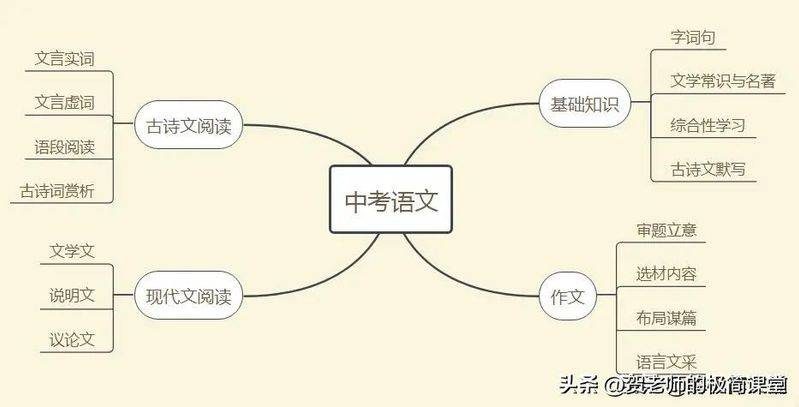
Language knowledge at the junior secondary level can be clearly divided into four core modules, namely, linguistic fundamentals, texts of ancient poetry, reading and writing of modern texts, each of which has its own functions and forms the skeletal skeletal base for the entire exercise。
Many of the students have undergone an incoherent review, which is essentially a failure to comb through knowledge according to modules, and a lack of precision in the identification of weaknesses. The basic modules are repeatedly divided, there are gaps in translation, irregular readings and poorly written texts, which are common to most students。
Closer to mid-level examinations, modularized refresher exercises are the most efficient way to achieve a steady increase in scores by breaking the board by block and taking one by one. Today, the three-year junior high school language content is divided into four separate modules, with each module subdivided into a second-level examination point, consolidating knowledge points, response methods, error-prone alerts, running through the first to the third cycle, with a complete system and adequate supplies. Parents can praise the collection, allow children to fill their gaps in each module and systematize their language performance。
Module i: use of language and text (feed-down module, mandatory for all grades)
This module, which is the basis for the first few questions of the paper, has a stable value and focuses on accumulation and care, broken down into four secondary points:
Word fonts combining error-prone words in six books, dividing three types of error-prone type: polysynthesis (combining speech-based pronunciation, e. G., "carrying, number, rows"), prosymphony (defensive/diagnosing/tailing, dry/ manic, i. E. Both) and synonym. Every day, you insist on listening and writing, creating a personal error book and making a zero error. It also supplements the techniques of error-prone, sound-dialysis and avoids customary writing errors. Words and words. Words, fictions, and interpretation focus on combinations and contexts. To sort out high-frequency (hf) in junior high schools, such as “first-to-first-to-first-to-first-to-peer” and so forth, to clarify the meaning and misuse of the scene, and to make sure that we are desperate. Diagnosis and modification of the pathological sentence each sentence is marked, the thinking is modified, and a typical example is given, so that errors can be quickly identified when the pattern is in place. Punctuation focus, commas, semi-colons, quotations, book numbers, dashed six-high frequency markers, explicitly using rules and error-prone points, distinguishing between direct and indirect quotations. Module ii: ancient poetry & text (high score, accumulation + skills combined)
The three sub-modules, which are divided into ancient poetry, essays in the course, and the migration of extracurricular texts, are the most difficult language in junior high school。
Classicized by thematic modules (patriotic, home-thinking, farewell, philosophy, writing, persuasion), specializing in philosophies of sexual understanding, with the labeling of error-prone and pseudonyms. Accomplishment: fixed response templates, disassembly image analysis, graphics, tact appreciation, emotional themes. Summarizing high-frequency performance techniques such as visualization, narratives, motion combinations, false combinations, with standard answer terminology, common for three years. The text of the course is based on three core points: one text (the word is multi-word, the old is different, the word is useful); 218 scripts (it is, it is, it is, it is, it is, it is, it is, it is, it is, it is, it is, it is, it is, it is, it is, it is, it is, it is, it is, it is, it is, it is, it is, it is, it is, it is, it is, it is, it is, it is, it is, it is, it is, it is, it is, it is, it is, it is, it is, it is, it is, it is, it is, it is, it is, it is, it is, it is, it is, it is, it is, it is, it is, it is, it is, it is, it is, it is, it is, it is, it is, it is, it is, it is, it is, it is, it is, it is, it is, it is, and it is, it is, it is, we're going to have to go through every single one of them and get to the bottom of the lesson. The core competencies are knowledge migration, speech inference, sentence translation, content understanding and three techniques. They follow the logic of “in-school knowledge point + extracurricular language”, which is accompanied by combat methods, and solves the problem of extracurricular language。
Module iii: modern text reading (modularization of three languages, standardization of answer systems)
Modern texts at the junior secondary level are divided into three main styles: narratives, notes, papers and papers, each with a separate module, with no confusion between points and response templates。
The narrative module (first core, medium focus) subdivided the points of reference: a summary of the story, an analysis of the image of the person, the role of the environment, a sentence appreciation, the meaning of the title, the role of the paragraph. A tiered response formula is given for each point of consideration, distinguishing the surface from the deeper meaning, requiring the response point, terminological regulation. Note module (second focus) core four elements: description of object and characteristics, description order (time / space / logic), nine description methods and roles, description of language characteristics (accuracy, liveness). A summary of the solution to the broader issues of language appreciation and material links. Discussion paper module (first three dilemmas) a logical approach to the presentation, teaching students fast-positioning arguments, an analytical validation process, and addressing the logical type. Module iv: writing module (axis, breakout + breakout)
The csa presentation is mainly written in narrative form, with four main training modules divided between applied texts and simple talking articles:
(c) module on material accumulation: classification of development, affection, school, social, awareness-raising materials, with a view to applying them from a wide perspective. Structured framework modules: to explain the sum of totals, subheadings, threads, layers of layers into four classical drafting structures, suitable for different essay topics. Detailed modules: action, deformity, language, psychology, environmental techniques, detail upgrading techniques, and goodbyes. The beginning and end modules: summarize the opening lines of mountains, scenarios, quotes, etc., as well as the final formulations of the promotion theme, echoing title, synopsis, etc., and quickly create the end of the high-point line。
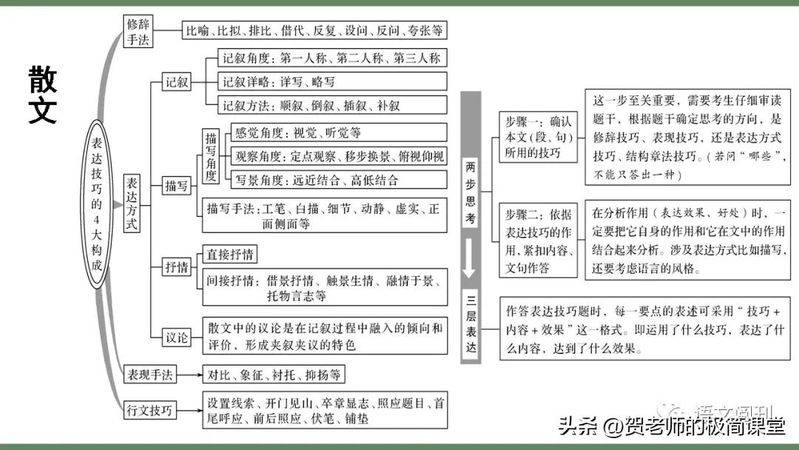
The four main modular layers are progressive and cover all entry points for lower secondary languages. Modularized refresher exercises can make learning goals clearer and avoid blind mapping. First, the basics will be secured, then the words will be attacked, the hard points will be read, and finally the writings will be sharpened, so that they can be fully elevated。
Parents are advised to pay tribute to the fact that this modular material is being collected to encourage children to plan daily study sessions in separate sections。