Management system i. Overview of management system for use of campus rooms
The rational and efficient use of campus rooms, which serve as an important venue for intra-enterprise exchanges, is important for improving the efficiency of the work and quality of meetings. The purpose of this management system is to regulate the use of campus conference rooms, to ensure that conference room resources are allocated and fully utilized, to improve the efficiency of meetings and to create a sound conference environment. The system applies to the use of all conference rooms in the campus, including, but not limited to, conference room appointments, time spent, participants, minutes of meetings, etc。
Ii. Room reservation process
In order to ensure rational use of the conference rooms, the following process is used for making reservations to the conference rooms:
1. Arrangements: conference room appointments are made through the internal reservation system, in which the person making the appointment fills out information on the subject of the meeting, the participants, the meeting time, the expected start and end time。
2. Appointments: conference room appointments should be made at least one day in advance and, where special circumstances require, conference room managers should, as far as possible, be informed in advance。
3. Audit of appointments: conference room managers will conduct an audit upon receipt of an appointment request to confirm the availability and compliance of the meeting rooms。
4. Confirmation of appointment: after clearance, the appointmenter will receive a notice of success and the appointment will not be subject to arbitrary change and, if adjusted, will submit it 24 hours in advance to the conference room manager。
5. Cancelling of appointments: should an appointment be cancelled, the appointmenter should notify the conference room manager at least two hours in advance of the start of the meeting so that other departments can adjust their use plans in a timely manner。
6. Recording of appointments: conference room managers will keep an appointment record for queries and statistics。
Iii. Provisions for the use of conference rooms
1. Scope of use: the meeting room is restricted to the internal department or team of the company and external visitors require the consent of the relevant department。
2. Use of time: the meeting room shall be used at the appointed time, without unauthorized extension。
3. Number of users: the number of meeting room users should not exceed its capacity, and requests should be submitted in advance to the conference room manager if overstaffing is required。
4. Environmental maintenance: users should keep the conference rooms clean and not place items at random, and use them to restore them to good condition。
5. Use of equipment: equipment in a conference room, such as projectors, sound, etc., is operated by the user and needs to be restored to its original state after use。
6. Disciplinary requirements: silence during meetings and the prohibition of non-conference-related activities, such as shouting, smoking, etc., in conference rooms。
7. Security responsibilities: users shall be responsible for security during meetings and, in case of security risks, shall immediately notify the relevant authorities to deal with them。
8. Confidentiality of information: the proceedings shall be strictly confidential and shall not be disclosed to non-participants。
9. Use of records: conference room usage is recorded by conference room managers, including time use, participants, conference themes, etc., for subsequent analysis and improvement。
10. Infringements: violations of this provision are dealt with in the light of the gravity of the case, in the form of warnings, fines, etc., and in the case of serious offences, the right of access is revoked。
Iv. Conference room equipment and maintenance
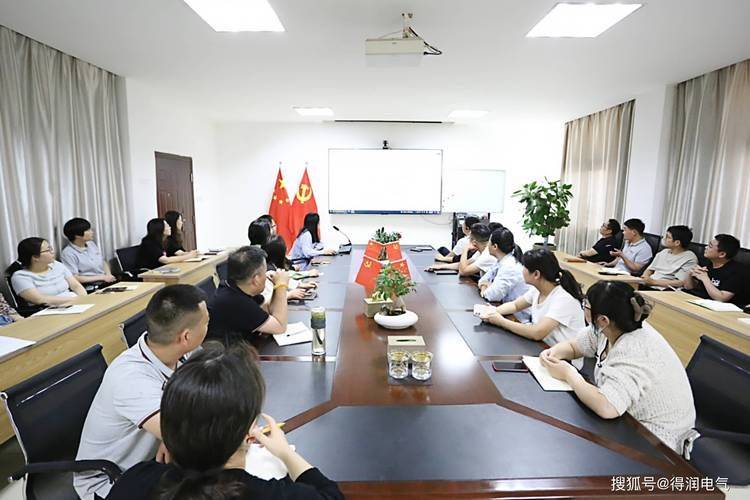
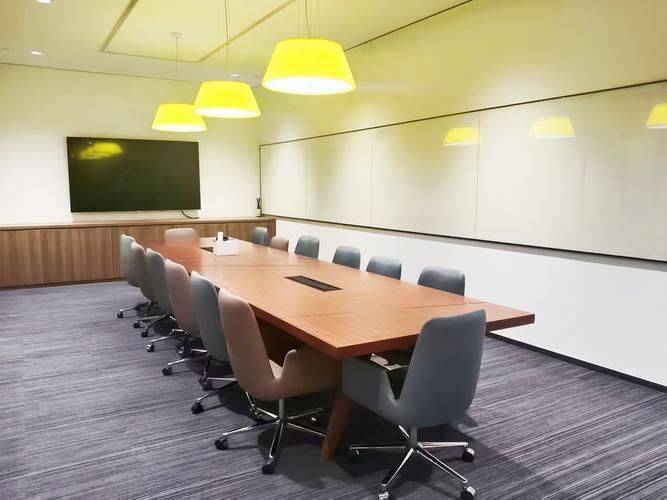
List of equipment: conference rooms are equipped with equipment such as projectors, sound systems, whiteboards, laptops, etc., which should be used in such a way as to ensure that the equipment is complete。
2. Equipment operations: users need to be familiar with the operating methods of conference room equipment and can consult conference room managers if they need assistance。
3. Maintenance of equipment: in day-to-day use, the user shall take care of the equipment to avoid damage. If equipment malfunctions are detected, they should be reported to conference room managers in a timely manner。
4. Equipment upgrades: conference room equipment is regularly maintained and inspected and, if necessary, updated。
5. Cleaning of equipment: upon completion of use, the user shall be responsible for cleaning equipment, such as projector lenses, sound equipment, etc。
6. Recording of equipment usage: conference room managers will record the use of equipment, including time, user, equipment status, etc。
7. Equipment training: regular training of users in equipment operation to ensure proper and safe use of conference room equipment。
8. Security of equipment: when using conference room equipment, users should comply with safety protocols to prevent accidents。
9. Equipment failure management: conference room managers should contact maintenance staff in a timely manner in the event of equipment failure to ensure that equipment is returned to normal as soon as possible。
10. Equipment usage specifications: detailed equipment usage specifications are developed and posted in visible conference room locations for user information。
V. Use of records and reports in the room
1. Recording: conference room usage records should include detailed information on the subject of the meeting, appointment, attendance, meeting time, conference room status, equipment usage, etc。
2. Recording: records used in conference rooms can be generated automatically through the reservation system or manually by conference room managers。
3. Generation of reports: at the end of each month, conference room managers will summarize the use of conference rooms for the month and generate usage reports。
4. Reporting: the report should include key data on conference room usage, peak hours, departmental usage and equipment usage。
5. Reporting purposes: use of reports to analyse the efficiency of conference room use and provide a basis for optimizing the allocation of conference room resources。
6. Distribution of reports: the reports will be circulated to management, relevant departments and conference room managers after they have been reviewed by the relevant department。
7. Data analysis: based on usage reports, trends in the use of conference rooms are regularly analysed and improvements proposed。
8. Resource adjustments: based on the results of the analysis, rationalization of conference room resources to increase efficiency。
9. Archiving: records and reports used in conference rooms will be kept as archives for subsequent reference。
10. User feedback: users are encouraged to provide comments and suggestions on the use of conference rooms for continuous improvement。
Vi. Distributions and accountability
1. Definition of violations: violations include, but are not limited to, unauthorized use of meeting rooms, excessive use of meeting rooms, non-compliance with meeting discipline, damage to conference room equipment, etc。
2. Warnings and fines: in case of violation, the warning shall be given in accordance with the gravity of the case and a fine of a certain amount may be imposed。
3. Criteria for fines: the amount of the fine will be determined on the basis of the nature and gravity of the offence and will be specified in the system。

4. Accountability: if the violation results in loss or impact, the person responsible will bear the corresponding financial compensation or liability。
5. Process: the process of handling violations includes investigation, taking evidence, determining penalties and enforcing penalties。
6. Investigation evidence: once irregularities have been detected, conference room managers will investigate and take evidence to ensure that the facts are clear and substantiated。
7. Decision on disposition: on the basis of the results of the investigation and the relevant provisions, the disciplinary measure for the violation is decided。
8. Enforcement of penalties: when a decision on punishment comes into effect, the person responsible shall complete the payment of a fine or other penalty within a specified time period。
9. Notification of responsibility: serious violations will be reported and made public to a certain extent。
10. Education and improvement: educating those responsible for violations and taking measures to prevent the recurrence of similar incidents。
Vii. Training and communication
1. Training content: regular training of conference room users on conference room management systems, equipment practices, conference discipline, etc。
2. Forms of training: training may take the form of in-house training courses, workshops, online courses, etc。
3. Target audience: all staff and departmental representatives using conference rooms are targeted。
4. Channels of communication: establishment of conference rooms to use advisory mailboxes and telephones to facilitate user consultation on problems encountered in their use。
Feedback: users are encouraged to provide comments and suggestions on the management of conference room usage through mail, face-to-face communication, etc。
6. Recording of communication: recording of user advice and feedback and regular analysis to improve management practices。
7. Notifications: users are informed in a timely manner, through internal communication tools or mail systems, of important information about the use of conference rooms, such as temporary adjustments, equipment upgrades, etc。
8. Case sharing: sharing success stories from the use of conference rooms on a regular basis to increase user efficiency and satisfaction。
Assessment of the effectiveness of training: an assessment of the effectiveness of training to ensure that the content of the training meets the actual needs and that user skills are effectively upgraded。
10. Ongoing improvement: continuous optimization of training content and modes of communication based on training effectiveness assessment and user feedback to improve the management of conference room usage。
Annex
1. The department of corporate administration is responsible for interpreting and revising the system。
2. If the relevant provisions of the present regime, which have been in force since its publication, are inconsistent with the present regime, it shall prevail。
3. If the system is not completed, the ministry of corporate administration may make additional provisions depending on the circumstances。
4. All sections and employees of the company shall strictly observe the system and, in case of violation, shall be dealt with in accordance with the relevant provisions。
5. In the event of a change in the system, the company will notify all employees through internal bulletins or mail。
6. In case of doubt in the implementation of this system, the employee may consult the department of administration。
7. Any violation of national laws and regulations shall prevail。
8. In the event of a change or termination of this system, the company will notify all employees in writing and perform the relevant rehabilitation work。
9. The annex to this system includes, but is not limited to, the application form for the use of conference rooms, the log sheet for the use of conference rooms, etc。
10. If the system is not completed, it is the responsibility of the department of corporate administration to interpret and supplement it。
Ix. Oversight and implementation
1. Oversight bodies: the company has established a dedicated oversight body to oversee and implement the management system for the use of conference rooms。
Oversight responsibilities: oversight bodies are responsible for inspecting the use of conference rooms to ensure that the system is effectively implemented and for detecting irregularities。
3. Oversight modalities: oversight by oversight bodies through periodic inspections, random spot checks, feedback from users, etc。
4. Strength of implementation: violations of the management system for the use of conference rooms will be dealt with strictly by the oversight bodies, ensuring seriousness and impartiality in the implementation of the system。
5. Executors: the executive is designated by the supervisory body and is responsible for the specific execution of supervision and punishment。
6. Enforcement procedures: the enforcement procedures include investigation, evidence, determination of penalties, enforcement of penalties, etc., to ensure that each step is based on evidence。
7. Implementation results: the results will be recorded and those responsible will be informed to serve as a warning。
8. Implementation feedback: in the implementation process, the oversight bodies will gather feedback from all parties, continuously optimize implementation strategies and increase efficiency。
9. Implementation training: executives will receive regular training to ensure adequate understanding and implementation of the system。
10. Implementation oversight: corporate management will monitor the performance of oversight bodies to ensure their effectiveness and independence。
Amendment and entry into force of the regime
1. Procedures for revision: should the system be revised, it is the responsibility of the department of corporate administration to propose amendments, which are discussed and amended by the relevant department and submitted to the management of the company for approval。
2. Revisions: revisions should include, but are not limited to, adjustments to conference room usage rules, management processes, irregularities, etc。
3. Modified notices: the revised system will be officially published and all employees will be notified through internal communication tools, bulletin boards, etc。
4. Effective date: the revised regime shall take effect from the date of its issuance and shall prevail if the original provisions are inconsistent with the revised regime。
5. Transition period: pending the entry into force of the revised system, companies should develop transitional policies to ensure a smooth transition between the old and the new system。
6. Training and awareness-raising: once the revised system has entered into force, the ministry of corporate administration will group