Leakages in air conditioner refrigeration systems include leakages in refrigeration compressors, condensers, evaporaters, dry filters, hairy catheters, etc., and in closed systems made up of refrigeration pipes. So what's the method of detecting leakages in the air conditioning system?
1. Soap bubble detection
First, the soap shall be cut into thin sheets, so that it may be soaked into dense soap. At the time of the leak, the spot was covered with a veil, a clean brush was covered with soap, it was evenly covered around the spot, and the presence of a bubble was carefully observed, indicating a leak. Sometimes, 0. 8-1. 0 mpa (8-10 kgf/cm2) needs to be fed to the system first.
Water leakage
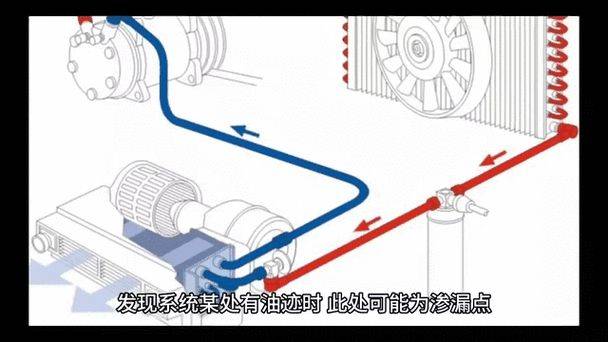
This method is often used to detect leakages in parts such as compressors (with attention to water protection at the end of the line), evaporationers, condensers, etc. This is done by filling the evaporation unit with 0. 8 mpa nitrogen and the condenser with 1. 9 mpa nitrogen (for both heat pump-type air conditioners, the gas should be filled with 1. 9 mp nitrogen), immersing in warm water around 50 degrees, and carefully observing whether a bubble occurs. The use of warm water is intended to reduce the surface tension of the water, since the lower the temperature of the water, the greater the surface tension, the smaller leakage cannot be detected. The leak site should be fully lighted and the water level calm. The observation time should be no less than 30 seconds and the work should preferably be immersed under 20 cm. Welding should be done after drying the leaked components。
Three, charge check
Refrigeration systems, after welding has been repaired, should preferably be filled with 1. 5 mpa nitrogen at close-off hours before filling the refrigerant and shut down the three-way overhaul valves (the valve itself cannot leak). The fact that the pressure did not drop until the next day of work indicates that the restored refrigeration system did not leak. If the pressure drops, it indicates a leak, followed by a soap bubble detection。
4. Hand-to-hand oil spills
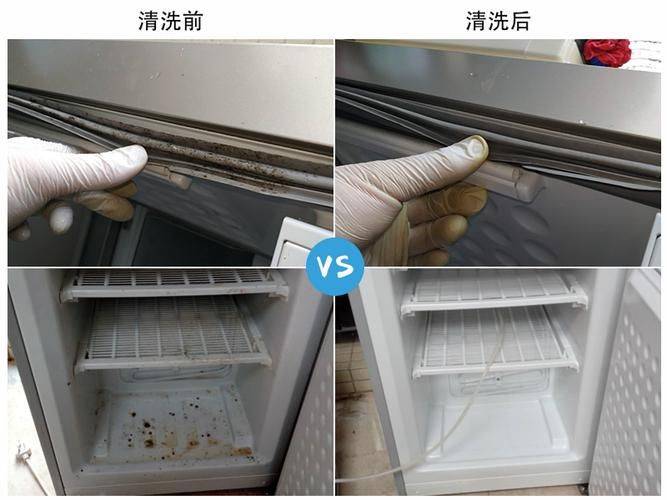
The refrigerants for air conditioners are mostly r22, r22 and refrigerated oils with some degree of solubility, which can seep or drip when r22 leaks. Using this characteristic, the presence of oil contamination can be judged by visual or hand-held means. When leaks are small and touches are not visible with a finger, white gloves or paper can be used to contact suspicious places and leaks can be traced。
5. Gaps in halogen lamps
The fire colour changes from light green to dark green to purple, and seepage from small to severe leakage. (6) an electronic leak detector check. The main areas of the leaks are: compressor sucking, welding of exhaust pipes, evaporationers, small bends of condensers, entry and exit tubes, and welding areas of the bronchials: such as dry filters, cut-off valves, electromagnetic valves, heat expansion valves, distributors, liquid storage tanks, etc. Discrepancies between leakage and congestion: leakage filling, vacuuming, refilling of refrigerants will restore cooling; in the case of congestion, even if fluorinated, air conditioners are not cooled and stress is abnormal。
That's what you've got for the air conditioner cooler system. It's only five o'clock, so you can easily detect how the air conditioner system leaks。