Coaching is a school vehicle designed for driving training. Its core function is to help students acquire basic driving skills while safeguarding safety and norms in the teaching process. Compared to ordinary domestic cars, coaches have a distinctive structure and configuration and are essential tools in driving learning。
In terms of appearance, the most visible sign for a train is the yellow-faced “learning” plate plate, which not only indicates the training use of the vehicle, but also alerts the surrounding vehicles and pedestrians to its special motor status. In addition, a train-of-trainer vehicle is usually marked with the word “train-the-trainer” in a visible position to ensure high visibility on the road。
In terms of security configuration, secondary brake pedals and sub-resight mirrors are standard devices for coach vehicles. The secondary brake pedals are installed in the co-pilot position, controlled by the instructor, and can be quickly intervened in case of a participant's error or sudden danger, effectively avoiding accidents. The deputy mirrors help coaches to fully observe the rear traffic and provide timely guidance. Some of the coaches are also equipped with sub-accelerated pedals and sub-clan pedals to enable coaches to demonstrate the correct operation and enhance the effectiveness of their teaching。
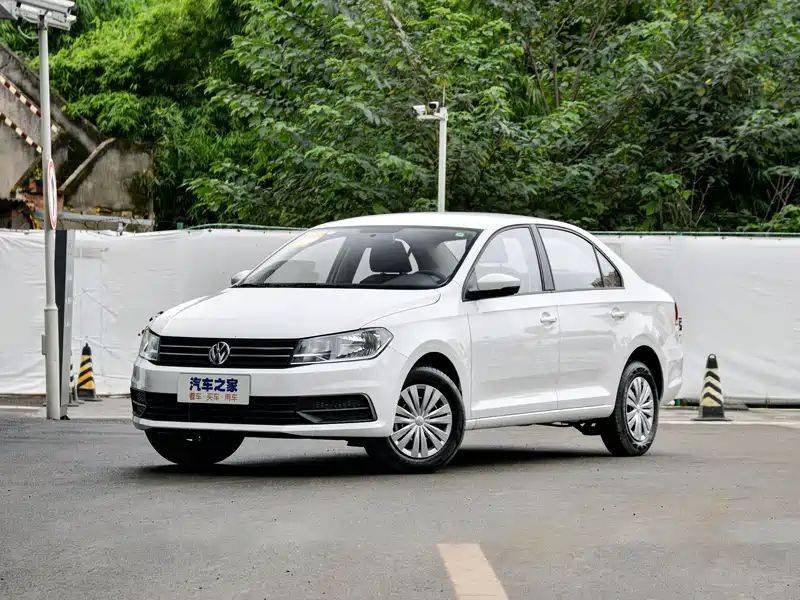
In terms of car selection, the popular santana, jeda, po, etc. Are the main teaching vehicles. These vehicles are simple, controlled and stable, have low maintenance costs, have large market holdings and have easy access to spare parts, and are well suited for new hands to practice basic skills such as disconnect control, switch-over operations and direction coordination. The modest size of the vehicle enables participants to become familiar with the real driving environment without making learning difficult by being too large。
With technological developments, the new energy model has gradually entered the school-driving system. Electric and hybrid vehicles are important carriers for preparing future drivers to adjust to intelligent travel trends because of their responsiveness, low noise and clear operational logic. Some drivers have introduced electric coaches to help trainees familiarize themselves with the driving characteristics of new energy vehicles in advance。
The type of trainee vehicle is also diversified for different categories of driver's licence. Small car training is primarily car-driven, medium bus training is based on the ivico and golden cup models, while large passenger and truck training is provided with specialized vehicles such as chase and east wind. Specialized vehicles, such as fire trucks and ambulance driving training, will also be adapted to ensure the accurate transfer of specialized skills。
The day-to-day management of coaches is equally rigorous and requires regular technical testing and maintenance to ensure that critical components such as brake systems, diversions, light devices, etc. Remain in good condition. Each trainee vehicle maintains a complete technical archive of mileage, maintenance and usage records to ensure school safety and efficiency。
In short, train-the-trainers are not only a platform for mastering driving skills but also an important vehicle for safety education. Its scientific configuration, sound selection and regulatory management together form a solid foundation for a modern driving training system。