Alegrass, also known as artemis, is a multi-year herbs plant. Ella's history of application in our country has been for at least 3,000 years, and the episcopal has written “ai yoo, like three years old”, marking its early integration into the lives of the ancients. The médecinsian lee su-jin not only elaborates on it in "the nautilus, white, 45-foot height." the plant characteristics of a leaf that looks like a chrysanthemum, with thick teeth and white hair on its back, add: “ai, warm and warm, pure and yang, then three vaginas, all wet, ... And cures the hundreds of ills” and lays out its status as a “meal congener”. Qingming willow, at noon, is a traditional custom in china. Every year at the midday festival, people wear it on their bodies or in their rooms to protect themselves from evil and to keep them safe. They also drink ale, bath and eat cake. In addition, herb is best known for its high medicinal value and long history of application, with multiple effects such as resistance to bacteria, inflammation, cold spread and blood cessation。
In recent years, green health-related products have been popular with the general consumer, whose safety and low toxicity characteristics make the application of alegrass promising and of great development value. This paper brings you closer to this magical plant by summarizing the progress of research on weed at home and abroad。
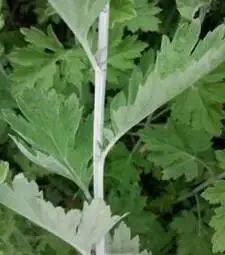
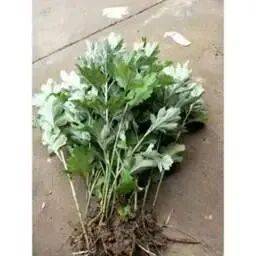
Figure 1 morphological characteristics of the albino (sourced from bean buns)
1 eichmann's efficacy ingredient
According to the extraction method, two forms of extraction can be obtained from algae: concentrate oil and solid powder. The acetate solid extracts consist mainly of mononins, acetone (including cortone, phenol, etc.), acetate compounds (including alpha-polymerene, beta-polymerene, nephrin, etc.), sugar (including glucose, semi-emulsive sugar, etc.) and trace elements (including calcium, magnesium, iron, zinc, etc.). Its functional characteristics can be seen in figure 2, mainly from the following components。
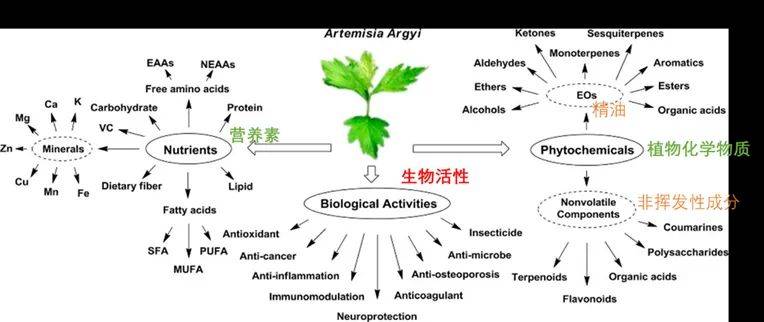
Figure 2
1. 1 eclipse
The apricot oil is a transparent, oily liquid that is separated from the herb leaf and looks yellow or grass green. Pharmacological studies have shown that herbivorous concentrates can be significantly inhibited by destroying the cellular membrane structure of the gelatin positive fungi (e. G., golden fungus), grenella cactus (e. G., coliformella) and fungi (e. G., white pyrocolosis), and that the smallest antibacterial concentration (mic) of golden fungi is as low as 7. 5 mg/l, an antibacterial drug with wide spectrum efficiency. Its specific aromatic gas is derived mainly from volatile compounds such as side ketone and styrofoam, which are often used in aromatic therapy to relieve stress and muscle pain by regulating central nervous system 5-hydroxymethamphetamine receptors。
1. 2 algae sugar
Algae is a natural active substance consisting of glucose (45% - 52%), semi-lactose (18% - 23%) and a small amount of arab sugar, the most important function of which is to regulate the body's immunisation - the activation of megacormic cells, t lymphocytes and participation in immunisation responses. At the same time, there is a significant resistance to oxidation in the case of weeds, with a ddpph free-base clean-up rate of 0. 0552 mg/ml; in the case of blood sugar, weeds with sugar glucose-filled stomach type 2 diabetes model (t2d) mice can significantly restore high blood sugar and high insulin haematemia to normal levels, probably because weeds with sugar inhibit alpha- glucose enzyme activity. Based on these characteristics, weeds and sugars can be widely used in a wide range of fields: as an element of health-care efficacy, enhancing human immunity; as food additives, extending the shelf life of food; as drugs, combating diabetes, cardiovascular disease; and as cosmetics, providing skin wetting, resistance to ultraviolet and slowing skin ageing。
1. 3 alphedrone
Alphetamine (mainly gillin, phenol) has bioactivity, such as oxidation, anti-inflammation, which is more pronounced than algae. Acetone inhibits the nf-100b signal-routing and reduces the synthesis of the inflammatory vector prostates e2 (pge2) and b4 (ltb4). It is therefore of great use both as anti-skin, anti-scabies, anti-sensitization drugs, or as a cosmetic product for daily skin care, slowing ageing。
2. Application value of lilac
2. 1 value of medicines
2. 1. 1 inflammation control
The apricot oil can penetrate bacterial, fungi's cellular membranes, causing cell content to leak and inhibit bacterial proliferation. In vitro experiments on golden fungus, coli and white pyrophilus showed (figure 3) that the addition of corrosive liquids to the alegrass destroyed the whole form of the fungus and that cell deformation indicated a significant decrease in the survival of the alegras oil. The acetone composition (e. G., phenol, phenol) and tritylene compounds are the main anti-inflammation active substances that avoid the inflammation response by inhibiting over-activated immunocellular cells (e. G., megacormic cells). The mechanisms used by chinese doctors for the treatment of rashes and scabies are highly compatible with modern research on “inflammation control”。
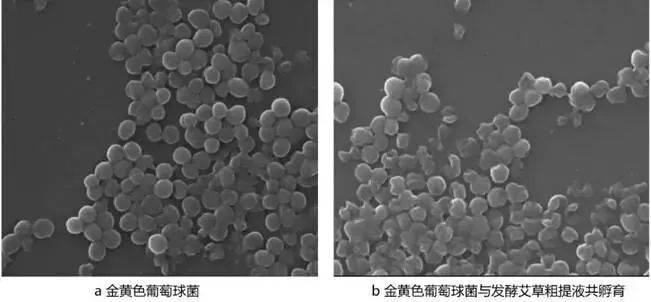
Figure 3 effects of fermented apricot acid on golden pluccus
(note: zoom in with 12,000 x acceleration voltage 15. 00 kv)
2. 1. 2 improved immune function
The main immuno-enhanced ingredient is the lactose. Activate immunocells and enhance the ability of organisms to “identify and remove” pathogens. Capable foods, such as capsules, tablets, etc., are made of acetylene extracts (e. G., acetone, sugar) as the main ingredient, increasing human resistance to oxidation and immune regulation。
2. 1. 3 fisting cold humidity
Acupuncture, weed showers, etc. Are traditional chinese medicine based on the presence of herb oil components (side ketone, nephrins) through skin penetration, combined with thermal effects, to stimulate caves, promote local blood circulation, and achieve warm cold spread, humid itching and live blood circulation. There are also external products, such as apricot oil, massage oil, heat dressing, etc。
2. 2 value of consumption
Although weeds do not become regular visitors to the table because of their unique aroma and bitter tastes, they carry the platitudes of growth at the midday hour in many places in the south. Fresh alegrass is treated with water, soak, so as to remove bitterness (irritating oils), so that it becomes muddled, collide with the rice powder and make it into snacks, such as acupuncture and acupuncture, and become a cultural vehicle connecting the aroma and taste. From a nutritional point of view, alpaca contains vitamin a, b vitamins and minerals such as calcium and iron, and its abundance of dietary fibres promotes intestinal creeping. In the chinese doctor's “medicine congener” concept, the warmness of the herb makes it available in therapeutic feeding to help warm the cold and fit the cold。
2. 3 applied research in recent years
2. 3. 1 use as animal feed
Alegrass products (or pures) as feed additives to animals can improve the intestinal mass structure - 2 per cent added to meat chicken feed, 10 times more aigra extracts, and stabilize intestinal microecologicals; 1. 5 per cent of ale leaf powder added to feed, partially replacing feed antibiotics, reducing respiratory diseases in pigs and 4. 66 per cent diarrhoea, respectively. In the context of the search for green and “restricted” feed in the feed industry, there is a wide range of prospects for the application of algae and its extracts。
2. 3. 2 for medical products
Using the wide spectrum of apricotism, chen and others compound the alegrass extracts with cortex caco3 by adding medical gloves to natural emulsions, in direct contact with skin mucous membranes, in order to kill bacteria or fungi and prevent infection; guo and others, in response to the volatilization and hydrophobicity of alegrass oil, burying them in aqueous gels, and producing medical dressings that show good antibacterial effects for golden grapes and coliform (inpression rates of 88. 56 per cent and 85. 17 per cent, respectively) to effectively contain injury infections。
3 concluding remarks and outlook
The efficacy of algae is the result of a combination of its components (precision oils, butter, ketchup, sugar, dietary fibres, etc.), and modern research provides part of the scientific basis for its traditional applications. However, clinical transformations such as anti-inflammation, immuno-modification and improvement of intestinal strains still need to break through bottlenecks such as composition standardization and safety certification. The future needs to be combined with traditional chinese medicine theory and modern pharmacological techniques to facilitate the transformation of aquatic herb from “civil medicine” to “normative medicinal resources” for the precise development of its values。