Introduction
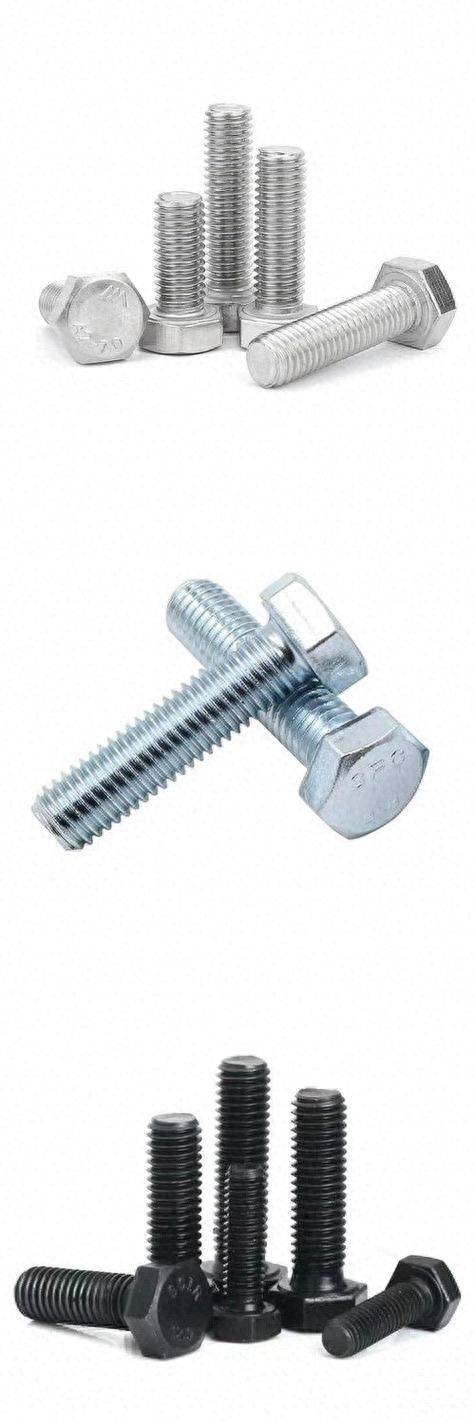
In the area of industrial manufacturing and infrastructure development, the corrosive nature of metal materials directly affects the safety and useful life of structures. Thermally plating zinc bolts are used widely in such scenarios as bridges, electrical towers, building steel structures, as a fast fix that combines high intensity and corrosive properties. It forms a dense zinc layer on the bolt surface through the thermal impregnation process, effectively isolating the moisture and oxygen from the environment and significantly extending its useful life. The core values of the plywood bolts will be fully analysed from the dimensions of technology principles, performance parameters, application scenarios and industry trends。
I. Basic concepts and characteristics
1. 1 thermal zinc plating process
Hot dip galvanizing is a layer of pre-treatment bolts that are immersed in a melted zinc liquid (at a temperature of about 450°c) to generate multi-layered zinc on the bolt surface through the formation of a metal-zinc metal compound. The response process was divided into three steps:
- surface purification: removal of impurities such as oxidation, oil pollution through acid washing to ensure that zinc fluids are in direct contact with the base。
- melting immersion: when bolts are dipped into zinc liquids, iron and zinc are diffused to form the fe-zn alloy layer (including busy phase, gill phase, gill phase)。
- refrigeration solidification: the zinc layer cools with bolts and condensates, and the surface forms pure zinc layer (synthesis) to provide protection at the sacrifice of the anode。
1. 2 core properties of thermal zinc bolts
- corrosivability: the thickness of the zinc layer is typically 50-100 m, 5-10 times the amount of zinc plating, with a life of 20-50 years in the marine or industrial atmosphere。
- mechanical performance: the zinc plating process has no significant impact on the strength of the bolt matrix and maintains high tensile strength (e. G., 8. 8, 10. 9)。
- self-rehabilitation capacity: when the zinc layer is broken, the zinc surrounding it is prioritized to oxidize, form a protective film and slow down the erosion expansion。
- environmental: zinc is recyclable metal and the zinc plating process is free of metal contamination, consistent with green manufacturing trends。
Key performance parameters
2. 1 plating quality indicators
- thickness: according to astm a153, bolt plating is classified into three levels (g60, g90, g140), corresponding to different corrosive environmental needs. For example, g90-class plating (90 μm) applies to coastal or highly contaminated areas。
- strength: validation through bending (later 180° and no striping) and plating (stripping without zinc)。
- evenness: magnetic thickness gauges are used to detect the thickness of the plating of the various plating of the bolts, with deviations to be contained within ±10%。
2. 2 mechanical performance parameters
- tensile strength: the tensile strength of the heat-filled zinc bolt shall meet the gb/t 3098. 1 standard, e. G. The minimum tensile strength of the 8. 8 bolt is 800 mpa。
- rotation coefficient: the roughness of the zinc-plating surface affects friction coefficients, which are to be tested to determine the tight twister to avoid overloading or loosening。
- hydrogen flaring sensitivity: acid washing may introduce hydrogen atoms and the risk of hydrogen flaring needs to be reduced by dehydrogenization (180-220°c at 2-4 hours)。
Analysis of common problems and strategies for their resolution
3. 1 fragmentation
Reason:
- the base surface is not completely clean and there is residual oil contamination or oxidizing skin。
- the low temperature of zinc liquids or insufficient plating time leads to poor alloy formation。
- the bolt and zinc liquid react too strongly to produce gas holes or defusing structures。
Solutions:
- optimizing pre-treatment processes to improve surface cleanliness using spray or electrolyte cleaning。
- control of zinc fluid temperature at 440-460°c and adjustment of the plating time to the bolt diameter (3-5 minutes for example for m20 bolts)。
- the addition of alloying elements, such as aluminium and nickel, to improve the flow of zinc liquids and reduce gas holes。
3. 2 oversized
Reason:
- the thickening of zinc layers after zinc plating increases the bolt diameter, which may affect the assembly gap。
- the accumulation of plating layers in the head of bolts or threads, which triggers exceedingly different sizes。
Solutions:
- retention of zinc plating during the design phase (e. G. Screwdriver spread relaxing 0. 1-0. 2 mm)。
- removal of excess zinc liquid from threaded parts by centrifugal zinc process or restoration of size through mechanical processing。
3. 3 hydrogen fracking
Reason:
- hydrogen atoms seep into the base during acid wash-up, which triggers a ripple fracture at stress concentrations。
- high-strength bolts (e. G., class 10. 9) are more sensitive to hydrogen flaring。
Solutions:
- choosing low-hydrogen acid washing and strictly controlling acid washing times (10 minutes)。
- the extraction of hydrogen immediately after zinc plating and the elimination of residual stress。
- alternative processes such as dacro (without chromium coating) for key bit bolts。
Iv. Guidance for safe use and operation
4. 1 storage and transport requirements
- zinc plating bolts should be stored in dry, ventilated warehouses to avoid contact with corrosive substances such as acid, alkalis, etc。
- tide-proof packaging during transport to prevent rain showers or condensed water from causing zinc layer rust (zinc oxide)。
4. 2 installation due diligence
- cleaning of interfaces prior to securing, avoiding impurities embedding leading to electrochemical corrosion。
- select the right hard-to-twirl rectangles based on the twirl coefficient table to avoid excessive tightening。
- >150°c in a high temperature environment needs to assess the stability of the zinc layer and, if necessary, introduce high temperature resistant coatings。
4. 3 maintenance and testing
- periodic inspection of bolt links and timely replacement of zinc layers when they are found to be broken or rusty。
- the thickness of the plating layer is monitored with an ultrasound thickness gauge, which is filled or replaced when below standard values。
V. Outlook for application in different industries
5. 1 construction of steel structures
Thermal zinc bolts are the core parts of steel structures that are connected, and their corrosive resistance reduces maintenance costs. For example, in high-level buildings, zinc bolts are used to connect beam nodes to ensure long-term stability of structures in a damp environment. In the future, the demand for high-intensity zinc bolts will grow further as modular buildings develop。
5. 2 in the area of energy infrastructure
In the area of new energy sources such as wind power, photovoltaics and so on, thermally plating zinc bolts are used to fix parts such as towers and support shelves. For example, wind towers at sea are subject to salt fog corrosion, with zinc bolts having a life of more than 30 years. As wind at sea expands to a far-reaching sea level, the durability and reliability of zinc bolts are more demanding。
5. 3 in the field of transport engineering
In rail orbits, bridges, etc., zinc bolts are used to connect parts such as steel tracks, fences, etc. For example, high iron orbits use high-intensity zinc bolts to ensure structural security when trains operate at high speed. In the future, the development of intelligent transport systems will drive the upgrading of zinc bolts to light quantification and high accuracy。
5. 4 trends in environmental and sustainable development
Environmental improvements in the thermal zinc plating process have become the focus of global attention to carbon emissions. For example, technologies such as lead-free zinc liquids and recovery of zinc ash can reduce environmental impacts. In addition, complex applications of bio-based coatings and zinc plating are expected to further enhance corrosive and ecological compatibility of bolts。
Concluding remarks
Thermally plating zinc bolts have become indispensable building blocks in the industrial sphere, based on their superior corrosive and mechanical properties. From the principles of technology to the application practices, it has been developed around the three main objectives of increasing longevity, reducing costs and adapting to complex environments. In the future, with advances in materials science and manufacturing processes, thermal zinc bolts will be of greater value in such areas as green buildings, new energy sources and intelligent transport, providing reliable guarantees for global infrastructure development。