On 17 october, the sichuan thematic interview of the “quality development research bank” visited the village of kim zhou-song in quancheng county, uijiang city, where journalists walked into the orangeburg fish village integration development model park to learn about the current situation of blood oranges and to explore the path of oranges。
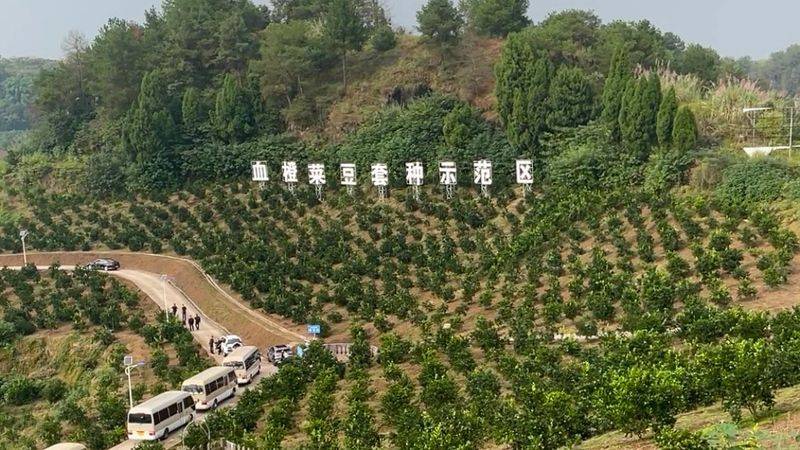
The village is a model village for the revitalization of villages in quanchong county, located at the heart of the national agricultural science and technology park, and with the help of the east wind of the agricultural science and technology park, which has made great efforts to develop rural industries, creating china's first orange fort fish village integration development model。
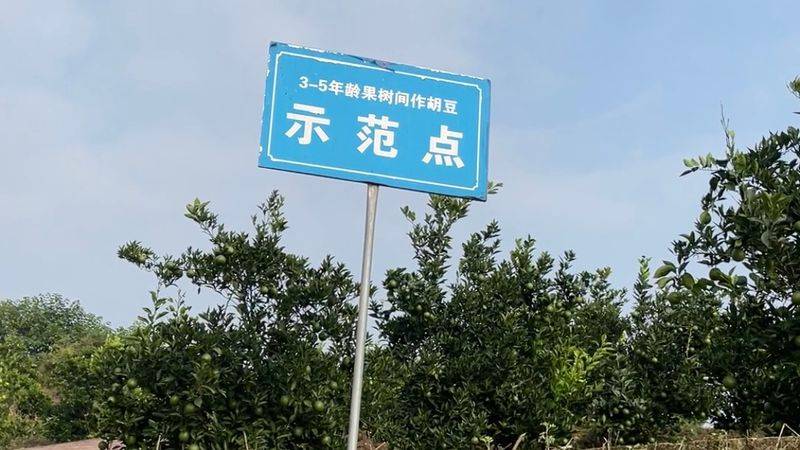
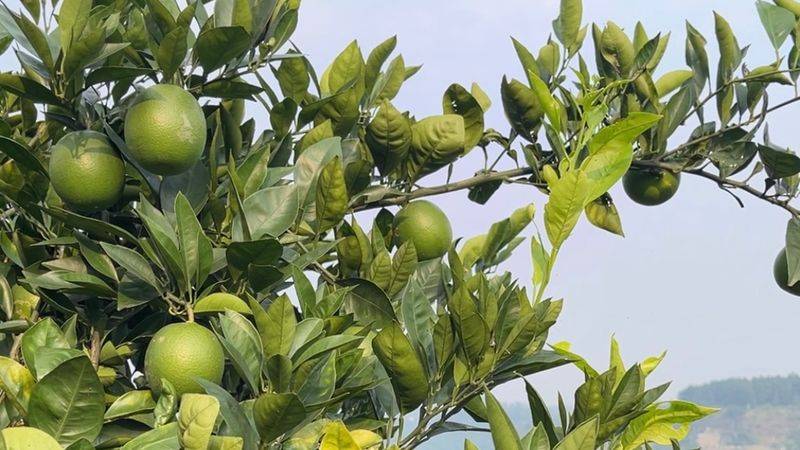
“most of the blood oranges we see now are green, about three months from maturity.” in december of each year, after a professional test, the local authorities will issue a unified pick-up time for blood oranges from the capital, “which will begin to be collected in mid-january of the year, when the county as a whole will come to the market on a large scale”
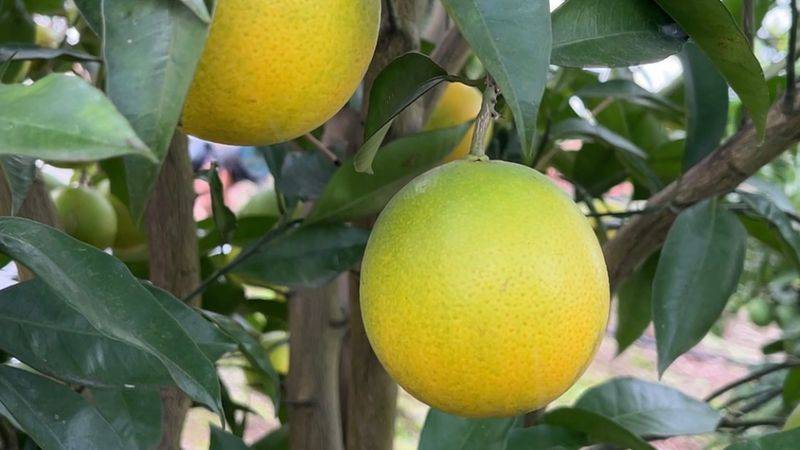
"look at this, it's big!" in the journalists' footage, round oranges are a little yellow in the sun. In the snorts, you can smell the fruits。
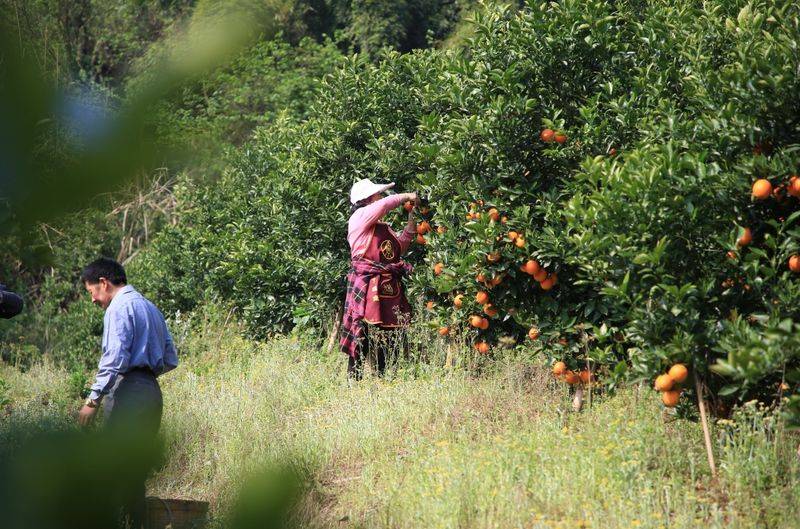
It is known that the development of more than 2,000 acres of blood orange in the golden purple village, with an annual production value of approximately 40 million yuan, brings the annual income of the village's collective economy to 200,000 yuan and per capita income to 26,000 yuan, bringing about a transformation from traditional to modern agriculture. And it's thanks to the village's specialty industry, the fruit fish recycling industry。
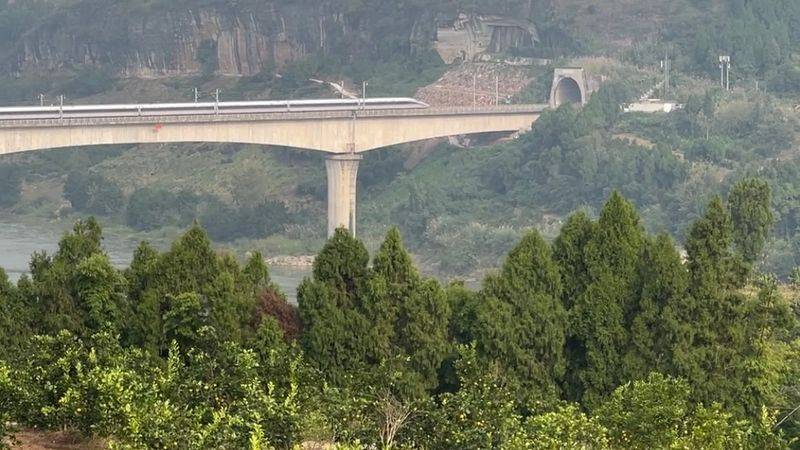
The fruit fish cycling industry is characterized by farming, combined with blood orange cultivation, the promotion of new technologies based on high pool farming and glass and steel farming, aquaculture, such as catfish and mackerel farming, the full collection of waste from aquaculture, such as baits and faeces, which are used for organic fattening of the haematous fruit tree, the formation of a green green development model for the “fish-goose” cycle, with the total area covered by the industry being 2,000 acres, with a typical aquaculture of 500 acres with an annual value of between 60 and 80 million yuan。
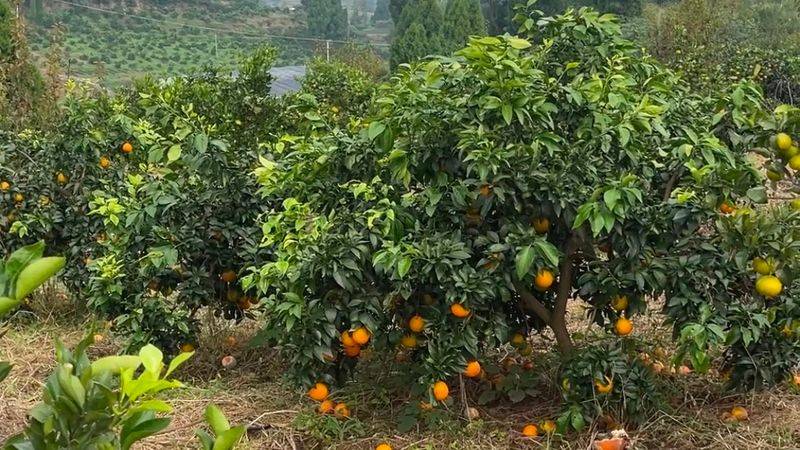
What about this year's production of blood orange? According to ry yonghui, due to this year's high rainfall and climate suitability, combined with the local launch of the “four packages one” technical service teams covering 22 townships in the county, the promotion of techniques for standardized blood orange cultivation, and the improvement in farmer farming techniques, “we expect that this year's production will be better than last year's after a preliminary assessment of each park”