In recent years, the sankoh county has built on the advantage of niche agricultural resources, supported by leading firms, full-scale technical services, and guaranteed bottom-up purchases, and has continued to make large-scale chili production. Through standardized planting, chain-wide empowerment and scale development, small peppers gradually develop into “rich peppers” that boost people's incomes and boost rural development and inject strong industrial energy into rural revitalization throughout the county。
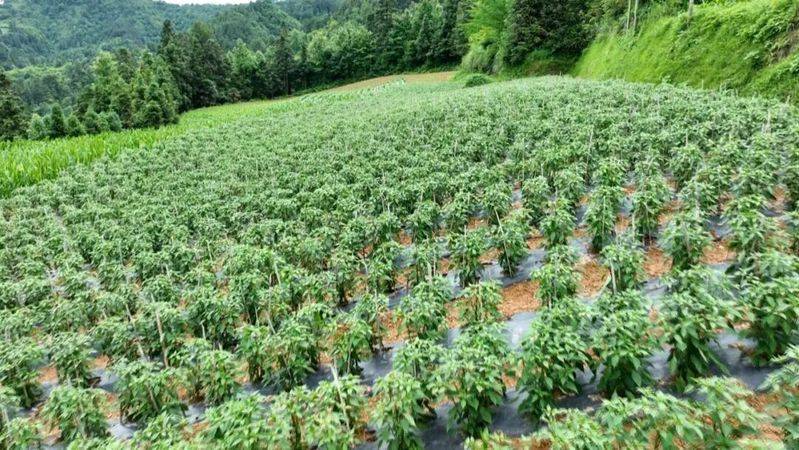
At present, at a time when the critical life cycle of pepper seedlings is long, temperature fluctuations and pest invasions are highly likely to affect chili growth and production. In order to build a solid basis for harvest, in the village of pengya in kirintown, hueja food co. Ltd., guizhou, specialized agricultural technicians have been able to reach out to the field, conduct mentoring and mentoring, teach farmers about core techniques such as bouquets, green control of pests and diseases, and management of water fertilizers in the field, and direct farmers to implement standardized care measures to ensure the healthy growth of peppers。
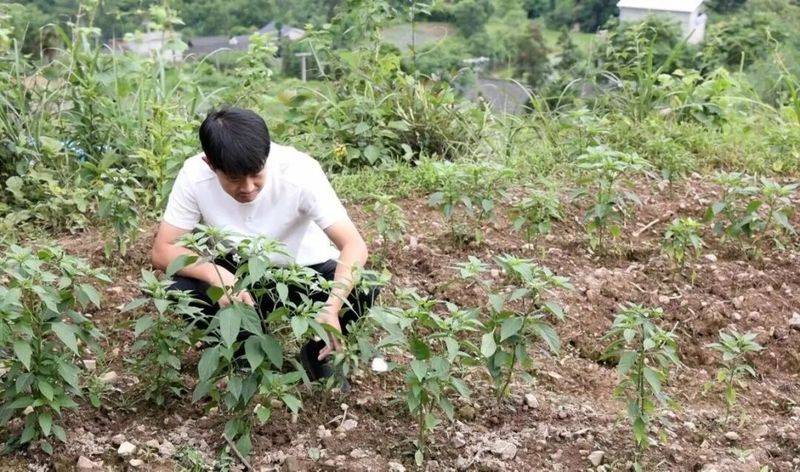
“we follow up all the aspects of pepper cultivation throughout the process and direct farmers to perform field care in strict compliance with standardized procedures. In the meantime, there is a price-fixing, bottom-buying model whereby mature peppers are collected in one place and recovered in the home, with specialized technology to protect chili and to improve the quality so as to ease farmers' cultivation concerns through stable marketing.” wang lin, technical director, weiga food co. Ltd., guizhou, described the situation。
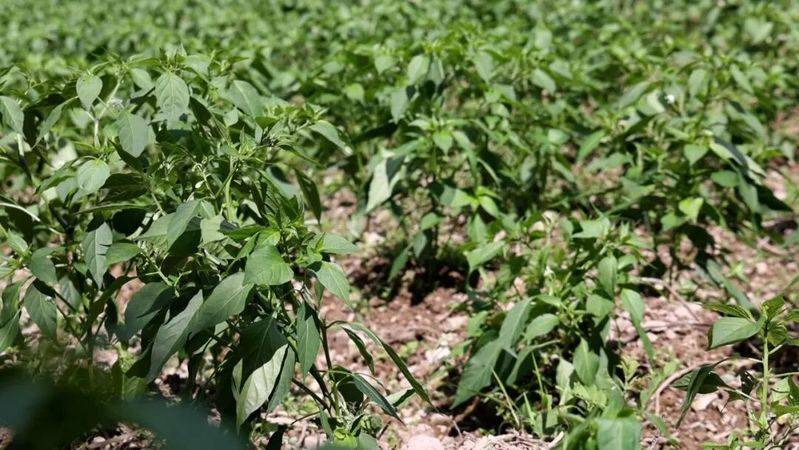
It is known that previously the production of chili in the village of yapang, which is dominated by scattered cultivation, was characterized by uneven cultivation techniques and irregular care, resulting in low production, unstable quality and limited industrial development. In an effort to break down the pains and difficulties of farming, the village combines the downfall technology services of agricultural enterprises, ranging from seedling cultivation, field management to mature harvests, providing specialized guidance throughout the process to improve the quality and production of pepper cultivation from the source。
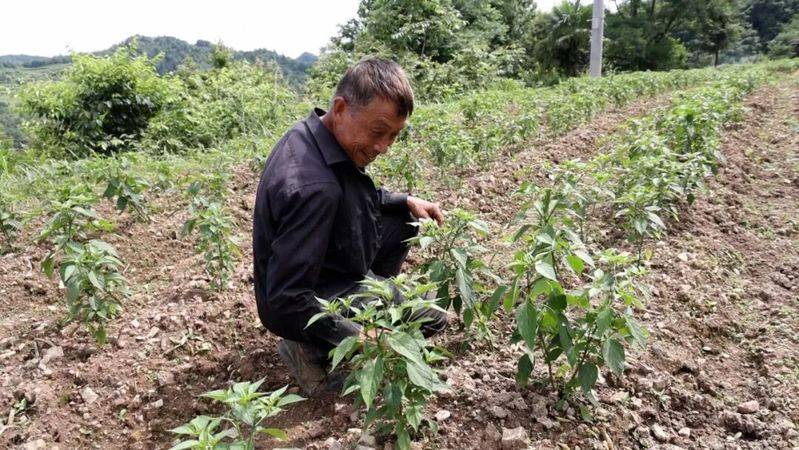
Policy support, technical escorts and all-round guarantees for the elimination of roads have greatly mobilized the local population to grow. “i planted four acres of pepper this year, the government gave free fertilizer, pepper seed, and technicians regularly followed up at home, and when the business matured, it went straight to the door to recycle it, sold it completely, and planted it with a special comfort.” liu zai xinhye, a grower in the village of yanylin, said:。
At present, the sankoh county has set up a mechanism for linking the interests of “enterprises + cooperatives + farmers”, with the growing production of chili in towns and villages, the expansion of standardized production technologies and the steady increase in the level of development of the chili industry。
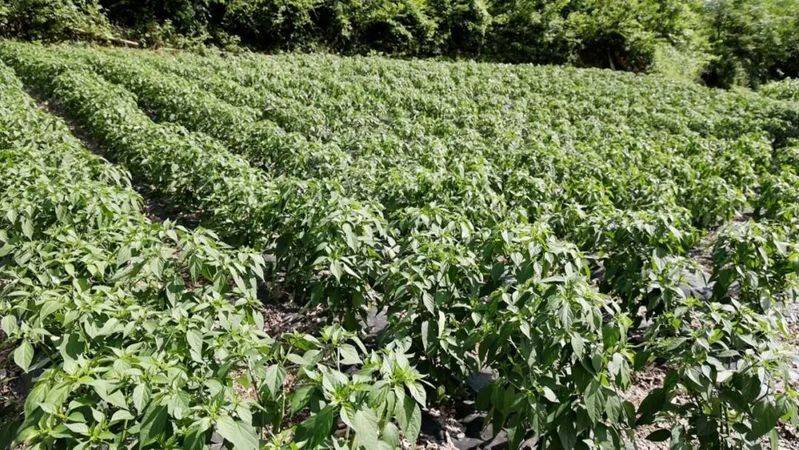
“this year, over 7,000 acres of chili were grown throughout the county, boosting the participation of more than 8,000 farmers. At this stage, the district-wide pepper industry has formed a complete industrial chain of seedlings, standardized planting, precision processing, and market integration. As a next step, the sankoh canton will continuously complete the industrial chain, improve the industry mix, increase the value added of the industry, expand the channels for steady growth and increase the population's income, and make every effort to promote the growth of peppers as a major source of rural renewal.” li ku yong, member of the party group of the sankoh county agricultural rural bureau and director of the agricultural development centre, said that。
Reporter at the miho media centre: ren shengyan