In order to ensure steady growth of beet production throughout the year, the department of plantation management of the ministry of agriculture and rural affairs, together with experts from the national centre for agricultural technology promotion and the sugar expert steering group of the ministry of agriculture and rural development, has developed technical guidance for the production of beet production in 2024, based on the characteristics and climatic conditions of production in different beet areas。
I. Preparation for broadcasting
(i) land selection. (b) avoid, as much as possible, resonance with the remaining fields of maize and soybean herbicide, which are fine, broken, flat, clean, clean and clean。
(ii) varieties selection. In the north-west, preference is given to high sugar-type varieties, and in north-east china, to fertile varieties that are resistant to brunette and root-resistant。
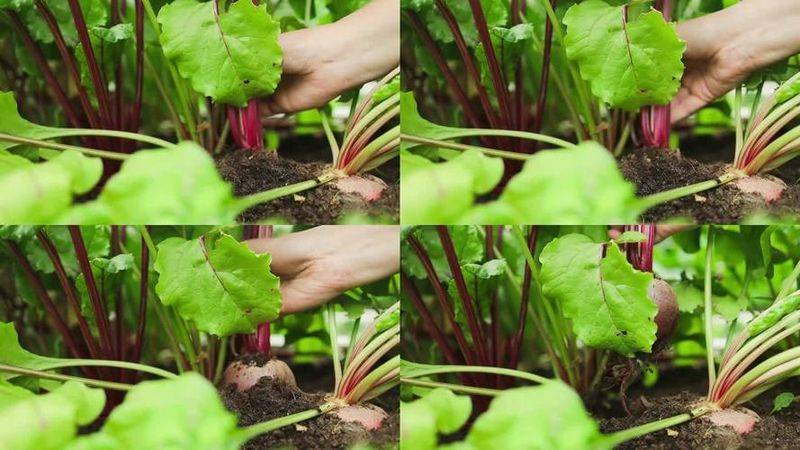
(iii) fertilizer application. Insecticides such as thorium granules or platinum glyphs, which are normally applied to beetries for 50-60 kg per acre, are applied evenly with fertilizers to prevent underground pests such as thorium。
(iv) soil closure. Herbicides such as precision alachlor, iso-alachlor and benzophetamine were selected for 1 to 2 days before the seeding and the soil was closed in the quantities described。
Ii. Requiring
(i) mechanical live broadcasting. The north-west sector generally started planting in late march, north-east china and north-east china around mid-april. In the spring, the 5 cm temperature of the 5 cm surface can be stabilized at more than 5°c in a timely manner. It is appropriate to sow 7,000-8000 dens, 2-3 cm deep, not too deep. The seeding was followed by drip irrigation of 20-30 cubic metres per acre. In case of high winds and temperatures, a drop may be made. Under-drive planting is followed by field seedlings and seedlings to prevent their burning. Low-temperature plots ensure whole seedlings through timely recharge of water, including by increasing drip irrigation or mobile spraying equipment. The average acre is about 6,000。
(ii) paper cannery
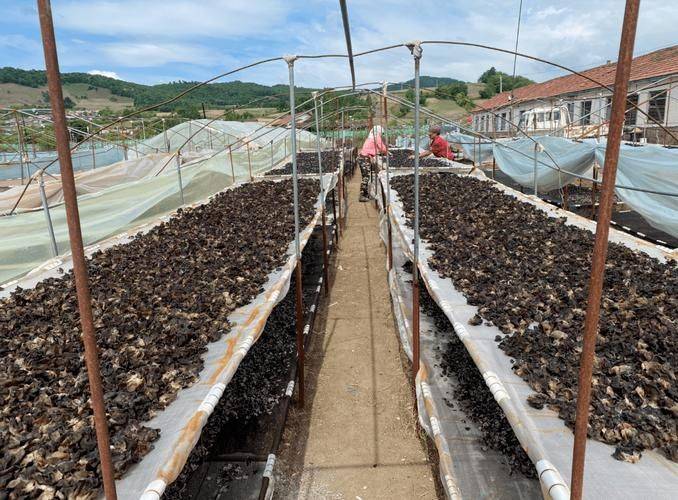
1. Preparation of seedbeds. (d) the choice of areas with a backwind, high terrain, flat ground and well-drained areas as seeding grounds for plastic sheds. Obsessed topsoil, which has not grown beet for more than five years, has been selected as a breeding soil, with a ban on saline soil, clay, soil, sand and residual soil with herbicide. The soil of the seedlings, 300 kg plus 2 kg, is composted equally, the mats of the seedlings are higher than 10 cm above the ground, and are flat and solid, and the “underground or semi-underground beds” are used to breed。
Nursery management. During the planting period, from late march to early april, the temperature in the shed remained at 25°c-30°c during the day and above 10°c at night. Temperature is to be controlled to prevent adhesive disease in the seed age. Slender beds can be used to spray and treat adhesive diseases such as bi-humid powder. Seven days after planting, beets grow to spray beet sprouts after a pair of real leaves to prevent the growth。
3. Deplantation. The seedlings can be moved for 30 to 35 days, before they are replanted, so that the seedling beds are sufficiently watery to be easily separated from the paper drums. Post-plantation drops of seed water in time for irrigation of 20-30 cubic metres/acre. The average acre is about 6,000。
Iii. Strengthening
The beet is grown up to six to eight leaves with a mechanical ploughing of 1-2 times, followed by an fertilization of eight leaves and a rapid seal. Based on weed conditions and beet age, weeds undergo two to three low-dose chemical weedings before the 3-4 leaf period, after which weeds need to be removed manually in a timely manner. Herbal herbicides are commonly used in euphoria, euphoria and dichloride。
Iv. Pest and pest control

(i) disease prevention and treatment. The main disease during the shrunk period is amputee disease, which can be treated by use instruction spray, with submural dripping being administered with water. After beet seals, care is taken over the occurrence of lignite, with the option of spray control using an instructional description of the use of ether acetylene, triphenylacetic acid and polybactrin。
(ii) pest control. The main pests in the seed age range are beet ale, thorium, terratic tigers, etc., which are treated with the combination of organic aluminum and permethrin. Underground pests, such as guillotines and tigers, can be combated with specialized agents for spray and directed rooting, and tigers can also use bait for inter-walk control。
Source: ministry of agriculture and rural development, growing management division, national agricultural technology extension service